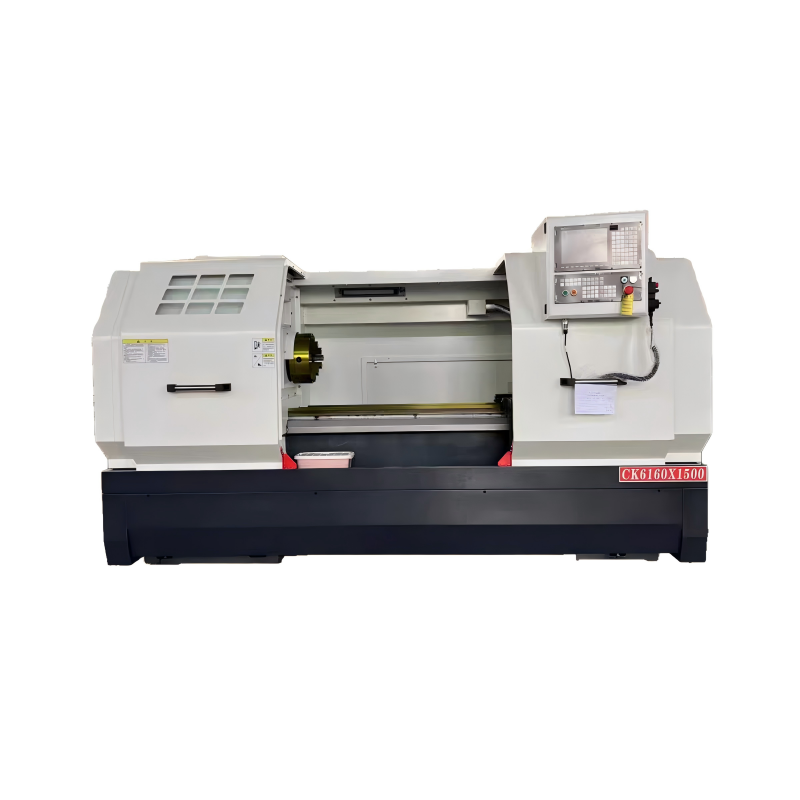
Choosing the right manual lathe machine for your needs can be a daunting task, especially considering the wide range of options available in the market. This guide is designed to help you navigate through the selection process, ensuring that you make an informed decision that aligns with your specific requirements and budget. We will explore several key factors to consider, including the type of work you plan to do, the size and capacity of the machine, and the overall quality and durability.
The first step in selecting the appropriate manual lathe machine is to have a clear understanding of your project requirements. This includes the types of materials you will be working with, the dimensions of the parts you need to produce, and the level of precision required. For instance, if you are primarily working with soft metals like aluminum or brass, a smaller, more basic lathe may suffice. However, if you are dealing with harder materials such as steel or stainless steel, a more robust and powerful machine would be necessary.
Additionally, consider the complexity of the tasks you will be performing. If you need to perform intricate turning, threading, or facing operations, a lathe with more advanced features and capabilities will be essential. Conversely, if your work is relatively simple, a basic model may be sufficient.
The size and capacity of the manual lathe machine are critical factors to consider. The size of the lathe is typically defined by its swing over bed (the maximum diameter of the workpiece it can handle) and the distance between centers (the maximum length of the workpiece it can accommodate). These dimensions will determine the range of projects you can undertake with the machine.
For example, if you are working on small, precise components, a mini lathe with a swing of 7 inches and a distance between centers of 12-14 inches might be suitable. On the other hand, if you need to work on larger parts, a full-sized lathe with a swing of 10-12 inches and a distance between centers of 30-40 inches would be more appropriate.
It's also important to consider the weight and power of the machine. A heavier lathe will generally be more stable and capable of handling larger and more demanding jobs. The motor power, measured in horsepower (HP), should be sufficient to drive the lathe effectively without overheating or stalling, especially when working with harder materials.
The quality and durability of the manual lathe machine are crucial for ensuring long-term performance and reliability. Look for machines made from high-quality materials, such as cast iron, which provide excellent stability and vibration damping. The construction should be robust, with well-machined and precisely aligned components to ensure accurate and consistent results.
Pay attention to the quality of the bed, headstock, tailstock, and carriage. The bed should be straight and rigid, while the headstock and tailstock should be sturdy and easy to adjust. The carriage should move smoothly along the ways, and the cross-slide and compound rest should be precise and reliable.
Another important aspect is the quality of the bearings and gears. High-quality bearings and gears will reduce wear and tear, leading to a longer lifespan for the machine. Additionally, check for the presence of protective features such as emergency stop buttons, safety guards, and proper lubrication systems to ensure safe operation.
Beyond the basic specifications, there are several additional features and accessories that can enhance the functionality and versatility of your manual lathe machine. Some of these include:
These additional features can add significant value to your manual lathe machine, but they may also increase the cost. Therefore, it's important to balance your needs and budget when deciding which features to prioritize.
Selecting the right manual lathe machine requires careful consideration of your project requirements, the size and capacity of the machine, and the overall quality and durability. By understanding these key factors and evaluating the available options, you can make an informed decision that meets your specific needs and ensures long-term satisfaction. Remember to also consider any additional features and accessories that can enhance the functionality and versatility of your lathe, and always prioritize safety and reliability in your selection process.
 30/06/2026
A manual lathe machine is a versatile tool that has been a cornerstone in the field of machining for centuries. It allows operators to perform a wide range of operations, from simple turning and facing to more complex tasks like threading and tapering. Th
Read More29/06/2026While the Manual Lathe Machine has been a cornerstone in the machining industry for many years, the evolution of technology has brought about significant advancements, particularly with the introduction of CNC (Computer Numerical Control) machines. One su
Read More29/06/2026Mastering the art of operating a Manual Lathe Machine is a journey that transforms novices into experts. This technical report aims to guide individuals through this learning curve, providing insights and practical advice for those looking to enhance thei
Read More28/06/2026A manual lathe machine is a versatile tool that can significantly enhance the capabilities of any workshop. This article will explore how incorporating a reliable manual lathe into your workspace can improve productivity, precision, and overall efficiency
Read More27/06/2026Manual lathe machines are fundamental tools in the manufacturing and machining industry, offering precision and versatility to a wide range of applications. For beginners, mastering the use of a manual lathe machine can be both challenging and rewarding.
Read More27/06/2026The manual lathe machine, a cornerstone of manufacturing and engineering, has long been recognized for its versatility and precision. This technical report delves into the ways in which a manual lathe machine can unleash creativity, offering insights into
Read More27/06/2026Despite the rapid advancement of automation and computer-aided manufacturing (CAM) technologies, manual lathe machines continue to play a vital role in modern manufacturing. These versatile tools, which have been around for centuries, offer unique advanta
Read More26/06/2026Manual lathe machines have long been a cornerstone in the world of manufacturing, offering unparalleled precision and control to craftsmen. This report delves into the intricate details of manual lathe machining, exploring its historical significance, ope
Read More26/06/2026Manual lathe machines, despite the advent of automated and computerized alternatives, continue to play a vital role in various industries due to their versatility and the level of craftsmanship they enable. This report delves into the significance of manu
Read More26/06/2026Understanding the intricacies of maintaining a Manual Lathe Machine is essential for anyone working in machining, from hobbyists to professional engineers. Proper maintenance not only extends the lifespan of the equipment but also ensures its consistent p
Read More25/06/2026The manual lathe machine, a cornerstone of machining technology, has been an essential tool in the manufacturing industry for centuries. Despite the rise of CNC (Computer Numerical Control) machines, mastering the art of operating a manual lathe remains a
Read More25/06/2026Understanding the Basics of Manual Lathe Machine OperationsThe manual lathe machine is a versatile tool in the manufacturing and engineering industry, used for creating cylindrical parts with high precision. Before delving into techniques that can enhance
Read More25/06/2026Since the dawn of the Industrial Revolution, manual lathe machines have played a crucial role in shaping the world as we know it. These versatile tools, capable of turning raw materials into precision components, continue to hold a special place in both h
Read More24/06/2026Manual Lathe Machines, despite being one of the oldest types of machine tools, continue to hold a significant place in modern workshops. This report aims to explore the enduring charm and functionality of manual lathes, highlighting their unique advantage
Read More24/06/2026In an era dominated by automation and digital technology, the traditional manual lathe machine continues to hold a significant place in the manufacturing industry. This tool, while seemingly simple, requires a high degree of skill and precision from its o
Read More24/06/2026The manual lathe machine, a tool that has been around for centuries, continues to play an essential role in the manufacturing and prototyping industries. This versatile piece of equipment allows for the creation of complex shapes and parts with high preci
Read More23/06/2026In the realm of precision machining, few tools hold as much significance as the manual lathe machine. This versatile piece of equipment has been a cornerstone in manufacturing and engineering for centuries, enabling craftsmen and engineers to produce intr
Read More23/06/2026Mastering the manual lathe machine is a fundamental skill for anyone involved in manufacturing or machining. This versatile tool, known as the manual lathe machine, has been at the heart of precision engineering for centuries. In this technical report, we
Read More23/06/2026The art of precision in manual lathe machining is a testament to the enduring relevance of traditional manufacturing techniques, even in an era dominated by automation and digitalization. This report delves into the intricacies of manual lathe operations,
Read MoreOur professional sales team is always ready to assist you.