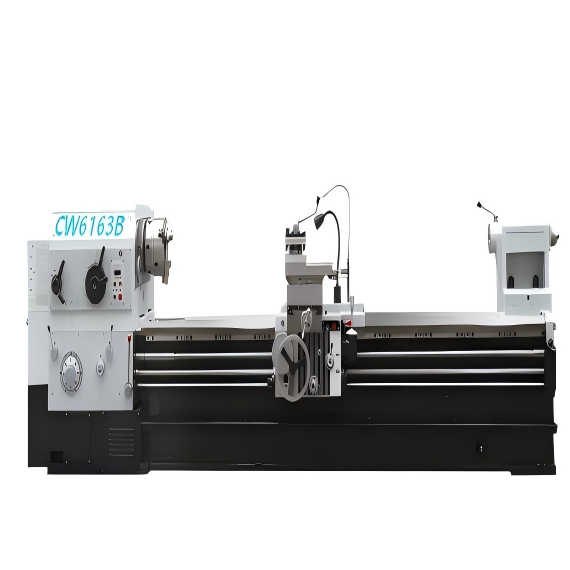
In the realm of precision machining, setting up a conventional lathe correctly is fundamental to achieving high-quality results, especially when dealing with long shafts. The process requires careful planning and attention to detail to ensure that the final product meets all necessary specifications. One key aspect of this setup involves understanding the specific requirements of the job at hand, including the material type, dimensions, and tolerances. By taking these factors into account, machinists can optimize their lathe's performance, thereby enhancing both efficiency and accuracy. It's also crucial to consider the limitations of the Conventional lathe for long shaft, as these machines may not be equipped with features found in more advanced models, such as live tooling or CNC capabilities. Therefore, making the most out of what is available becomes essential.
The selection of appropriate tools and accessories plays a pivotal role in the success of any machining operation, particularly when it comes to working with long shafts on a conventional lathe. For optimal performance, one must choose cutting tools that are not only suitable for the material being worked on but also capable of maintaining their sharpness over extended periods. High-speed steel (HSS) and carbide-tipped tools are commonly used due to their durability and ability to withstand high temperatures. Additionally, employing steady rests and following rests can significantly improve stability during the machining process, which is vital for maintaining dimensional accuracy across the length of the shaft. These devices support the workpiece at various points, reducing deflection and vibration, thus ensuring a smoother surface finish and tighter tolerance control. Furthermore, the use of coolant systems should not be overlooked, as they help in dissipating heat generated by the cutting action, prolonging tool life, and improving overall machining quality.
To achieve maximum efficiency and accuracy while machining long shafts, it’s imperative to fine-tune your conventional lathe settings. This includes adjusting the speed, feed rate, and depth of cut according to the specific characteristics of the workpiece. For instance, softer materials generally require higher speeds and feeds compared to harder ones. However, caution must be exercised to avoid excessive heat buildup, which could lead to thermal deformation or damage to the tool. Another critical factor is the alignment of the headstock and tailstock. Ensuring that both components are perfectly aligned will prevent unwanted bending or tapering of the shaft, a common issue encountered in long shaft machining. Moreover, regularly checking and adjusting the machine's backlash can further enhance its precision, leading to more consistent and accurate cuts. Finally, implementing a systematic approach to setting up and operating the conventional lathe for long shaft, including regular maintenance checks and calibration, will contribute significantly to achieving superior outcomes in terms of both productivity and part quality.
While traditional methods remain effective for many applications, there are times when advanced techniques become necessary to handle complex operations involving long shafts. One such technique is the use of between-centers turning, where the workpiece is supported at both ends, allowing for greater stability and enabling the machining of longer sections without significant deflection. Another method worth considering is the application of specialized tool holders designed specifically for deep hole drilling or boring, which can greatly improve the reach and effectiveness of the machining process. In cases where extreme precision is required, incorporating the use of dial indicators and micrometers for constant measurement and adjustment throughout the operation can help maintain tight tolerances. Lastly, integrating modern software solutions, even within the context of a conventional lathe, can provide valuable insights and guidance, facilitating better decision-making and ultimately leading to improved results. By combining these advanced strategies with the foundational principles discussed earlier, machinists can push the boundaries of what is possible with a conventional lathe for long shaft, delivering exceptional parts that meet or exceed customer expectations.
Safety should always be a top priority in any manufacturing environment, and this holds true when setting up and operating a conventional lathe for long shaft. Adhering to safety guidelines and best practices not only protects the operator from potential injuries but also ensures the longevity of the equipment. Some key safety measures include wearing personal protective equipment (PPE) such as safety glasses, gloves, and hearing protection; keeping the work area clean and organized; and ensuring that all guards and shields are properly installed and functioning. Regular training sessions on safe machine operation and emergency procedures are also highly recommended. Additionally, compliance with industry standards and regulations, such as those set forth by OSHA (Occupational Safety and Health Administration), is crucial. By prioritizing safety and compliance, manufacturers can create a secure and productive workspace, fostering a culture of responsibility and excellence in every aspect of their operations.
 01/07/2026
Understanding the Challenges of Machining Long Shafts on Conventional LathesMachining long shafts, especially on a conventional lathe, presents unique challenges that can significantly affect the quality and efficiency of the machining process. The length
Read More30/06/2026In the realm of precision machining, the reliability of a CNC (Computer Numerical Control) machine is paramount, especially when dealing with long shafts on a conventional lathe. This report delves into the impact of X-axis and Z-axis movements on the ove
Read More30/06/2026In the realm of manufacturing, the conventional lathe has long been a staple for producing a wide array of components, including long shafts. The versatility and precision offered by these machines make them indispensable in many industries. This report w
Read More30/06/2026The conventional lathe, a time-tested piece of machinery in the manufacturing industry, remains an indispensable tool for many workshops, especially when it comes to machining long shafts. Despite the advent of more advanced CNC (Computer Numerical Contro
Read More30/06/2026Achieving high accuracy with a conventional lathe on long shafts presents both challenges and opportunities. This document aims to explore the methodologies, techniques, and best practices that can be employed to enhance the precision of machining operati
Read More29/06/2026In the manufacturing industry, precision and consistency are key to producing high-quality products. When it comes to machining long shafts using a conventional lathe, maintaining consistent quality can be particularly challenging due to the length of the
Read More29/06/2026The conventional lathe, a cornerstone of machining technology, has been the go-to tool for producing high-precision components across various industries. When it comes to long shaft workpieces, the conventional lathe offers several advantages that make it
Read More28/06/2026Understanding the Basics of Conventional Lathes for Long Shaft MachiningA conventional lathe is a versatile machine tool used in the manufacturing industry, particularly for machining long shafts. These lathes are designed to perform a variety of operatio
Read More28/06/2026Optimizing a conventional lathe for long shaft projects is essential to ensure efficiency, accuracy, and the longevity of both the machine and the workpiece. This technical report will provide a comprehensive guide on how to achieve optimal performance wh
Read More27/06/2026Turning long shafts with high accuracy is a challenging task, especially when using conventional lathes. These machines, while versatile and cost-effective, require careful setup, advanced techniques, and sometimes modifications to achieve the precision d
Read More27/06/2026A conventional lathe is an essential tool in the manufacturing industry, especially when it comes to machining long shafts. The ability to precisely shape and finish long cylindrical components is critical for many applications, from automotive parts to i
Read More26/06/2026When it comes to machining long shafts on conventional lathes, the importance of tool selection cannot be overstated. The right tools not only ensure precision and efficiency but also extend the lifespan of both the lathe and the workpiece. This technical
Read More26/06/2026Mastering the art of machining long shafts on a conventional lathe requires a deep understanding of both the machine and the material being worked with. This process, while seemingly straightforward, is fraught with challenges that can significantly impac
Read More25/06/2026IntroductionThe conventional lathe has been a cornerstone in the metalworking industry for decades, especially when it comes to machining long shafts. This report aims to explore how the use of a conventional lathe can be optimized to enhance efficiency i
Read More25/06/2026The manufacturing industry is constantly seeking ways to improve the efficiency and accuracy of its processes. One area where significant advancements can be made is in the turning of long shafts using conventional lathes. This report explores how enhanci
Read More24/06/2026In the field of manufacturing, particularly in the production of long shafts, the conventional lathe continues to play an indispensable role. This tool, with its robust design and versatile capabilities, remains a cornerstone for many workshops and factor
Read More24/06/2026The conventional lathe has been a staple in the manufacturing industry for centuries, playing an essential role in the production of long shafts. This report aims to explore the significance of conventional lathes in the context of long shaft manufacturin
Read More23/06/2026When it comes to machining long shafts, a conventional lathe for long shaft offers a reliable and versatile solution. However, working with such components presents unique challenges that require advanced setups and techniques to ensure precision, efficie
Read More23/06/2026Choosing the right conventional lathe for long shaft production is a critical decision that can significantly impact the quality, efficiency, and cost-effectiveness of your manufacturing process. This technical report aims to guide you through the essenti
Read More23/06/2026In the realm of machining, working with long shafts on a conventional lathe presents unique challenges that require careful planning and execution. This report aims to provide practical advice for maximizing efficiency when using a conventional lathe on l
Read More23/06/2026IntroductionThe conventional lathe, a fundamental machine tool in the manufacturing industry, has been a cornerstone of precision machining for centuries. Its versatility and reliability have made it an indispensable asset, especially when it comes to the
Read More23/06/2026The machining of long shafts is a critical process in many industries, from automotive to aerospace. Achieving high precision and quality on conventional lathes for long shafts requires a deep understanding of the techniques and principles involved. This
Read More23/06/2026Understanding the Basics of Conventional Lathe for Long Shaft Machining In the realm of precision engineering, conventional lathes play a crucial role in manufacturing long shafts. A conventional lathe for long shaft is designed to handle workpieces that
Read More17/06/2026Introduction to the CW61 Series Universal Turning Lathe The CW61 series universal turning lathe is a versatile and reliable machine that has been widely used in various industries for its ability to handle a wide range of machining tasks. This article aim
Read More15/06/2026The application of conventional lathes for long shafts in engineering projects is a well-established practice, offering numerous advantages that make it an indispensable tool in the manufacturing industry. This report aims to provide a comprehensive under
Read More15/06/2026The CW61 series universal turning lathe, designed with precision and versatility in mind, has become an indispensable tool in modern workshops, particularly for the machining of long shafts. This technical report explores how the CW61 series not only meet
Read MoreOur professional sales team is always ready to assist you.