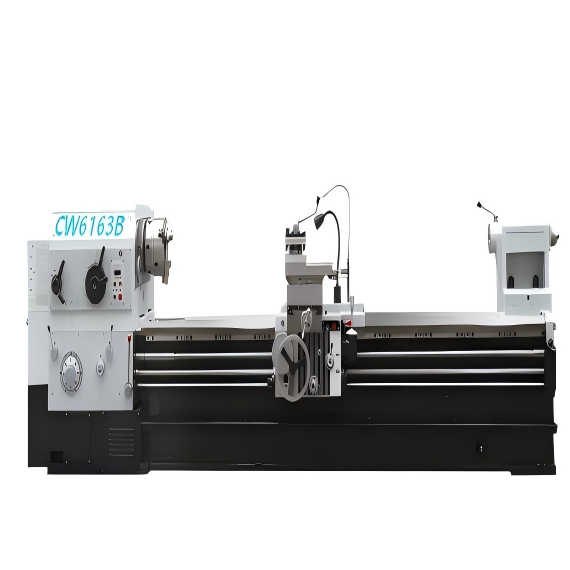
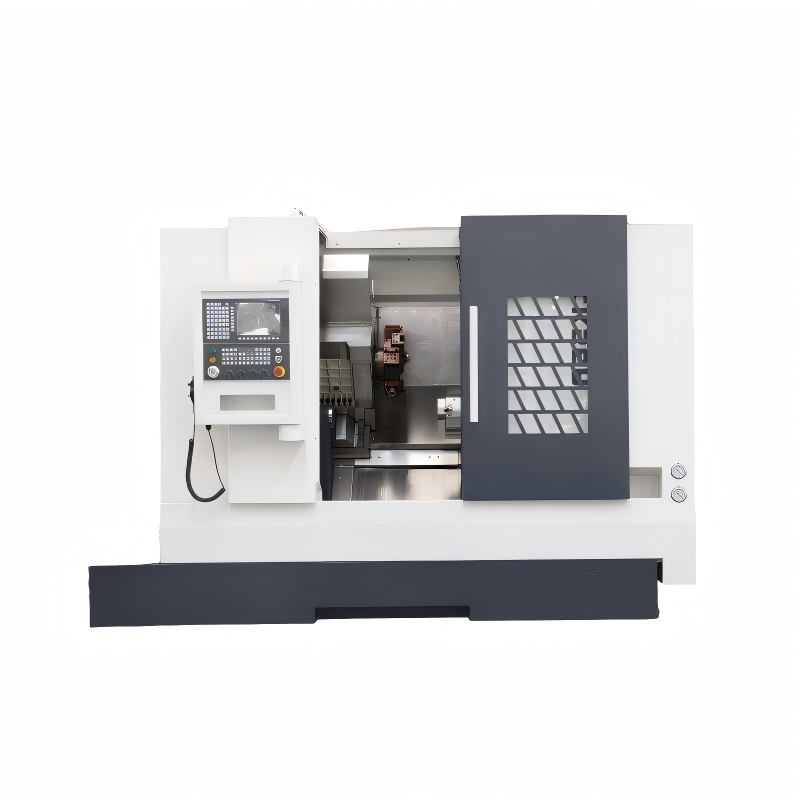
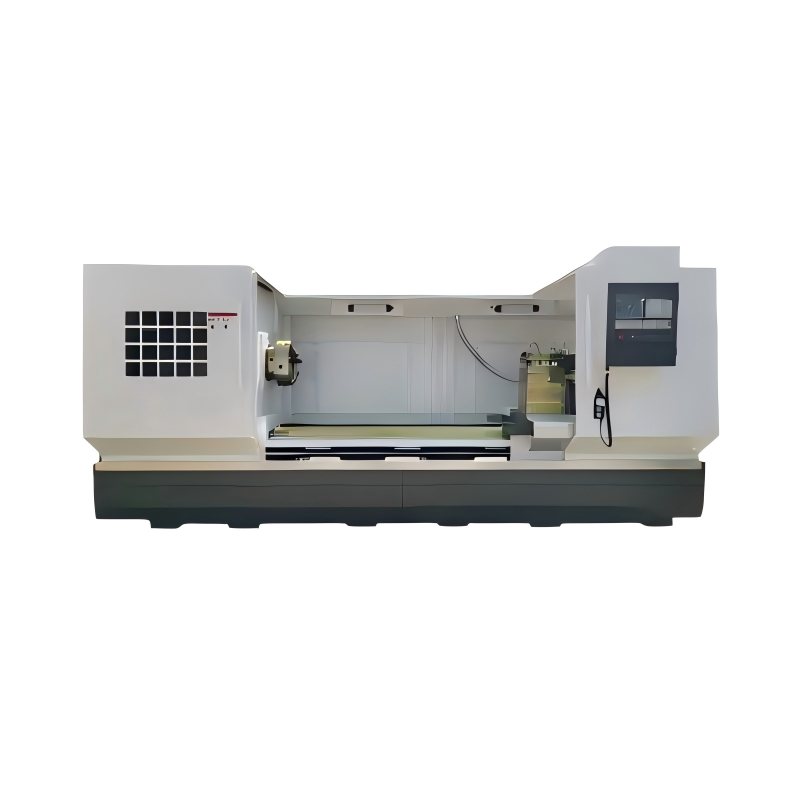
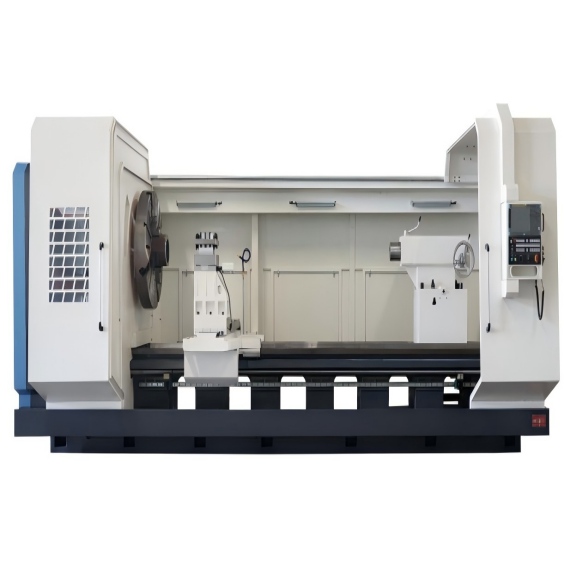
The conventional lathe, a time-tested piece of machinery in the manufacturing industry, remains an indispensable tool for many workshops, especially when it comes to machining long shafts. Despite the advent of more advanced CNC (Computer Numerical Control) machines, conventional lathes continue to hold their ground due to several advantages that make them particularly suitable for this type of work. This report aims to explore the specific benefits that conventional lathes offer for the machining of long shafts, providing insights into why they remain a preferred choice in various industrial applications.
One of the most significant advantages of using a Conventional lathe for long shaft machining is its inherent flexibility. Unlike CNC machines, which require pre-programmed instructions to operate, conventional lathes allow operators to adjust settings and techniques on-the-fly. This adaptability is crucial when working with long shafts, as these components often have complex geometries or require precise adjustments during the machining process. The operator can easily modify cutting speeds, feed rates, and other parameters based on the material being machined and the desired outcome, ensuring that each part meets the required specifications. Additionally, the ability to perform custom operations, such as taper turning, threading, and knurling, without the need for extensive setup or programming, makes conventional lathes highly versatile for a wide range of long shaft machining tasks.
Another key advantage of conventional lathes for long shaft machining is their cost-effectiveness. Conventional lathes are generally less expensive to purchase and maintain compared to their CNC counterparts. The initial investment in a conventional lathe is significantly lower, making it a more accessible option for small and medium-sized enterprises. Furthermore, the maintenance and repair costs are also lower, as these machines have fewer electronic components and simpler mechanical structures. In the context of long shaft machining, where the length and complexity of the workpieces can sometimes lead to increased wear and tear, the lower maintenance requirements of conventional lathes can result in substantial savings over time. This cost-effectiveness, combined with the robustness and durability of these machines, makes them a reliable choice for long-term use in the workshop.
Conventional lathes rely heavily on the skill and expertise of the operator, which can be a significant advantage in long shaft machining. Skilled machinists can leverage their experience and intuition to achieve high-quality results, even in challenging situations. For example, when machining a long shaft, the operator can make real-time adjustments to compensate for any irregularities in the material or deviations from the design. This level of control and precision is difficult to achieve with automated systems, which may not be able to respond as quickly or accurately to unexpected issues. Moreover, the hands-on nature of conventional lathe operation allows machinists to develop a deep understanding of the machining process, leading to continuous improvement and innovation. This expertise can be invaluable in ensuring the quality and consistency of long shafts, particularly in industries where precision and reliability are paramount.
Conventional lathes are designed with ease of handling and efficient setup in mind, which is particularly beneficial for long shaft machining. These machines typically feature simple and intuitive controls, allowing operators to quickly set up and start machining. The straightforward setup process minimizes downtime and increases productivity, which is crucial when working with long shafts that may require multiple operations. Additionally, conventional lathes often have features such as tailstocks and steady rests, which provide support and stability for long workpieces. These features help to prevent deflection and ensure accurate machining, even when dealing with very long shafts. The combination of easy handling and efficient setup makes conventional lathes a practical choice for workshops that need to produce high-quality long shafts efficiently.
In conclusion, conventional lathes offer several distinct advantages for long shaft machining. Their flexibility and customization capabilities, cost-effectiveness, reliance on operator skill, and efficient handling and setup make them a valuable tool in the manufacturing industry. While CNC machines have their own set of advantages, the traditional lathe continues to play a vital role in the production of long shafts, particularly in scenarios where adaptability, cost, and human expertise are critical factors. As such, conventional lathes remain a preferred choice for many workshops, ensuring that they will continue to be a cornerstone of machining technology for years to come.
 30/06/2026
Achieving high accuracy with a conventional lathe on long shafts presents both challenges and opportunities. This document aims to explore the methodologies, techniques, and best practices that can be employed to enhance the precision of machining operati
Read More29/06/2026In the manufacturing industry, precision and consistency are key to producing high-quality products. When it comes to machining long shafts using a conventional lathe, maintaining consistent quality can be particularly challenging due to the length of the
Read More29/06/2026The conventional lathe, a cornerstone of machining technology, has been the go-to tool for producing high-precision components across various industries. When it comes to long shaft workpieces, the conventional lathe offers several advantages that make it
Read More28/06/2026Understanding the Basics of Conventional Lathes for Long Shaft MachiningA conventional lathe is a versatile machine tool used in the manufacturing industry, particularly for machining long shafts. These lathes are designed to perform a variety of operatio
Read More28/06/2026Optimizing a conventional lathe for long shaft projects is essential to ensure efficiency, accuracy, and the longevity of both the machine and the workpiece. This technical report will provide a comprehensive guide on how to achieve optimal performance wh
Read More27/06/2026Turning long shafts with high accuracy is a challenging task, especially when using conventional lathes. These machines, while versatile and cost-effective, require careful setup, advanced techniques, and sometimes modifications to achieve the precision d
Read More27/06/2026A conventional lathe is an essential tool in the manufacturing industry, especially when it comes to machining long shafts. The ability to precisely shape and finish long cylindrical components is critical for many applications, from automotive parts to i
Read More26/06/2026When it comes to machining long shafts on conventional lathes, the importance of tool selection cannot be overstated. The right tools not only ensure precision and efficiency but also extend the lifespan of both the lathe and the workpiece. This technical
Read More26/06/2026Mastering the art of machining long shafts on a conventional lathe requires a deep understanding of both the machine and the material being worked with. This process, while seemingly straightforward, is fraught with challenges that can significantly impac
Read More25/06/2026IntroductionThe conventional lathe has been a cornerstone in the metalworking industry for decades, especially when it comes to machining long shafts. This report aims to explore how the use of a conventional lathe can be optimized to enhance efficiency i
Read More25/06/2026The manufacturing industry is constantly seeking ways to improve the efficiency and accuracy of its processes. One area where significant advancements can be made is in the turning of long shafts using conventional lathes. This report explores how enhanci
Read More24/06/2026In the field of manufacturing, particularly in the production of long shafts, the conventional lathe continues to play an indispensable role. This tool, with its robust design and versatile capabilities, remains a cornerstone for many workshops and factor
Read More24/06/2026The conventional lathe has been a staple in the manufacturing industry for centuries, playing an essential role in the production of long shafts. This report aims to explore the significance of conventional lathes in the context of long shaft manufacturin
Read More23/06/2026When it comes to machining long shafts, a conventional lathe for long shaft offers a reliable and versatile solution. However, working with such components presents unique challenges that require advanced setups and techniques to ensure precision, efficie
Read More23/06/2026Choosing the right conventional lathe for long shaft production is a critical decision that can significantly impact the quality, efficiency, and cost-effectiveness of your manufacturing process. This technical report aims to guide you through the essenti
Read More23/06/2026In the realm of machining, working with long shafts on a conventional lathe presents unique challenges that require careful planning and execution. This report aims to provide practical advice for maximizing efficiency when using a conventional lathe on l
Read More23/06/2026IntroductionThe conventional lathe, a fundamental machine tool in the manufacturing industry, has been a cornerstone of precision machining for centuries. Its versatility and reliability have made it an indispensable asset, especially when it comes to the
Read More23/06/2026The machining of long shafts is a critical process in many industries, from automotive to aerospace. Achieving high precision and quality on conventional lathes for long shafts requires a deep understanding of the techniques and principles involved. This
Read More23/06/2026Understanding the Basics of Conventional Lathe for Long Shaft Machining In the realm of precision engineering, conventional lathes play a crucial role in manufacturing long shafts. A conventional lathe for long shaft is designed to handle workpieces that
Read More17/06/2026Introduction to the CW61 Series Universal Turning Lathe The CW61 series universal turning lathe is a versatile and reliable machine that has been widely used in various industries for its ability to handle a wide range of machining tasks. This article aim
Read More15/06/2026The application of conventional lathes for long shafts in engineering projects is a well-established practice, offering numerous advantages that make it an indispensable tool in the manufacturing industry. This report aims to provide a comprehensive under
Read More15/06/2026The CW61 series universal turning lathe, designed with precision and versatility in mind, has become an indispensable tool in modern workshops, particularly for the machining of long shafts. This technical report explores how the CW61 series not only meet
Read MoreOur professional sales team is always ready to assist you.