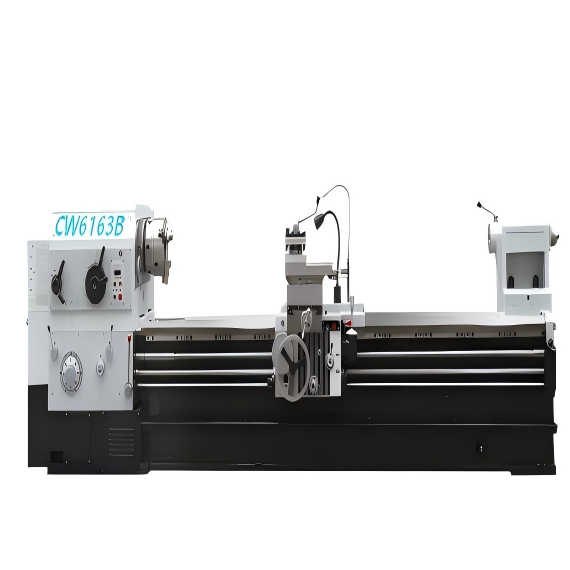
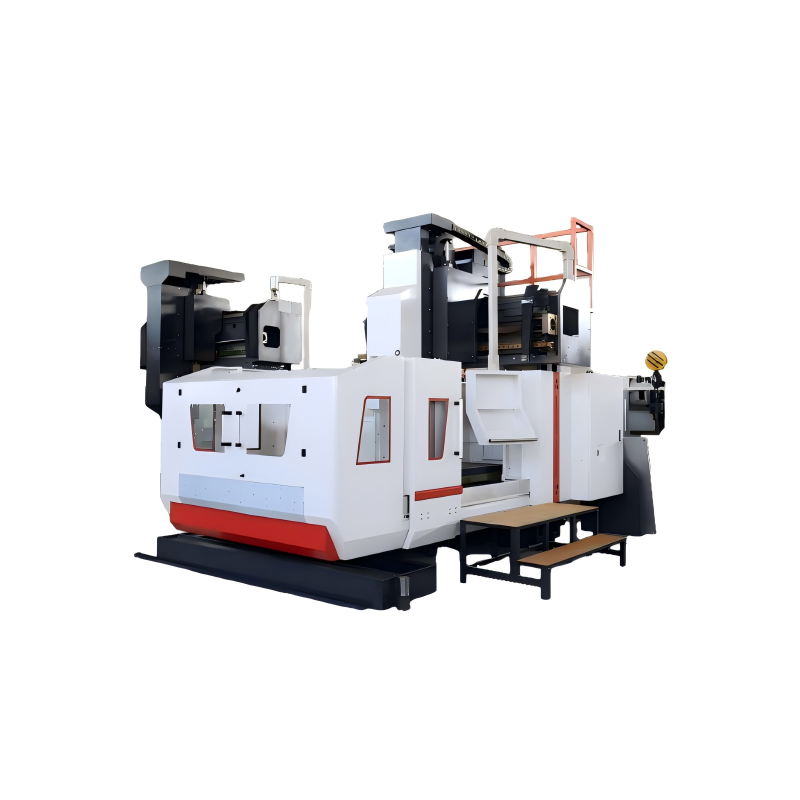
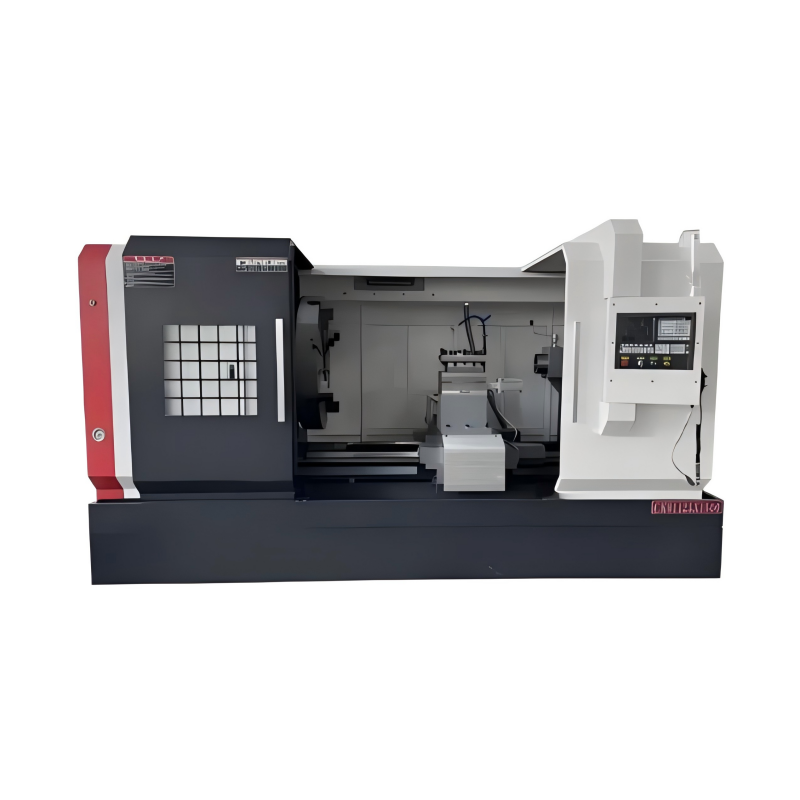
Turning long shafts with high accuracy is a challenging task, especially when using conventional lathes. These machines, while versatile and cost-effective, require careful setup, advanced techniques, and sometimes modifications to achieve the precision demanded by modern manufacturing standards. This report explores several strategies and considerations for achieving high accuracy in long shaft turning using conventional lathes.
The primary challenge in turning long shafts on a conventional lathe is maintaining consistent accuracy along the entire length of the workpiece. As the length of the shaft increases, so does the potential for deflection, vibration, and thermal expansion, all of which can affect the final product's quality. Additionally, the rigidity of the machine, the stability of the workholding, and the skill of the operator play crucial roles in the outcome.
Long shafts are prone to bending under their own weight, leading to variations in the cutting force and tool wear. This can result in dimensional inaccuracies, surface finish issues, and even complete failure of the part. Therefore, it is essential to address these challenges through a combination of proper machine setup, tooling selection, and operational techniques.
One of the most critical steps in achieving high accuracy in long shaft turning is optimizing the machine setup. A well-set-up lathe minimizes the effects of deflection and vibration, ensuring that the cutting process is as stable as possible. Here are some key considerations:
By carefully setting up the machine, you can significantly improve the accuracy and repeatability of the turning process, even for long shafts.
Beyond the basic setup, there are several advanced techniques that can further enhance the accuracy of long shaft turning on a conventional lathe. These techniques include:
These advanced techniques, when combined with a well-optimized machine setup, can help achieve the high accuracy required for long shaft turning.
Once the turning process is complete, it is essential to perform thorough quality control and inspection to ensure that the finished shaft meets the required specifications. This includes checking for dimensional accuracy, surface finish, and any other relevant criteria. Here are some key steps in the inspection process:
By implementing a robust quality control and inspection process, you can ensure that the long shafts produced on a conventional lathe meet the highest standards of accuracy and quality.
Achieving high accuracy in long shaft turning using conventional lathes is a multifaceted challenge that requires a combination of proper machine setup, advanced techniques, and rigorous quality control. By understanding the unique challenges of long shaft turning and applying the strategies outlined in this report, manufacturers can produce high-quality, precise long shafts that meet the demanding requirements of modern industry. Conventional lathe for long shaft applications, when properly utilized, can deliver excellent results, making them a valuable asset in any machine shop.
 27/06/2026
A conventional lathe is an essential tool in the manufacturing industry, especially when it comes to machining long shafts. The ability to precisely shape and finish long cylindrical components is critical for many applications, from automotive parts to i
Read More26/06/2026When it comes to machining long shafts on conventional lathes, the importance of tool selection cannot be overstated. The right tools not only ensure precision and efficiency but also extend the lifespan of both the lathe and the workpiece. This technical
Read More26/06/2026Mastering the art of machining long shafts on a conventional lathe requires a deep understanding of both the machine and the material being worked with. This process, while seemingly straightforward, is fraught with challenges that can significantly impac
Read More25/06/2026IntroductionThe conventional lathe has been a cornerstone in the metalworking industry for decades, especially when it comes to machining long shafts. This report aims to explore how the use of a conventional lathe can be optimized to enhance efficiency i
Read More25/06/2026The manufacturing industry is constantly seeking ways to improve the efficiency and accuracy of its processes. One area where significant advancements can be made is in the turning of long shafts using conventional lathes. This report explores how enhanci
Read More24/06/2026In the field of manufacturing, particularly in the production of long shafts, the conventional lathe continues to play an indispensable role. This tool, with its robust design and versatile capabilities, remains a cornerstone for many workshops and factor
Read More24/06/2026The conventional lathe has been a staple in the manufacturing industry for centuries, playing an essential role in the production of long shafts. This report aims to explore the significance of conventional lathes in the context of long shaft manufacturin
Read More23/06/2026When it comes to machining long shafts, a conventional lathe for long shaft offers a reliable and versatile solution. However, working with such components presents unique challenges that require advanced setups and techniques to ensure precision, efficie
Read More23/06/2026Choosing the right conventional lathe for long shaft production is a critical decision that can significantly impact the quality, efficiency, and cost-effectiveness of your manufacturing process. This technical report aims to guide you through the essenti
Read More23/06/2026In the realm of machining, working with long shafts on a conventional lathe presents unique challenges that require careful planning and execution. This report aims to provide practical advice for maximizing efficiency when using a conventional lathe on l
Read More23/06/2026IntroductionThe conventional lathe, a fundamental machine tool in the manufacturing industry, has been a cornerstone of precision machining for centuries. Its versatility and reliability have made it an indispensable asset, especially when it comes to the
Read More23/06/2026The machining of long shafts is a critical process in many industries, from automotive to aerospace. Achieving high precision and quality on conventional lathes for long shafts requires a deep understanding of the techniques and principles involved. This
Read More23/06/2026Understanding the Basics of Conventional Lathe for Long Shaft Machining In the realm of precision engineering, conventional lathes play a crucial role in manufacturing long shafts. A conventional lathe for long shaft is designed to handle workpieces that
Read More17/06/2026Introduction to the CW61 Series Universal Turning Lathe The CW61 series universal turning lathe is a versatile and reliable machine that has been widely used in various industries for its ability to handle a wide range of machining tasks. This article aim
Read More15/06/2026The application of conventional lathes for long shafts in engineering projects is a well-established practice, offering numerous advantages that make it an indispensable tool in the manufacturing industry. This report aims to provide a comprehensive under
Read More15/06/2026The CW61 series universal turning lathe, designed with precision and versatility in mind, has become an indispensable tool in modern workshops, particularly for the machining of long shafts. This technical report explores how the CW61 series not only meet
Read MoreOur professional sales team is always ready to assist you.