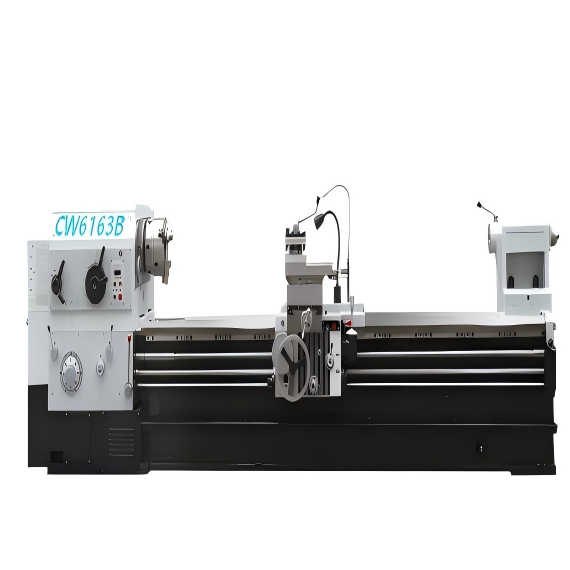
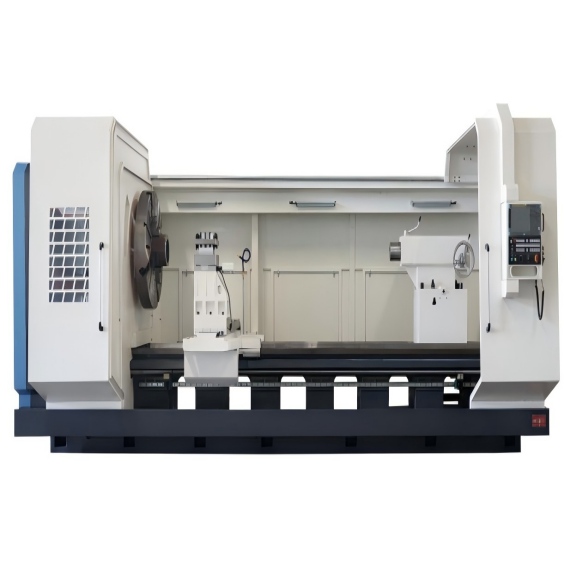
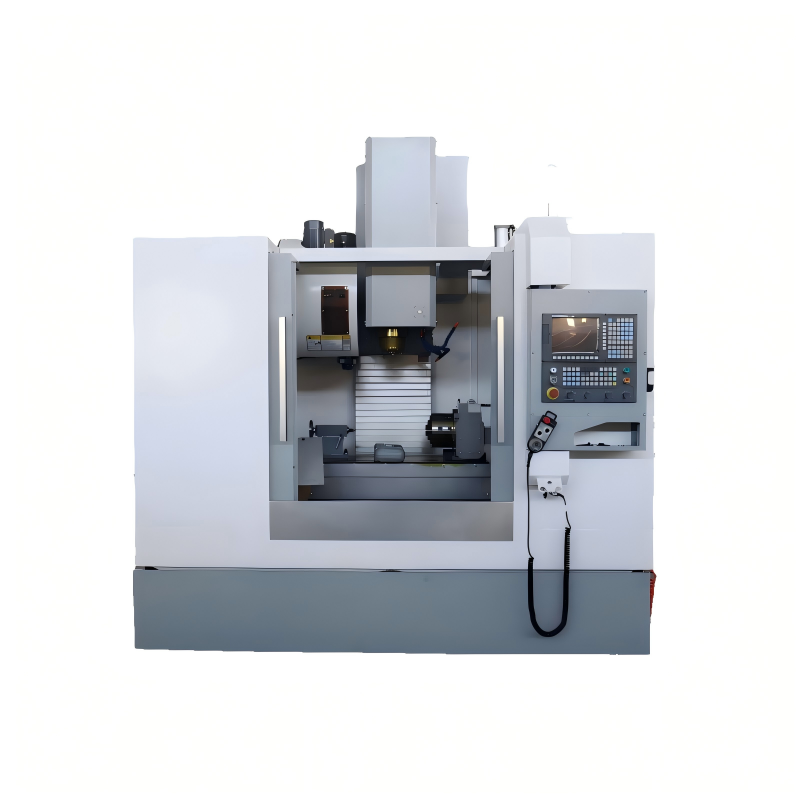
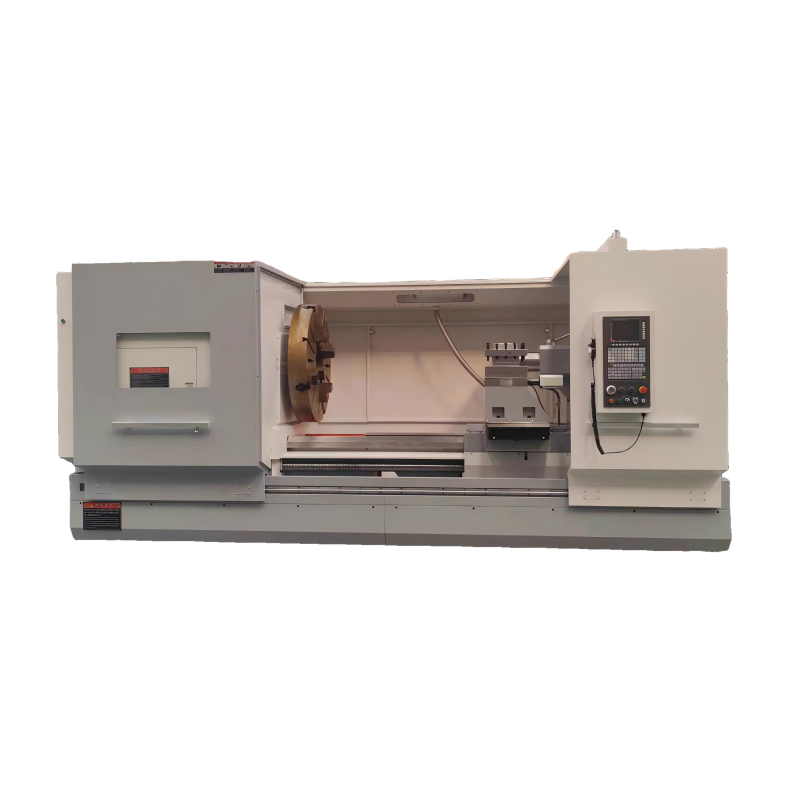
Achieving high accuracy with a conventional lathe on long shafts presents both challenges and opportunities. This document aims to explore the methodologies, techniques, and best practices that can be employed to enhance the precision of machining operations when working with long shafts using a conventional lathe. The focus will be on practical approaches that are both cost-effective and technically feasible for most workshops.
Machining long shafts, especially those that exceed the standard length of the workpiece typically handled by a conventional lathe, poses several unique challenges. One of the primary issues is the tendency for the shaft to deflect or bend under its own weight, which can lead to inaccuracies in the final product. Additionally, vibrations during the cutting process can further exacerbate these problems, leading to poor surface finish and dimensional inconsistencies.
To address these challenges, it is essential to understand the fundamental principles of material behavior and the mechanics involved in the machining process. By doing so, one can better anticipate and mitigate potential issues, thereby improving the overall quality of the machined part.
The setup and fixturing of the workpiece play a critical role in achieving high accuracy with a conventional lathe on long shafts. Proper support and alignment are crucial to prevent deflection and ensure that the cutting tool engages the workpiece uniformly. Here are some key considerations:
By optimizing the setup and fixturing, the risk of deflection and vibration is significantly reduced, leading to improved accuracy and surface finish.
Advanced cutting techniques can greatly enhance the precision and efficiency of machining long shafts on a conventional lathe. These techniques include:
By implementing these advanced cutting techniques, the precision and efficiency of machining long shafts can be substantially improved, even with a conventional lathe.
Ensuring the quality of the machined long shafts is a critical step in the manufacturing process. Effective quality control and inspection methods are essential to verify that the final product meets the required specifications. Some of the key methods include:
By employing rigorous quality control and inspection methods, the accuracy and reliability of the machined long shafts can be ensured, providing confidence in the final product.
Achieving high accuracy with a conventional lathe on long shafts requires a comprehensive approach that addresses the unique challenges posed by the length and weight of the workpiece. By optimizing the setup and fixturing, implementing advanced cutting techniques, and employing robust quality control and inspection methods, it is possible to produce highly precise and reliable long shafts. These strategies not only enhance the accuracy of the machining process but also contribute to the overall efficiency and productivity of the workshop.
 30/06/2026
The conventional lathe, a time-tested piece of machinery in the manufacturing industry, remains an indispensable tool for many workshops, especially when it comes to machining long shafts. Despite the advent of more advanced CNC (Computer Numerical Contro
Read More29/06/2026In the manufacturing industry, precision and consistency are key to producing high-quality products. When it comes to machining long shafts using a conventional lathe, maintaining consistent quality can be particularly challenging due to the length of the
Read More29/06/2026The conventional lathe, a cornerstone of machining technology, has been the go-to tool for producing high-precision components across various industries. When it comes to long shaft workpieces, the conventional lathe offers several advantages that make it
Read More28/06/2026Understanding the Basics of Conventional Lathes for Long Shaft MachiningA conventional lathe is a versatile machine tool used in the manufacturing industry, particularly for machining long shafts. These lathes are designed to perform a variety of operatio
Read More28/06/2026Optimizing a conventional lathe for long shaft projects is essential to ensure efficiency, accuracy, and the longevity of both the machine and the workpiece. This technical report will provide a comprehensive guide on how to achieve optimal performance wh
Read More27/06/2026Turning long shafts with high accuracy is a challenging task, especially when using conventional lathes. These machines, while versatile and cost-effective, require careful setup, advanced techniques, and sometimes modifications to achieve the precision d
Read More27/06/2026A conventional lathe is an essential tool in the manufacturing industry, especially when it comes to machining long shafts. The ability to precisely shape and finish long cylindrical components is critical for many applications, from automotive parts to i
Read More26/06/2026When it comes to machining long shafts on conventional lathes, the importance of tool selection cannot be overstated. The right tools not only ensure precision and efficiency but also extend the lifespan of both the lathe and the workpiece. This technical
Read More26/06/2026Mastering the art of machining long shafts on a conventional lathe requires a deep understanding of both the machine and the material being worked with. This process, while seemingly straightforward, is fraught with challenges that can significantly impac
Read More25/06/2026IntroductionThe conventional lathe has been a cornerstone in the metalworking industry for decades, especially when it comes to machining long shafts. This report aims to explore how the use of a conventional lathe can be optimized to enhance efficiency i
Read More25/06/2026The manufacturing industry is constantly seeking ways to improve the efficiency and accuracy of its processes. One area where significant advancements can be made is in the turning of long shafts using conventional lathes. This report explores how enhanci
Read More24/06/2026In the field of manufacturing, particularly in the production of long shafts, the conventional lathe continues to play an indispensable role. This tool, with its robust design and versatile capabilities, remains a cornerstone for many workshops and factor
Read More24/06/2026The conventional lathe has been a staple in the manufacturing industry for centuries, playing an essential role in the production of long shafts. This report aims to explore the significance of conventional lathes in the context of long shaft manufacturin
Read More23/06/2026When it comes to machining long shafts, a conventional lathe for long shaft offers a reliable and versatile solution. However, working with such components presents unique challenges that require advanced setups and techniques to ensure precision, efficie
Read More23/06/2026Choosing the right conventional lathe for long shaft production is a critical decision that can significantly impact the quality, efficiency, and cost-effectiveness of your manufacturing process. This technical report aims to guide you through the essenti
Read More23/06/2026In the realm of machining, working with long shafts on a conventional lathe presents unique challenges that require careful planning and execution. This report aims to provide practical advice for maximizing efficiency when using a conventional lathe on l
Read More23/06/2026IntroductionThe conventional lathe, a fundamental machine tool in the manufacturing industry, has been a cornerstone of precision machining for centuries. Its versatility and reliability have made it an indispensable asset, especially when it comes to the
Read More23/06/2026The machining of long shafts is a critical process in many industries, from automotive to aerospace. Achieving high precision and quality on conventional lathes for long shafts requires a deep understanding of the techniques and principles involved. This
Read More23/06/2026Understanding the Basics of Conventional Lathe for Long Shaft Machining In the realm of precision engineering, conventional lathes play a crucial role in manufacturing long shafts. A conventional lathe for long shaft is designed to handle workpieces that
Read More17/06/2026Introduction to the CW61 Series Universal Turning Lathe The CW61 series universal turning lathe is a versatile and reliable machine that has been widely used in various industries for its ability to handle a wide range of machining tasks. This article aim
Read More15/06/2026The application of conventional lathes for long shafts in engineering projects is a well-established practice, offering numerous advantages that make it an indispensable tool in the manufacturing industry. This report aims to provide a comprehensive under
Read More15/06/2026The CW61 series universal turning lathe, designed with precision and versatility in mind, has become an indispensable tool in modern workshops, particularly for the machining of long shafts. This technical report explores how the CW61 series not only meet
Read MoreOur professional sales team is always ready to assist you.