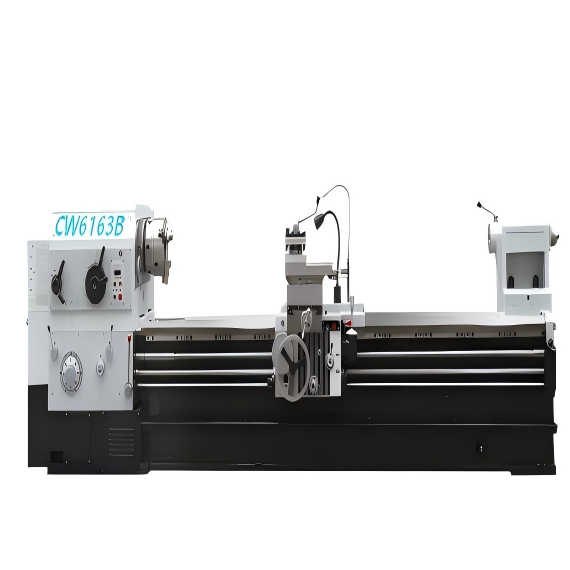
In the realm of manufacturing, the conventional lathe has long been a staple for producing a wide array of components, including long shafts. The versatility and precision offered by these machines make them indispensable in many industries. This report will delve into the role of the conventional lathe in the production of long shafts, highlighting its advantages, operational considerations, and future prospects.
The Importance of Precision in Long Shaft Production
Long shafts are critical components in various applications, from automotive engines to industrial machinery. The precision of these shafts is paramount, as even minor deviations can lead to significant performance issues or failure. Conventional lathes play a crucial role in achieving this precision. These machines are designed to handle long workpieces with ease, ensuring that the final product meets the required tolerances. The ability to control the cutting tool's speed and feed rate, along with the use of high-quality cutting tools, allows for the consistent production of accurate and reliable long shafts.
One of the key features of a conventional lathe is its robust construction, which provides stability during the machining process. This stability is essential when working with long shafts, as any vibration or movement can affect the accuracy of the finished product. Additionally, the ability to perform multiple operations, such as turning, facing, and threading, on a single machine reduces the need for additional setups, thereby minimizing the risk of errors and improving overall efficiency.
Operational Considerations for Conventional Lathe Use in Long Shaft Production
While conventional lathes are well-suited for long shaft production, there are several operational considerations that must be taken into account to ensure optimal results. One of the primary concerns is the alignment of the workpiece. Proper alignment is crucial to prevent deflection and ensure uniformity along the length of the shaft. This is often achieved through the use of centers, which support the workpiece at both ends and help maintain its position during the machining process.
Another important factor is the selection of appropriate cutting tools. The type of material being machined, the desired surface finish, and the specific dimensions of the shaft all influence the choice of cutting tools. High-speed steel (HSS) and carbide tools are commonly used, each offering different advantages in terms of durability and cutting efficiency. The proper selection and maintenance of these tools are essential for achieving the desired results and extending the life of the lathe.
Furthermore, the operator's skill and experience play a significant role in the success of long shaft production. Skilled operators can make precise adjustments to the lathe settings, monitor the machining process, and address any issues that may arise. Training and continuous education are therefore essential to ensure that operators are well-versed in the best practices and techniques for machining long shafts.
Advancements and Future Prospects for Conventional Lathes in Long Shaft Production
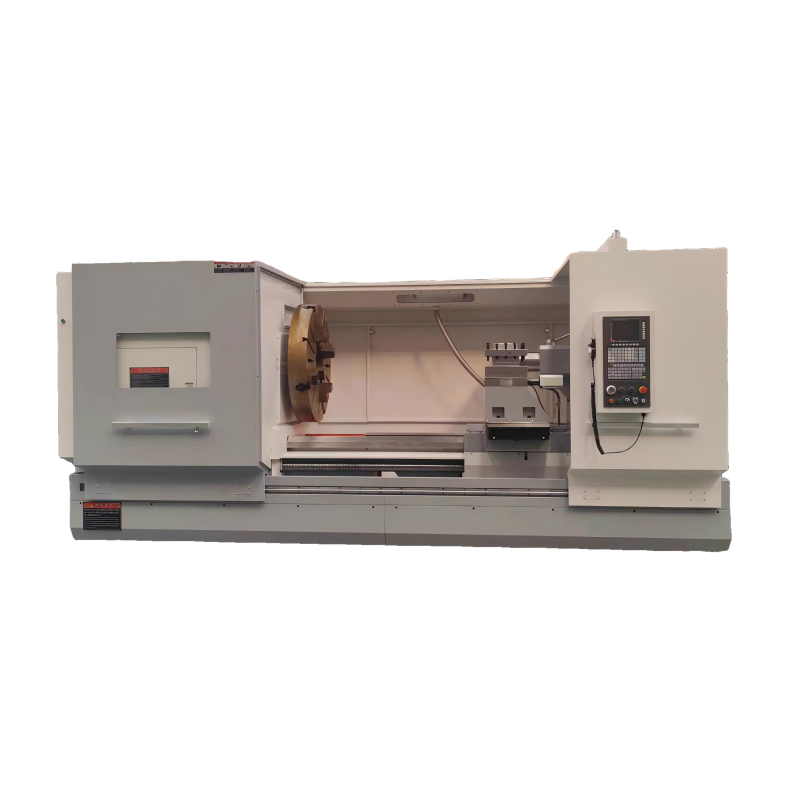
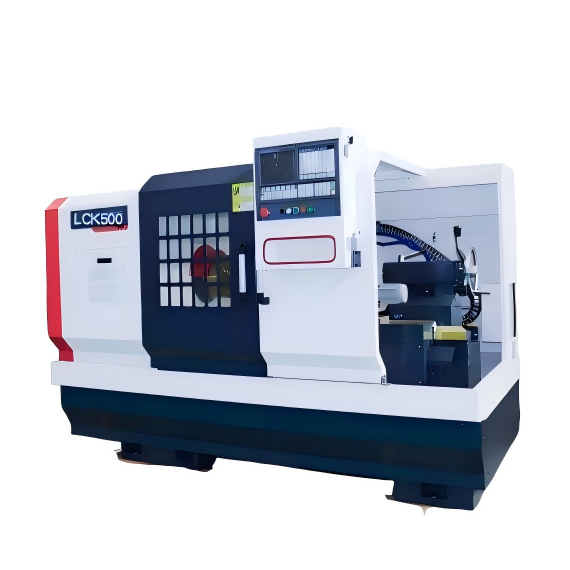
Despite the advent of more advanced CNC (Computer Numerical Control) machines, conventional lathes continue to hold a significant place in the manufacturing industry, particularly for long shaft production. However, advancements in technology are also being integrated into conventional lathes to enhance their capabilities. For example, digital readouts (DROs) and power feeds are now common additions, providing greater precision and control over the machining process.
Moreover, the integration of automation and robotics is becoming increasingly prevalent. Automated systems can handle the loading and unloading of workpieces, reducing the need for manual intervention and increasing productivity. This is especially beneficial in high-volume production environments where consistency and efficiency are critical.
Looking ahead, the future of conventional lathes in long shaft production is likely to be shaped by further technological innovations. The development of more advanced materials and cutting tools, as well as the incorporation of Industry 4.0 principles, such as data analytics and predictive maintenance, will continue to improve the performance and reliability of these machines. As a result, conventional lathes will remain a valuable tool in the manufacturing of long shafts, complementing the capabilities of more advanced technologies.
In conclusion, the Conventional lathe for long shaft production is an essential piece of equipment that offers precision, versatility, and reliability. By understanding the importance of precision, considering operational factors, and embracing technological advancements, manufacturers can leverage the full potential of conventional lathes to produce high-quality long shafts. As the manufacturing landscape continues to evolve, the role of conventional lathes will remain vital, ensuring that they remain a cornerstone of the industry.

 30/06/2026



