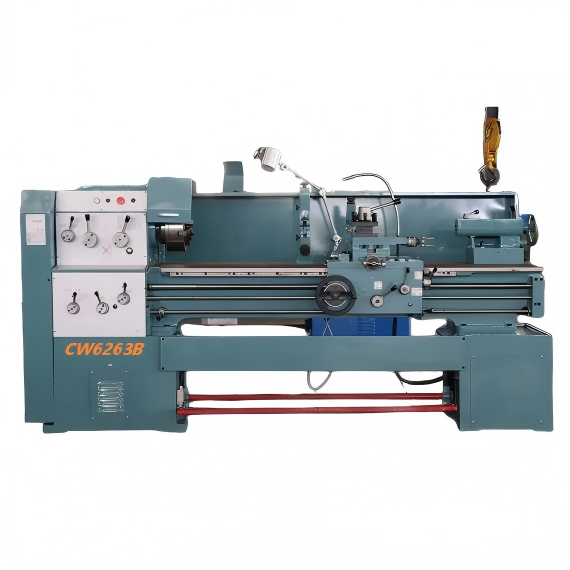
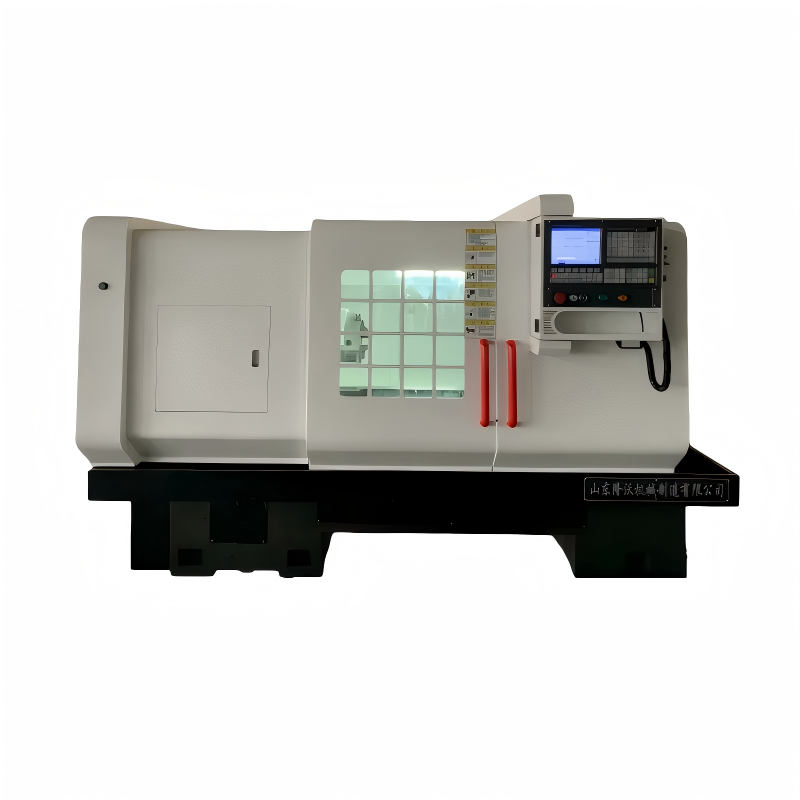
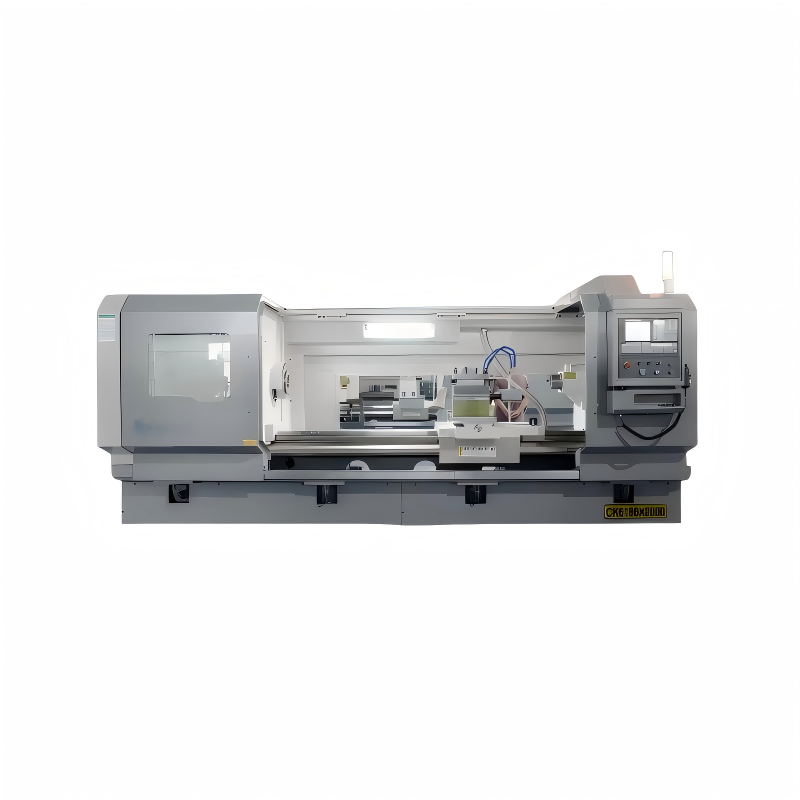
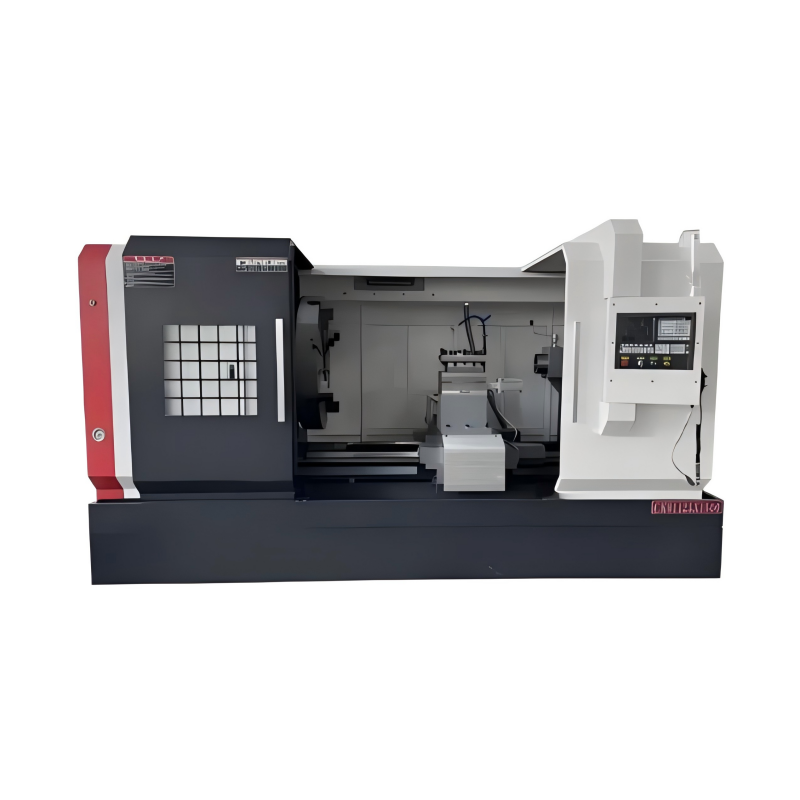
In the realm of precision manufacturing, CNC (Computer Numerical Control) Vertical Machining Centers have emerged as indispensable tools for achieving high accuracy and speed. These machines are designed to perform a wide range of operations, from milling and drilling to tapping and boring, with exceptional precision and efficiency. This technical report will explore how CNC Vertical Machining Centers can be optimized to maximize both accuracy and speed, providing valuable insights for manufacturers looking to enhance their production capabilities.
CNC Vertical Machining Centers are highly versatile and widely used in various industries, including aerospace, automotive, and medical device manufacturing. These machines are characterized by their vertical spindle orientation, which allows for efficient material removal and precise tool positioning. The core components of a CNC Vertical Machining Center include the spindle, worktable, control system, and tool changer. The spindle is responsible for rotating the cutting tool, while the worktable holds the workpiece in place. The control system, typically a computer, translates digital instructions into mechanical movements, ensuring that the machine operates according to the programmed specifications. The tool changer automates the process of switching between different tools, enhancing productivity and reducing downtime.
One of the key factors in maximizing the performance of a CNC Vertical Machining Center is the selection of appropriate cutting tools. The right tool can significantly impact the quality of the finished product, as well as the overall efficiency of the machining process. When selecting tools, it is essential to consider factors such as the material being machined, the desired surface finish, and the specific operation being performed. For example, high-speed steel (HSS) tools are suitable for general-purpose machining, while carbide tools are ideal for high-precision and high-speed applications. Additionally, the use of coated tools, such as those with titanium nitride (TiN) or diamond-like carbon (DLC) coatings, can further enhance tool life and improve surface finish. Proper tool selection not only ensures optimal performance but also reduces wear and tear on the machine, leading to lower maintenance costs and increased uptime.
The control system is the brain of the CNC Vertical Machining Center, and its capabilities play a crucial role in achieving high accuracy and speed. Modern CNC systems are equipped with advanced features such as high-resolution encoders, real-time feedback, and adaptive control algorithms. High-resolution encoders provide precise position and velocity data, enabling the machine to make fine adjustments during the machining process. Real-time feedback systems continuously monitor the machine's performance, allowing for immediate corrections if deviations occur. Adaptive control algorithms, on the other hand, adjust the feed rate and spindle speed in real time based on the material properties and cutting conditions, ensuring optimal performance and minimizing the risk of tool breakage or workpiece damage. By leveraging these advanced control systems, manufacturers can achieve higher levels of precision and faster cycle times, ultimately leading to increased productivity and cost savings.
Effective workholding and fixturing are critical for maintaining the stability of the workpiece during machining, which directly affects the accuracy and speed of the process. In a CNC Vertical Machining Center, the workpiece must be securely clamped to the worktable to prevent movement or vibration. There are several types of workholding solutions available, including vices, clamps, and custom fixtures. Vices are commonly used for holding small to medium-sized workpieces, while clamps are more suitable for larger or irregularly shaped parts. Custom fixtures, designed specifically for a particular part, offer the highest level of precision and repeatability. When designing workholding and fixturing solutions, it is important to consider the forces exerted on the workpiece during machining, as well as the accessibility of the cutting tool. Proper workholding not only ensures the stability of the workpiece but also allows for faster setup times and more efficient machining, contributing to overall productivity.
To ensure that a CNC Vertical Machining Center continues to deliver high accuracy and speed, regular maintenance and calibration are essential. Over time, wear and tear on the machine's components can lead to decreased performance and increased downtime. A comprehensive maintenance plan should include regular inspections, lubrication, and replacement of worn parts. Key areas to focus on include the spindle, bearings, and linear guides, as these components are critical for maintaining the machine's precision. Additionally, the control system and software should be kept up to date with the latest firmware and patches to ensure optimal functionality. Regular calibration of the machine is also crucial for maintaining accuracy. This involves checking and adjusting the machine's axes, ensuring that they are aligned and moving within the specified tolerances. By adhering to a rigorous maintenance and calibration schedule, manufacturers can extend the lifespan of their CNC Vertical Machining Center and ensure consistent, high-quality performance.
In conclusion, maximizing the accuracy and speed of a CNC Vertical Machining Center requires a holistic approach that encompasses tool selection, advanced control systems, effective workholding, and regular maintenance. By implementing these best practices, manufacturers can unlock the full potential of their machining centers, achieving higher productivity, better quality, and greater cost efficiency. As the demand for precision manufacturing continues to grow, the importance of optimizing CNC Vertical Machining Centers cannot be overstated.
 27/06/2026
The advancements in CNC Vertical Machining Center technology have revolutionized the manufacturing industry, enabling higher precision, efficiency, and productivity. This report delves into the key innovations that are driving the evolution of CNC vertica
Read More27/06/2026Understanding the Core Capabilities of CNC Vertical Machining CentersCNC (Computer Numerical Control) Vertical Machining Centers are pivotal in modern manufacturing, providing unparalleled precision and versatility. These machines are designed to handle a
Read More27/06/2026A CNC Vertical Machining Center (VMC) is a highly versatile and efficient machine tool that can significantly enhance the manufacturing capabilities of any production facility. However, investing in such a machine requires careful consideration of both th
Read More27/06/2026Introduction to CNC Vertical Machining CentersThe advent of Computer Numerical Control (CNC) technology has revolutionized the manufacturing industry, particularly in the precision and efficiency of machining operations. Among various types of CNC machine
Read More26/06/2026In the realm of aerospace manufacturing, precision and reliability are paramount. The use of CNC Vertical Machining Center (VMC) has become increasingly prevalent due to their ability to deliver high-precision components with consistent quality. This repo
Read More26/06/2026Understanding the Versatility of CNC Vertical Machining CentersThe CNC (Computer Numerical Control) vertical machining center is a fundamental tool in modern manufacturing, known for its precision and versatility. These machines are capable of performing
Read More26/06/2026The advent of CNC Vertical Machining Centers has revolutionized the mold making industry, offering unparalleled precision, efficiency, and versatility. This report delves into the significant impact of CNC vertical machining centers on mold making process
Read More26/06/2026The CNC Vertical Machining Center (VMC) is a cornerstone of modern manufacturing, enabling precise and efficient production across a wide range of industries. As the demand for high-precision components continues to grow, selecting the right VMC becomes i
Read More25/06/2026In today’s rapidly evolving manufacturing landscape, the integration of advanced technologies has become a cornerstone for enhancing productivity and maintaining a competitive edge. One such technology that stands out is the CNC (Computer Numerical Contro
Read More25/06/2026Understanding the Importance of Regular Maintenance for CNC Vertical Machining CentersThe CNC Vertical Machining Center is a critical piece of equipment in many manufacturing and engineering environments. These machines are designed to perform complex and
Read More25/06/2026Introduction to CNC Vertical Machining CentersThe evolution of manufacturing technology has seen the rise of CNC (Computer Numerical Control) vertical machining centers as a pivotal tool in modern metalworking. These machines, characterized by their abili
Read More25/06/2026In the world of manufacturing, efficiency and precision are paramount. The advent of Computer Numerical Control (CNC) technology has revolutionized how parts and components are machined, offering unparalleled accuracy and repeatability. Among the various
Read More24/06/2026In the rapidly evolving landscape of modern manufacturing, CNC (Computer Numerical Control) Vertical Machining Centers have emerged as a cornerstone technology, offering unparalleled precision, efficiency, and versatility. These machines play a crucial ro
Read More24/06/2026The advent of CNC (Computer Numerical Control) technology has revolutionized the manufacturing industry, particularly in sectors such as aerospace, where precision and efficiency are paramount. Among the various types of CNC machines, the CNC Vertical Mac
Read More24/06/2026A CNC Vertical Machining Center (CNC VMC) is a critical piece of equipment in modern manufacturing, designed to perform a wide range of machining operations with high precision and efficiency. Selecting the right CNC VMC for your specific needs can be a d
Read More24/06/2026The evolution of manufacturing technologies has significantly impacted the way products are designed, produced, and delivered. Among these advancements, the CNC Vertical Machining Center stands out as a pivotal tool in modern machining processes. This rep
Read More23/06/2026The CNC Vertical Machining Center is a cornerstone in the world of precision engineering, offering unparalleled accuracy and efficiency. This comprehensive guide aims to provide an in-depth understanding of CNC vertical machining centers, their applicatio
Read More23/06/2026Introduction to CNC Vertical Machining Centers in Automotive Parts Production The automotive industry is one of the most technologically advanced and competitive sectors globally, constantly pushing the boundaries of innovation. A key enabler in this rele
Read More23/06/2026In the realm of precision engineering, the advent of CNC (Computer Numerical Control) technology has revolutionized manufacturing processes, allowing for unprecedented levels of accuracy, efficiency, and flexibility. Among the various types of CNC machine
Read More23/06/2026In the rapidly evolving landscape of modern manufacturing, CNC (Computer Numerical Control) vertical machining centers have become an indispensable tool for achieving precision, efficiency, and flexibility. These advanced machines are at the forefront of
Read MoreOur professional sales team is always ready to assist you.