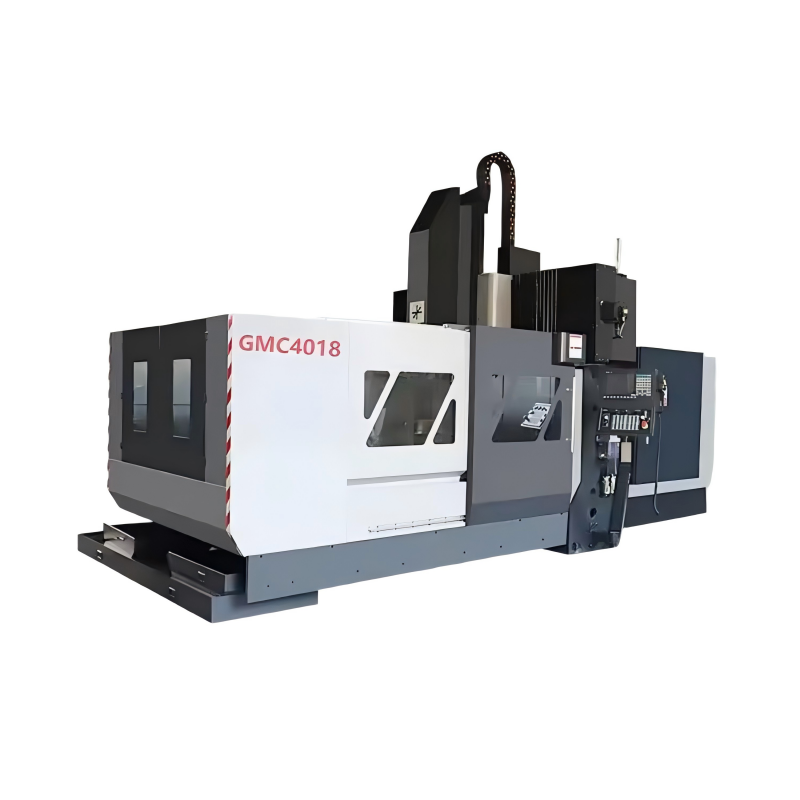
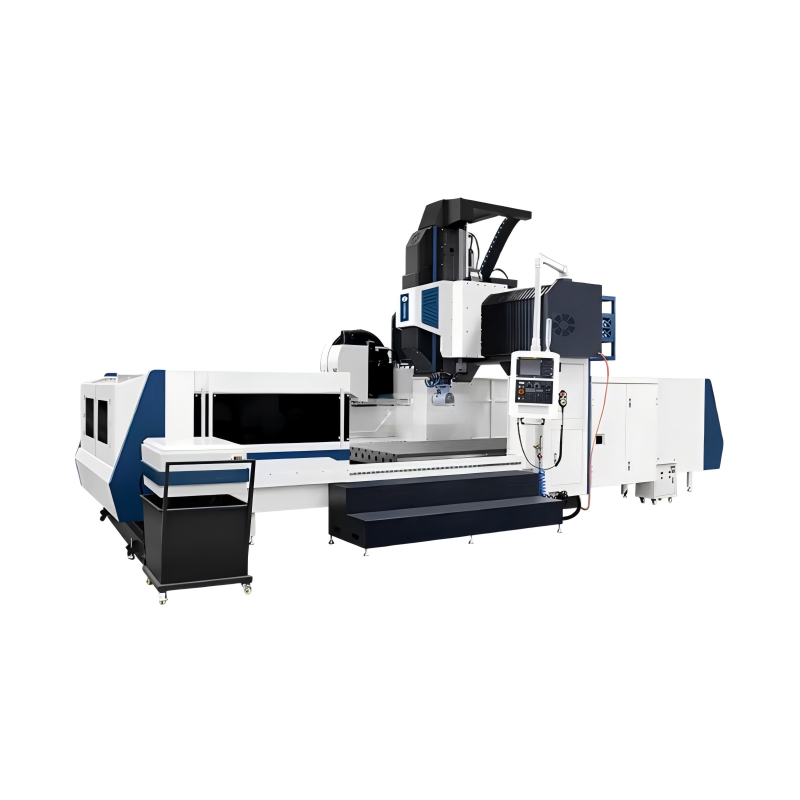
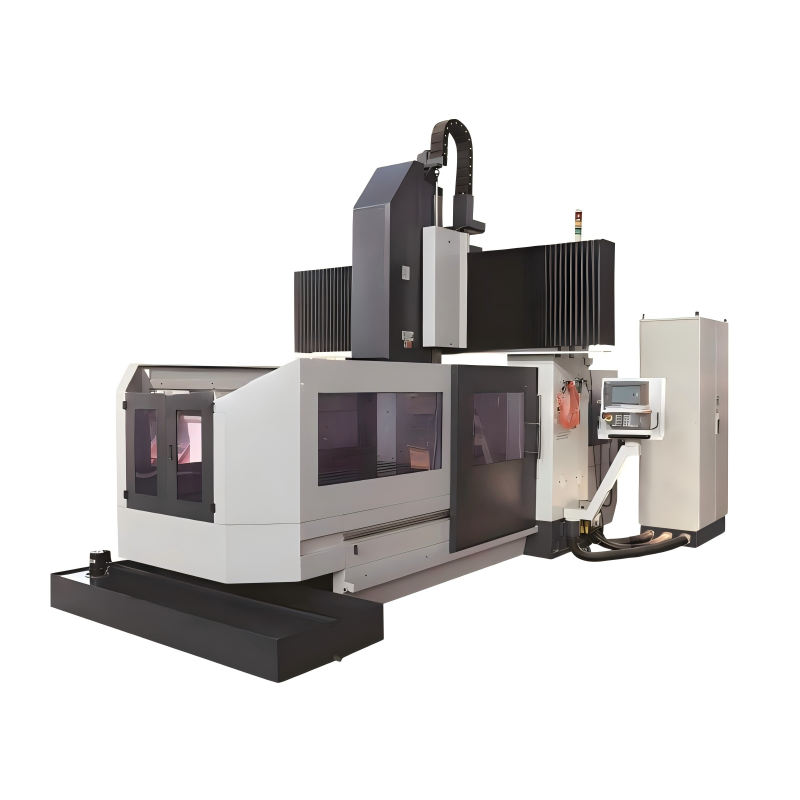
The 3 Axis Vertical Machining Center is a cornerstone of modern manufacturing, enabling the production of complex and precise parts with high efficiency. This technical report delves into advanced techniques for utilizing such a machine, focusing on optimizing performance, enhancing precision, and ensuring consistent quality.
A 3 Axis Vertical Machining Center (VMC) is a versatile tool that can perform a wide range of machining operations, including milling, drilling, and tapping. The three axes—X, Y, and Z—allow for movement in three dimensions, providing the flexibility to create intricate and detailed parts. To fully leverage the capabilities of a 3 Axis VMC, it is essential to understand its components and how they work together.
The X-axis allows for horizontal movement, the Y-axis for vertical movement, and the Z-axis for depth. These axes are controlled by a computer numerical control (CNC) system, which interprets G-code instructions to guide the machine's movements. Advanced techniques in using a 3 Axis VMC often involve optimizing the CNC programming to achieve the desired results efficiently.
One of the key aspects of using a 3 Axis Vertical Machining Center effectively is the optimization of tool path strategies. The tool path refers to the sequence of movements the cutting tool makes to remove material from the workpiece. By carefully planning and refining these paths, manufacturers can enhance the precision and surface finish of the final product.
Advanced techniques include the use of high-speed machining (HSM) and adaptive tool paths. HSM involves using higher spindle speeds and feed rates to reduce cutting forces and improve surface finish. Adaptive tool paths, on the other hand, adjust the tool's speed and direction based on the geometry of the part, ensuring optimal material removal and minimizing tool wear.
Additionally, the use of simulation software can help in visualizing and testing tool paths before actual machining. This not only saves time but also reduces the risk of errors and material waste.
Consistent quality is a critical factor in any manufacturing process, and the 3 Axis Vertical Machining Center is no exception. Advanced fixturing techniques play a crucial role in ensuring that the workpiece is securely and accurately positioned throughout the machining process.
One such technique is the use of modular fixturing systems, which offer flexibility and adaptability. These systems allow for quick and easy reconfiguration, making them ideal for batch production and job shops. Additionally, the use of precision clamps and vices can further enhance the stability and accuracy of the workpiece during machining.
Another important aspect is the use of zero-point clamping systems. These systems provide a repeatable and accurate method of positioning the workpiece, reducing setup times and improving overall productivity. By ensuring that the workpiece is consistently and precisely located, manufacturers can achieve higher levels of quality and consistency in their products.
The performance of a 3 Axis Vertical Machining Center can be significantly enhanced by the use of advanced materials and cutting tools. High-performance cutting tools, such as carbide and diamond-coated tools, offer superior wear resistance and longer tool life. This not only improves the efficiency of the machining process but also reduces the need for frequent tool changes, thereby increasing productivity.
Furthermore, the use of advanced materials, such as high-strength alloys and composites, requires specialized cutting tools and techniques. For example, when machining composites, it is essential to use tools with specific geometries and coatings to prevent delamination and achieve a clean cut. Similarly, when working with high-strength alloys, the use of coolant and proper tool selection is crucial to manage heat and maintain tool integrity.
By staying up-to-date with the latest advancements in materials and cutting tools, manufacturers can push the boundaries of what is possible with a 3 Axis VMC, achieving higher levels of precision and efficiency.
Regular maintenance and effective troubleshooting are essential for the long-term performance and reliability of a 3 Axis Vertical Machining Center. A well-maintained machine not only ensures consistent quality but also extends the lifespan of the equipment.
Key maintenance tasks include regular cleaning and lubrication of moving parts, checking and replacing worn-out components, and calibrating the machine's axes. Additionally, it is important to monitor the condition of the cutting tools and replace them as needed to avoid damage to the workpiece and the machine.
When troubleshooting, common issues include misalignment, tool wear, and programming errors. Advanced diagnostic tools and software can help in identifying and resolving these issues quickly and efficiently. By addressing these problems promptly, manufacturers can minimize downtime and ensure smooth operation.
In conclusion, the 3 Axis Vertical Machining Center is a powerful tool for modern manufacturing, and by implementing advanced techniques, manufacturers can achieve higher levels of precision, efficiency, and quality. Understanding the capabilities of the machine, optimizing tool path strategies, using advanced fixturing techniques, and maintaining the equipment are all crucial steps in maximizing the potential of a 3 Axis VMC.
 27/06/2026
In the realm of modern manufacturing, the adoption and integration of advanced technologies play a pivotal role in enhancing efficiency, precision, and productivity. Among these technologies, the 3 Axis Vertical Machining Center stands out as a versatile
Read More27/06/2026The advent of advanced manufacturing technologies has led to an increased demand for skilled operators capable of handling complex machinery, such as the 3 Axis Vertical Machining Center. These machines play a pivotal role in precision engineering and pro
Read More27/06/2026When it comes to the manufacturing industry, precision and efficiency are key factors in determining the success of a project. One of the most versatile tools available for achieving these goals is the 3 Axis Vertical Machining Center. This type of machin
Read More27/06/2026IntroductionThe 3 Axis Vertical Machining Center (VMC) is a cornerstone in the modern manufacturing industry, offering versatile and efficient solutions for a wide range of machining tasks. This report aims to explore cost-effective strategies and applica
Read More26/06/2026Introduction to 3 Axis Vertical Machining CentersThe 3 Axis Vertical Machining Center (VMC) stands as a cornerstone in the world of precision manufacturing, offering unparalleled accuracy and efficiency. This type of machining center is designed with thre
Read More26/06/2026The Evolution of 3 Axis Vertical Machining CentersOver the past few decades, the manufacturing industry has witnessed a significant transformation, driven by advancements in technology and automation. One such innovation that has played a pivotal role is
Read More26/06/2026Understanding the Importance of Regular MaintenanceA 3 axis vertical machining center is a crucial piece of equipment in many manufacturing and production environments. Its ability to perform complex operations with high precision makes it indispensable.
Read More25/06/2026IntroductionThe 3 Axis Vertical Machining Center (VMC) has become a cornerstone in modern manufacturing, offering unparalleled precision and efficiency for a wide range of applications. This report aims to explore the key strategies that can be employed t
Read More25/06/2026The evolution of manufacturing technology has been marked by significant advancements, with the 3 Axis Vertical Machining Center (VMC) standing out as a pivotal innovation. This report delves into the latest developments in VMC technology, exploring how t
Read More25/06/2026When it comes to investing in a 3 Axis Vertical Machining Center, making the right decision can significantly impact your manufacturing process's efficiency and output quality. This type of machine is a versatile tool capable of performing a wide range of
Read More25/06/2026The advent of 3 Axis Vertical Machining Centers (VMCs) has significantly transformed the landscape of industrial manufacturing, enhancing productivity, precision, and operational efficiency. This report delves into the impact of 3 Axis VMCs on industrial
Read More24/06/2026Introduction to 3 Axis Vertical Machining Centers A 3 Axis Vertical Machining Center is a versatile and powerful tool in the manufacturing industry, capable of performing a wide range of machining operations. This type of machine is designed to move along
Read More24/06/2026Introduction to 3 Axis Vertical Machining CentersA 3 axis vertical machining center is a fundamental piece of equipment in modern manufacturing, designed for the precision cutting and shaping of materials. This type of machine tool operates on three prima
Read More24/06/2026A Comprehensive Guide to Selecting the Right 3 Axis Vertical Machining CenterChoosing the right 3 axis vertical machining center is a critical decision for any manufacturing operation. These machines are essential for precision and efficiency in a wide ra
Read More24/06/2026Understanding the Core Components of a 3 Axis Vertical Machining CenterA 3 Axis Vertical Machining Center is an essential piece of equipment in many manufacturing and engineering environments, designed to perform a wide range of machining operations with
Read More23/06/2026The 3 Axis Vertical Machining Center (VMC) is a versatile and efficient tool in the world of manufacturing, capable of producing complex parts with high precision. This type of machining center plays a crucial role in various industries, from automotive t
Read More23/06/2026The 3 Axis Vertical Machining Center is a cornerstone in modern manufacturing, providing unparalleled precision and efficiency. This technical report delves into the advanced features and capabilities that make this machine a preferred choice for many ind
Read More23/06/2026In the realm of precision engineering, the role of 3 Axis Vertical Machining Centers (VMCs) is pivotal. These advanced machines have become indispensable in a variety of manufacturing processes, from aerospace to automotive, and from medical devices to co
Read More23/06/2026In the realm of modern manufacturing, the 3 Axis Vertical Machining Center (VMC) stands out as a pivotal tool for precision and efficiency. This report delves into the advantages that 3 Axis VMCs offer, highlighting their significance in contemporary indu
Read MoreOur professional sales team is always ready to assist you.