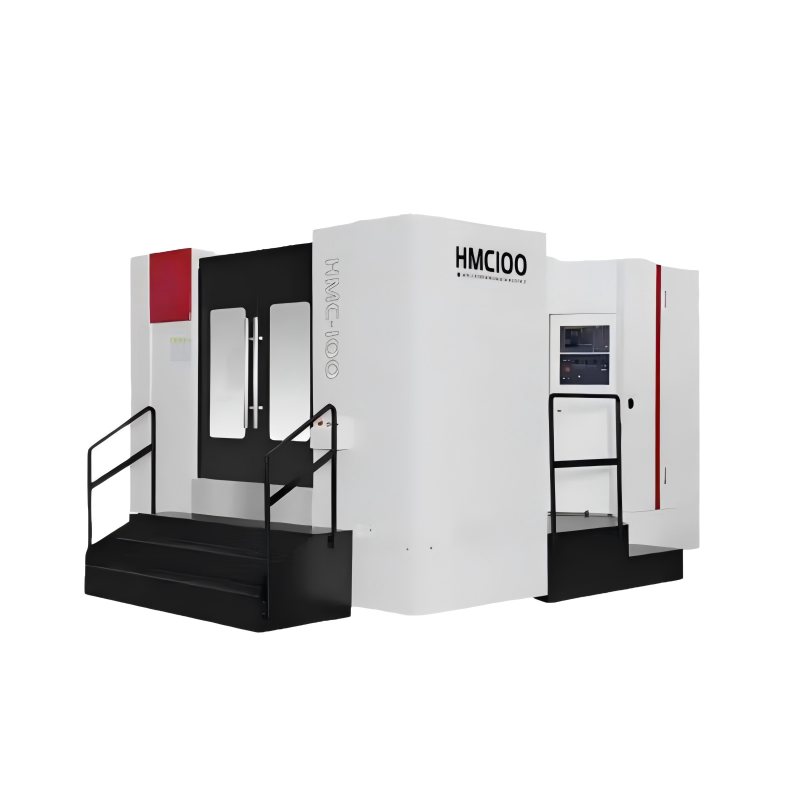
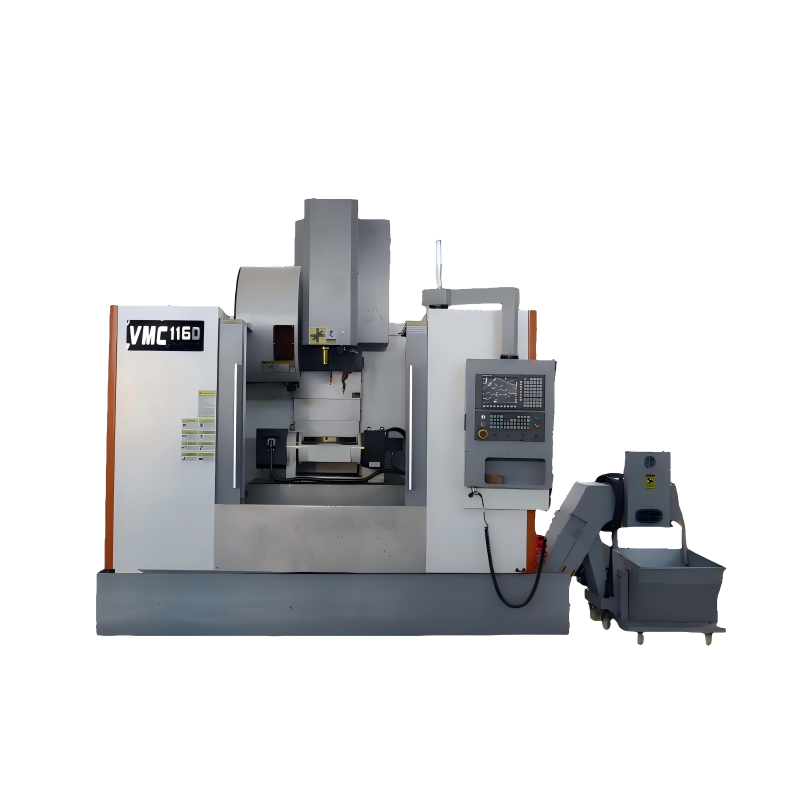
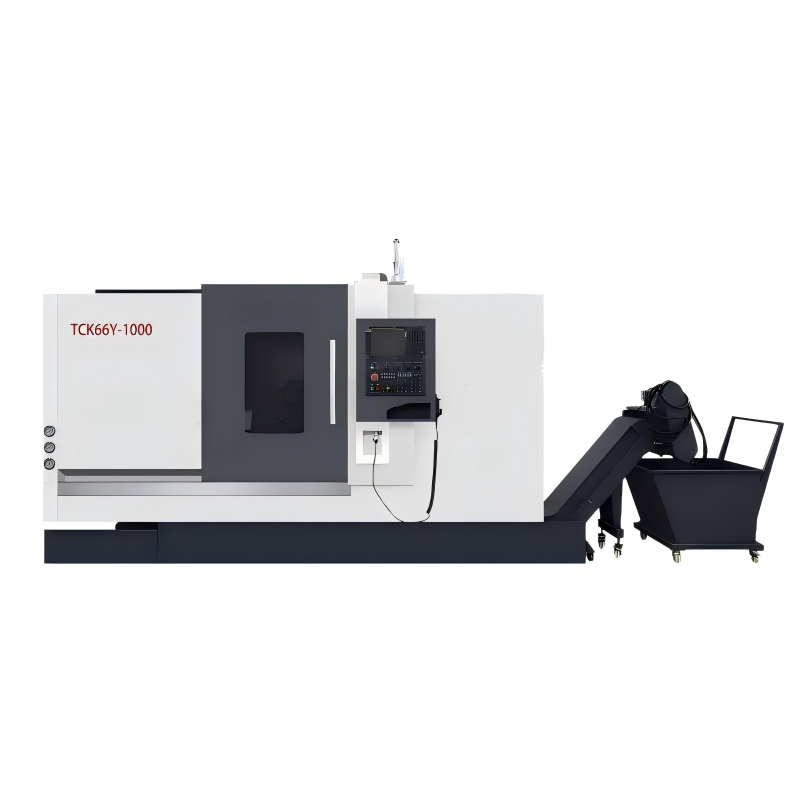
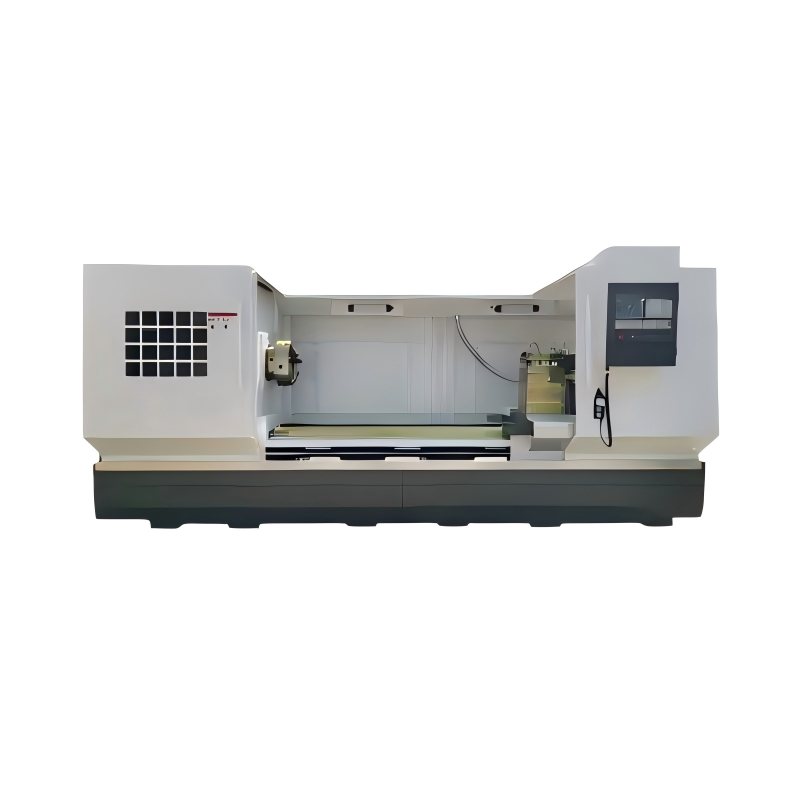
The advent of advanced manufacturing technologies has led to an increased demand for skilled operators capable of handling complex machinery, such as the 3 Axis Vertical Machining Center. These machines play a pivotal role in precision engineering and production, making it essential for operators to be well-trained and proficient. This report explores the importance of training and skill development for operators of 3 Axis Vertical Machining Centers, highlighting key areas that need attention to ensure optimal performance and safety.
A 3 Axis Vertical Machining Center is a versatile machine tool used in various industries for milling, drilling, and cutting operations. It operates on three axes: X, Y, and Z, allowing for precise control over the movement of the workpiece and the cutting tool. The X-axis controls the horizontal movement, the Y-axis controls the vertical movement, and the Z-axis controls the depth of the cut. Understanding the functionality and capabilities of these machines is the first step in effective training.
Operators must be familiar with the machine's components, including the spindle, table, and control panel. They should also understand the different types of tools and materials that can be used, as well as the parameters that affect the machining process, such as feed rates, speeds, and depths of cut. Comprehensive knowledge of the 3 Axis Vertical Machining Center is crucial for efficient and safe operation.
Training programs for 3 Axis Vertical Machining Center operators should focus on developing core operational skills. These include setting up the machine, loading and unloading workpieces, and performing routine maintenance. Proper setup is critical to ensure accuracy and prevent damage to the machine or the workpiece. Operators must learn how to align the workpiece correctly, secure it firmly, and adjust the machine settings to match the job requirements.
Loading and unloading workpieces safely and efficiently is another essential skill. Operators should be trained to handle different types of materials and workpieces, ensuring they are positioned correctly and securely. Additionally, routine maintenance tasks, such as cleaning, lubricating, and inspecting the machine, are vital for maintaining its performance and longevity. Regular maintenance also helps in identifying potential issues before they become major problems.
Modern 3 Axis Vertical Machining Centers are often equipped with Computer Numerical Control (CNC) systems, which allow for automated and precise control of the machining process. Training in CNC programming and operations is therefore a critical component of skill development for operators. This includes learning how to write and edit CNC programs, interpret G-code, and use CAD/CAM software to generate toolpaths.
Operators should be proficient in using the machine's control panel to input and modify programs, as well as to monitor and adjust the machining process in real-time. Advanced programming skills enable operators to optimize the machining process, reduce cycle times, and improve the quality of the finished product. Training in CNC operations also covers troubleshooting and error handling, which are essential for maintaining smooth and uninterrupted production.
Safety is a paramount concern in any manufacturing environment, and 3 Axis Vertical Machining Centers are no exception. Operators must be trained in all aspects of safety, including the proper use of personal protective equipment (PPE), safe handling of tools and materials, and emergency procedures. Regular safety training and drills help to reinforce best practices and ensure that operators are prepared to respond to any situation that may arise.
Quality assurance is another critical aspect of training. Operators should be taught how to inspect and measure the workpiece at various stages of the machining process to ensure that it meets the required specifications. This includes understanding the use of measuring tools such as calipers, micrometers, and coordinate measuring machines (CMMs). By integrating quality control into the machining process, operators can minimize errors and produce high-quality parts consistently.
The field of manufacturing is constantly evolving, with new technologies and techniques being introduced regularly. To stay competitive and ensure the highest level of proficiency, operators of 3 Axis Vertical Machining Centers must engage in continuous learning and professional development. This can include attending workshops, seminars, and training courses, as well as staying updated with industry trends and best practices.
Employers should support their operators by providing access to training resources and opportunities for advancement. This not only enhances the skills and knowledge of the workforce but also contributes to the overall productivity and success of the organization. Continuous learning and professional development are key to maintaining a skilled and adaptable workforce in the ever-changing landscape of modern manufacturing.
 27/06/2026
In the realm of modern manufacturing, the adoption and integration of advanced technologies play a pivotal role in enhancing efficiency, precision, and productivity. Among these technologies, the 3 Axis Vertical Machining Center stands out as a versatile
Read More27/06/2026When it comes to the manufacturing industry, precision and efficiency are key factors in determining the success of a project. One of the most versatile tools available for achieving these goals is the 3 Axis Vertical Machining Center. This type of machin
Read More27/06/2026IntroductionThe 3 Axis Vertical Machining Center (VMC) is a cornerstone in the modern manufacturing industry, offering versatile and efficient solutions for a wide range of machining tasks. This report aims to explore cost-effective strategies and applica
Read More26/06/2026Introduction to 3 Axis Vertical Machining CentersThe 3 Axis Vertical Machining Center (VMC) stands as a cornerstone in the world of precision manufacturing, offering unparalleled accuracy and efficiency. This type of machining center is designed with thre
Read More26/06/2026The Evolution of 3 Axis Vertical Machining CentersOver the past few decades, the manufacturing industry has witnessed a significant transformation, driven by advancements in technology and automation. One such innovation that has played a pivotal role is
Read More26/06/2026Understanding the Importance of Regular MaintenanceA 3 axis vertical machining center is a crucial piece of equipment in many manufacturing and production environments. Its ability to perform complex operations with high precision makes it indispensable.
Read More25/06/2026IntroductionThe 3 Axis Vertical Machining Center (VMC) has become a cornerstone in modern manufacturing, offering unparalleled precision and efficiency for a wide range of applications. This report aims to explore the key strategies that can be employed t
Read More25/06/2026The evolution of manufacturing technology has been marked by significant advancements, with the 3 Axis Vertical Machining Center (VMC) standing out as a pivotal innovation. This report delves into the latest developments in VMC technology, exploring how t
Read More25/06/2026When it comes to investing in a 3 Axis Vertical Machining Center, making the right decision can significantly impact your manufacturing process's efficiency and output quality. This type of machine is a versatile tool capable of performing a wide range of
Read More25/06/2026The advent of 3 Axis Vertical Machining Centers (VMCs) has significantly transformed the landscape of industrial manufacturing, enhancing productivity, precision, and operational efficiency. This report delves into the impact of 3 Axis VMCs on industrial
Read More24/06/2026Introduction to 3 Axis Vertical Machining Centers A 3 Axis Vertical Machining Center is a versatile and powerful tool in the manufacturing industry, capable of performing a wide range of machining operations. This type of machine is designed to move along
Read More24/06/2026Introduction to 3 Axis Vertical Machining CentersA 3 axis vertical machining center is a fundamental piece of equipment in modern manufacturing, designed for the precision cutting and shaping of materials. This type of machine tool operates on three prima
Read More24/06/2026A Comprehensive Guide to Selecting the Right 3 Axis Vertical Machining CenterChoosing the right 3 axis vertical machining center is a critical decision for any manufacturing operation. These machines are essential for precision and efficiency in a wide ra
Read More24/06/2026Understanding the Core Components of a 3 Axis Vertical Machining CenterA 3 Axis Vertical Machining Center is an essential piece of equipment in many manufacturing and engineering environments, designed to perform a wide range of machining operations with
Read More23/06/2026The 3 Axis Vertical Machining Center (VMC) is a versatile and efficient tool in the world of manufacturing, capable of producing complex parts with high precision. This type of machining center plays a crucial role in various industries, from automotive t
Read More23/06/2026The 3 Axis Vertical Machining Center is a cornerstone in modern manufacturing, providing unparalleled precision and efficiency. This technical report delves into the advanced features and capabilities that make this machine a preferred choice for many ind
Read More23/06/2026In the realm of precision engineering, the role of 3 Axis Vertical Machining Centers (VMCs) is pivotal. These advanced machines have become indispensable in a variety of manufacturing processes, from aerospace to automotive, and from medical devices to co
Read More23/06/2026In the realm of modern manufacturing, the 3 Axis Vertical Machining Center (VMC) stands out as a pivotal tool for precision and efficiency. This report delves into the advantages that 3 Axis VMCs offer, highlighting their significance in contemporary indu
Read MoreOur professional sales team is always ready to assist you.