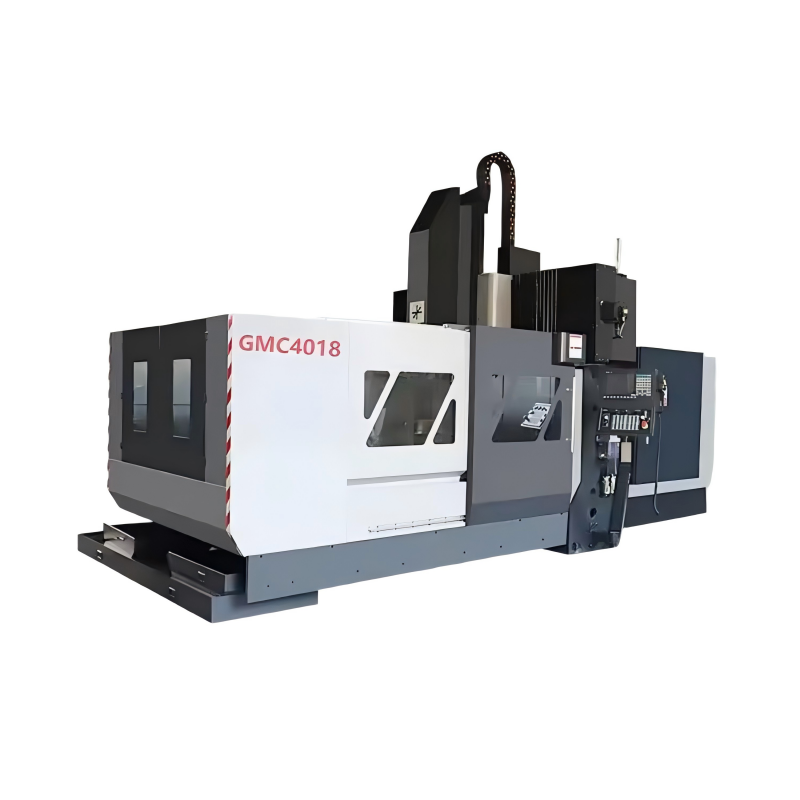
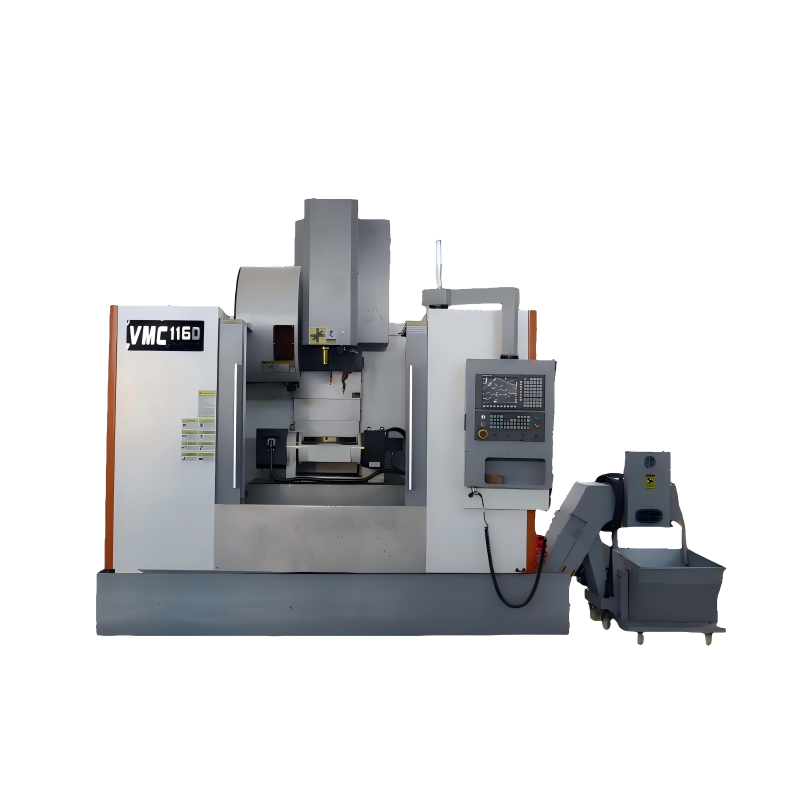
Choosing the right Horizontal 2-Axis CNC Lathe is a critical decision for any manufacturing or machining operation. The selection process involves considering various factors to ensure that the chosen machine not only meets your current needs but also provides flexibility and scalability for future growth. This technical report aims to provide valuable insights into the key considerations when selecting a Horizontal 2-Axis CNC Lathe, ensuring that you make an informed decision.
The first step in choosing the appropriate Horizontal 2-Axis CNC Lathe is to thoroughly understand your specific machining requirements. This includes the types of materials you will be working with, the complexity of the parts, and the production volume. Different materials, such as steel, aluminum, or plastics, may require different tooling and cutting parameters. Additionally, the complexity of the parts, such as the number of features and tolerances, will influence the type of lathe you need. High-volume production may benefit from a more robust and efficient machine, while low-volume or prototype work might be better suited to a more versatile and cost-effective option.
Once you have a clear understanding of your machining requirements, the next step is to evaluate the specifications and capabilities of the available Horizontal 2-Axis CNC Lathes. Key specifications to consider include the maximum turning diameter, maximum turning length, spindle speed, and power. These parameters will determine whether the machine can handle the size and complexity of the parts you need to produce. Additionally, the machine's control system, tooling options, and automation capabilities should be assessed. A well-designed control system with advanced features can significantly improve productivity and accuracy. Tooling options, such as live tooling and C-axis capabilities, can expand the machine's versatility, allowing for more complex operations. Automation features, such as automatic tool changers and bar feeders, can enhance efficiency and reduce labor costs.
Reliability and maintenance are crucial factors to consider when selecting a Horizontal 2-Axis CNC Lathe. A reliable machine will minimize downtime and ensure consistent production. Look for machines with a proven track record of reliability and durability. Check for user reviews and feedback from other manufacturers who have used the same model. Additionally, consider the availability of spare parts and the ease of maintenance. Machines that are easy to maintain and have readily available spare parts will reduce the time and cost associated with repairs and upkeep. Regular maintenance schedules and support from the manufacturer can also play a significant role in ensuring the long-term reliability of the machine.
While the initial purchase price is an important consideration, it is equally important to assess the total cost of ownership (TCO) of the Horizontal 2-Axis CNC Lathe. TCO includes not only the purchase price but also ongoing costs such as maintenance, energy consumption, and operator training. A machine with a higher initial cost may have lower operating costs over its lifetime, making it a more cost-effective choice in the long run. Consider the energy efficiency of the machine, as this can have a significant impact on your utility bills. Additionally, the cost of operator training and the availability of skilled operators should be factored in. Some machines may require specialized training, which can add to the overall cost.
Finally, it is essential to choose a Horizontal 2-Axis CNC Lathe that offers scalability and flexibility to meet your future needs. As your business grows, your machining requirements may change. A machine that can be easily upgraded or expanded, such as adding additional axes or tooling, will provide greater flexibility. Consider the machine's software and control system, as these can often be updated to accommodate new features and capabilities. Additionally, the machine's compatibility with other equipment in your shop, such as material handling systems and inspection devices, should be evaluated. A machine that integrates seamlessly with your existing infrastructure will enhance your overall production efficiency.
In conclusion, selecting the right Horizontal 2-Axis CNC Lathe requires a thorough evaluation of your specific machining requirements, machine specifications and capabilities, reliability and maintenance, total cost of ownership, and future scalability and flexibility. By carefully considering these factors, you can make an informed decision that will enhance your production capabilities and contribute to the long-term success of your operation.
 25/06/2026
The development of Horizontal 2-Axis CNC Lathe technology has significantly impacted the metalworking industry, transforming traditional manufacturing processes into more efficient and precise operations. This report delves into the key aspects of how the
Read More25/06/2026Introduction to Horizontal 2-Axis CNC LathesThe advent of Computer Numerical Control (CNC) technology has revolutionized the manufacturing industry, particularly in the domain of precision machining. Among the various types of CNC machines, the horizontal
Read More24/06/2026The Horizontal 2-Axis CNC Lathe is a powerful tool in the manufacturing industry, designed for precision and efficiency. This guide aims to provide a thorough understanding of how to operate this machine, from basic principles to advanced techniques, ensu
Read More24/06/2026The evolution of manufacturing technologies has led to the development of increasingly sophisticated machinery, with the Horizontal 2-Axis CNC Lathe standing out as a critical tool in modern production. This comprehensive guide aims to provide an in-depth
Read More24/06/2026Horizontal 2-Axis CNC Lathes are a vital component in modern manufacturing, offering precision and efficiency that can significantly enhance productivity. This report explores the various ways in which a Horizontal 2-Axis CNC Lathe can be utilized to maxi
Read More24/06/2026In the rapidly evolving landscape of manufacturing, the integration of advanced technologies is reshaping traditional processes. One such technology that stands out in the context of Industry 4.0 is the Horizontal 2-Axis CNC Lathe. This report delves into
Read More24/06/2026When it comes to precision machining, the Horizontal 2-Axis CNC Lathe stands out as a critical tool for manufacturers across various industries. This type of lathe is designed to provide high accuracy and efficiency, making it an essential piece of equipm
Read More23/06/2026Understanding the Basics of a Horizontal 2-Axis CNC LatheA Horizontal 2-Axis CNC Lathe is a sophisticated piece of machinery used in manufacturing for performing complex and precise machining operations. This type of lathe operates along two primary axes,
Read More23/06/2026Introduction to Horizontal 2-Axis CNC Lathe The advent of computer numerical control (CNC) technology has transformed the manufacturing industry, enabling precision and efficiency in the production process. Among the various types of CNC machines, the hor
Read More23/06/2026In the realm of advanced manufacturing, the Floor Type Horizontal Machining Center and the Horizontal 2-Axis CNC Lathe stand out as pivotal pieces of equipment. Both are essential in the production of high-precision components, but they serve different pu
Read More23/06/2026In recent years, the global manufacturing landscape has witnessed a significant shift towards adopting advanced machining solutions. Among these, the Horizontal 2-Axis CNC Lathe has emerged as a critical tool for precision engineering. This technical repo
Read More23/06/2026Understanding the Basics of a Horizontal 2-Axis CNC LatheA Horizontal 2-Axis CNC Lathe is an advanced machine tool that plays a crucial role in modern manufacturing. It operates on two axes, the X-axis (horizontal) and Z-axis (vertical), allowing for prec
Read More23/06/2026Horizontal 2-Axis CNC Lathes have been a cornerstone of precision manufacturing for decades, but recent advancements in technology are transforming their capabilities and applications. This report delves into the latest innovations that are redefining the
Read More23/06/2026A Horizontal 2-Axis CNC Lathe is a versatile machine tool, widely used in manufacturing for its precision and efficiency. This guide aims to provide a comprehensive overview of the maintenance procedures necessary to ensure optimal performance and longevi
Read More22/06/2026In the metalworking industry, the quest for efficiency and precision is a never-ending pursuit. Among the various innovations that have emerged to meet this demand, the Horizontal 2-Axis CNC Lathe, particularly in its slant bed configuration, stands out a
Read More22/06/2026In the realm of precision machining, the Horizontal 2-Axis CNC Lathe stands as a cornerstone for manufacturers seeking to produce high-quality parts with efficiency. This machine's versatility and capability in turning operations make it an essential tool
Read More22/06/2026The development of modern manufacturing has been significantly influenced by advancements in machine tools, with Horizontal 2-Axis CNC Lathes playing a pivotal role. These machines have revolutionized the way parts are machined, offering unparalleled prec
Read More22/06/2026The advent of computer numerical control (CNC) technology has revolutionized the manufacturing industry, enabling precise and efficient production processes. Among the various types of CNC machines, the Horizontal 2-Axis CNC Lathe stands out for its versa
Read MoreOur professional sales team is always ready to assist you.