The advent of Computer Numerical Control (CNC) technology has revolutionized the manufacturing industry, particularly in the domain of precision machining. Among the various types of CNC machines, the horizontal 2-axis CNC Lathe stands out for its versatility and efficiency in producing cylindrical parts. This type of machine operates on two primary axes: X and Z, where the X-axis controls the cross-slide movement and the Z-axis manages the spindle's longitudinal motion. The combination of these movements allows for the creation of complex geometries with high accuracy and repeatability.
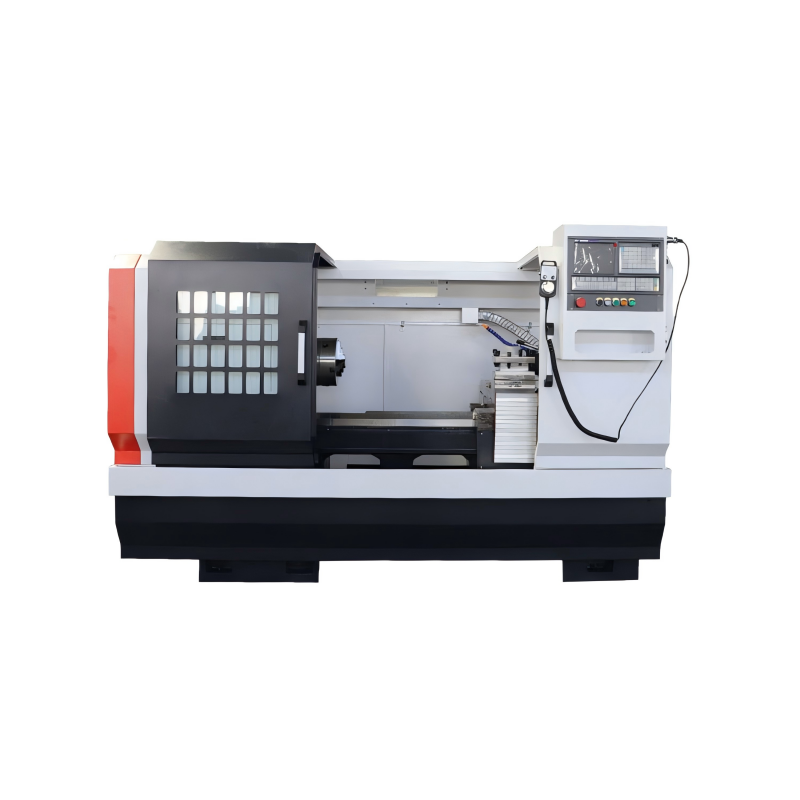
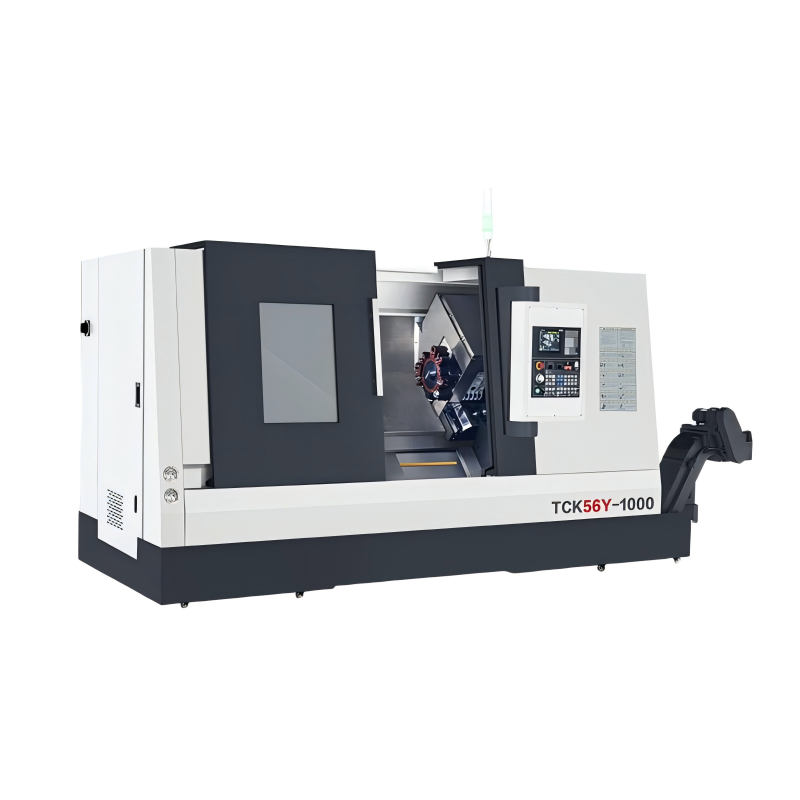
A key feature distinguishing the Horizontal 2-Axis CNC Lathe from other types of lathes is its design, which places the workpiece parallel to the floor. This orientation provides several advantages, including better chip evacuation and easier part loading/unloading. The core components of a typical horizontal 2-axis CNC lathe include the headstock, tailstock, carriage, tool turret, and control system. The headstock houses the main spindle, driven by a motor that can achieve variable speeds to accommodate different materials and cutting conditions. The tailstock, positioned opposite the headstock, supports the workpiece and can be adjusted to accommodate varying lengths. Meanwhile, the carriage, which moves along the bed, carries the tool turret, enabling it to perform turning, facing, drilling, and threading operations. Integrated into this mechanical setup is a sophisticated control system, often based on G-code, that translates digital designs into precise physical movements, ensuring consistent quality across production runs.
The ability of a Horizontal 2-Axis CNC Lathe to handle a wide range of materials, from soft metals like aluminum to harder alloys such as stainless steel, underscores its importance in modern manufacturing. The choice of cutting tools, including inserts, drills, and reamers, plays a crucial role in determining the efficiency and quality of the machining process. Advanced coatings and geometries are utilized to enhance tool life and improve surface finish. Moreover, the use of coolant not only helps in maintaining optimal cutting temperatures but also aids in removing chips, thereby extending tool longevity and improving overall productivity. By carefully selecting the right parameters, including speed, feed, and depth of cut, operators can optimize the performance of their CNC lathes, achieving higher throughput while maintaining tight tolerances.
In today’s fast-paced manufacturing landscape, the integration of automation technologies with horizontal 2-axis CNC lathes is becoming increasingly prevalent. Automated systems, such as bar feeders and robotic arms, can significantly reduce cycle times and minimize manual intervention, leading to increased efficiency and reduced labor costs. Additionally, the incorporation of sensors and real-time monitoring systems enables predictive maintenance, allowing for proactive measures to be taken before issues arise, thus minimizing downtime. Furthermore, the ability to network multiple machines through a central control system facilitates seamless communication and coordination, enhancing the overall flexibility and responsiveness of the production line. As industries continue to evolve, the role of horizontal 2-axis CNC lathes in automated and integrated manufacturing environments will only become more critical, driving advancements in both hardware and software solutions.
Despite their numerous benefits, operating horizontal 2-axis CNC lathes presents certain challenges that must be addressed to ensure optimal performance. One common issue is the management of heat generated during the cutting process, which can affect both the workpiece and the cutting tool. Effective cooling strategies, such as the use of high-pressure coolants and optimized tool paths, can mitigate this problem. Another challenge is the need for skilled operators who can program and maintain these machines. Training programs and user-friendly interfaces can help bridge this skills gap, making it easier for operators to master the intricacies of CNC programming. Finally, the continuous evolution of materials and machining requirements necessitates ongoing research and development to keep up with industry demands. Innovations in tooling, software, and machine design are essential to overcoming these challenges and ensuring that horizontal 2-axis CNC lathes remain at the forefront of precision machining.
 25/06/2026
The development of Horizontal 2-Axis CNC Lathe technology has significantly impacted the metalworking industry, transforming traditional manufacturing processes into more efficient and precise operations. This report delves into the key aspects of how the
Read More25/06/2026Choosing the right Horizontal 2-Axis CNC Lathe is a critical decision for any manufacturing or machining operation. The selection process involves considering various factors to ensure that the chosen machine not only meets your current needs but also pro
Read More24/06/2026The Horizontal 2-Axis CNC Lathe is a powerful tool in the manufacturing industry, designed for precision and efficiency. This guide aims to provide a thorough understanding of how to operate this machine, from basic principles to advanced techniques, ensu
Read More24/06/2026The evolution of manufacturing technologies has led to the development of increasingly sophisticated machinery, with the Horizontal 2-Axis CNC Lathe standing out as a critical tool in modern production. This comprehensive guide aims to provide an in-depth
Read More24/06/2026Horizontal 2-Axis CNC Lathes are a vital component in modern manufacturing, offering precision and efficiency that can significantly enhance productivity. This report explores the various ways in which a Horizontal 2-Axis CNC Lathe can be utilized to maxi
Read More24/06/2026In the rapidly evolving landscape of manufacturing, the integration of advanced technologies is reshaping traditional processes. One such technology that stands out in the context of Industry 4.0 is the Horizontal 2-Axis CNC Lathe. This report delves into
Read More24/06/2026When it comes to precision machining, the Horizontal 2-Axis CNC Lathe stands out as a critical tool for manufacturers across various industries. This type of lathe is designed to provide high accuracy and efficiency, making it an essential piece of equipm
Read More23/06/2026Understanding the Basics of a Horizontal 2-Axis CNC LatheA Horizontal 2-Axis CNC Lathe is a sophisticated piece of machinery used in manufacturing for performing complex and precise machining operations. This type of lathe operates along two primary axes,
Read More23/06/2026Introduction to Horizontal 2-Axis CNC Lathe The advent of computer numerical control (CNC) technology has transformed the manufacturing industry, enabling precision and efficiency in the production process. Among the various types of CNC machines, the hor
Read More23/06/2026In the realm of advanced manufacturing, the Floor Type Horizontal Machining Center and the Horizontal 2-Axis CNC Lathe stand out as pivotal pieces of equipment. Both are essential in the production of high-precision components, but they serve different pu
Read More23/06/2026In recent years, the global manufacturing landscape has witnessed a significant shift towards adopting advanced machining solutions. Among these, the Horizontal 2-Axis CNC Lathe has emerged as a critical tool for precision engineering. This technical repo
Read More23/06/2026Understanding the Basics of a Horizontal 2-Axis CNC LatheA Horizontal 2-Axis CNC Lathe is an advanced machine tool that plays a crucial role in modern manufacturing. It operates on two axes, the X-axis (horizontal) and Z-axis (vertical), allowing for prec
Read More23/06/2026Horizontal 2-Axis CNC Lathes have been a cornerstone of precision manufacturing for decades, but recent advancements in technology are transforming their capabilities and applications. This report delves into the latest innovations that are redefining the
Read More23/06/2026A Horizontal 2-Axis CNC Lathe is a versatile machine tool, widely used in manufacturing for its precision and efficiency. This guide aims to provide a comprehensive overview of the maintenance procedures necessary to ensure optimal performance and longevi
Read More22/06/2026In the metalworking industry, the quest for efficiency and precision is a never-ending pursuit. Among the various innovations that have emerged to meet this demand, the Horizontal 2-Axis CNC Lathe, particularly in its slant bed configuration, stands out a
Read More22/06/2026In the realm of precision machining, the Horizontal 2-Axis CNC Lathe stands as a cornerstone for manufacturers seeking to produce high-quality parts with efficiency. This machine's versatility and capability in turning operations make it an essential tool
Read More22/06/2026The development of modern manufacturing has been significantly influenced by advancements in machine tools, with Horizontal 2-Axis CNC Lathes playing a pivotal role. These machines have revolutionized the way parts are machined, offering unparalleled prec
Read More22/06/2026The advent of computer numerical control (CNC) technology has revolutionized the manufacturing industry, enabling precise and efficient production processes. Among the various types of CNC machines, the Horizontal 2-Axis CNC Lathe stands out for its versa
Read MoreOur professional sales team is always ready to assist you.