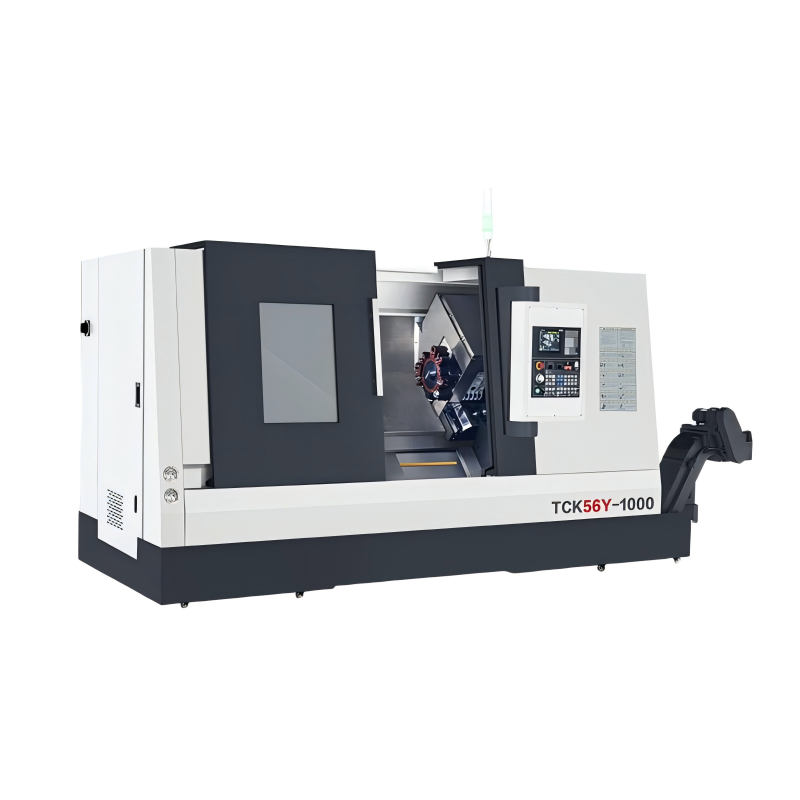
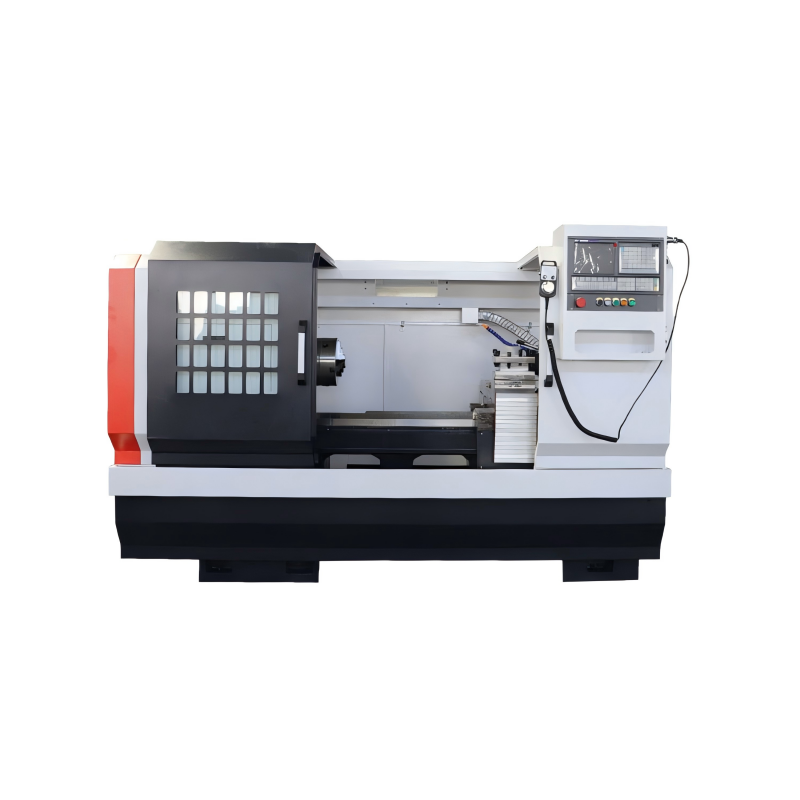
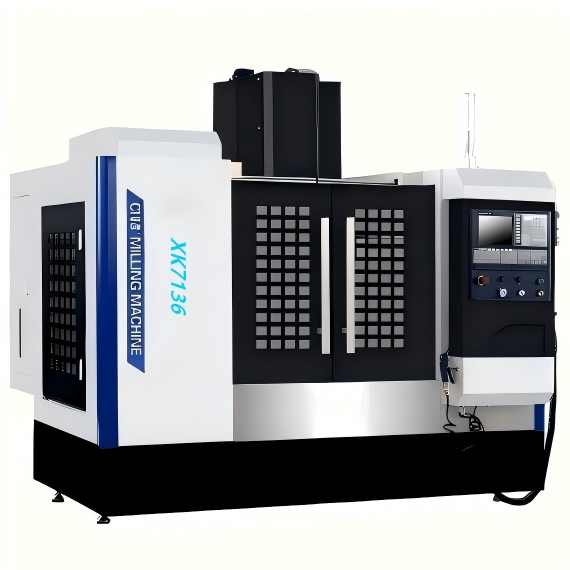
A 2-Axis CNC (Computer Numerical Control) turning center is a versatile machine used in manufacturing to produce cylindrical parts. These machines are capable of performing operations such as drilling, boring, threading, and facing, all with high precision. The two axes refer to the X-axis, which controls the movement of the tool carriage, and the Z-axis, which manages the spindle's motion. This setup allows for efficient production of complex parts by automating the machining process, thereby reducing human error and increasing productivity. To fully leverage the capabilities of a 2-Axis CNC Turning Center, it is essential to understand its fundamental principles, including how these axes interact during operation.
Selecting the right tools is crucial for maximizing the efficiency of a 2-Axis CNC turning center. Different materials and part geometries require specific cutting tools that can handle the demands of the job without compromising on quality or speed. For instance, when working with harder metals like steel, carbide-tipped tools are often preferred due to their durability and ability to maintain sharpness over longer periods. Conversely, for softer materials such as aluminum, high-speed steel (HSS) tools may be more appropriate because they offer a good balance between cost and performance. Regular inspection and timely replacement of worn-out tools also play a vital role in maintaining optimal machine performance. By carefully choosing and managing your tool inventory, you can significantly enhance the output and longevity of your 2-Axis CNC turning center.
The programming of a 2-Axis CNC turning center directly influences its operational efficiency. Modern CNC systems come equipped with sophisticated software that enables programmers to create detailed instructions for the machine to follow. An effective programming strategy involves not only specifying the exact movements required but also optimizing the sequence of operations to minimize non-cutting time. This can include strategies like reordering tasks to reduce tool changes or incorporating macro programs for repetitive tasks, thus saving valuable machining time. Additionally, utilizing simulation features within the software can help identify potential issues before the actual run, preventing costly mistakes and downtime. Mastery of these programming techniques ensures that your 2-Axis CNC turning center operates at its peak efficiency, delivering consistent and high-quality results.
To ensure the long-term reliability and performance of a 2-Axis CNC turning center, regular maintenance is indispensable. A well-maintained machine not only performs better but also lasts longer, providing a higher return on investment. Key maintenance activities include cleaning the machine regularly to prevent build-up of debris, lubricating moving parts to reduce wear, and checking for any signs of damage or malfunction. It's also important to calibrate the machine periodically to ensure accuracy in measurements and movements. By following a structured maintenance schedule, operators can address minor issues before they escalate into major problems, thereby minimizing unexpected downtimes and repair costs. Implementing a proactive approach to maintenance will keep your 2-Axis CNC turning center running smoothly and efficiently.
Quality control is an integral part of operating a 2-Axis CNC turning center, ensuring that the produced parts meet the required specifications and standards. One effective way to maintain quality is through the use of in-process monitoring systems, which continuously check the dimensions and surface finish of the workpiece as it is being machined. This real-time feedback allows for immediate adjustments, if necessary, to correct any deviations from the desired outcome. Another critical aspect is the implementation of a robust inspection process after the completion of each batch, using precise measuring instruments like micrometers and CMMs (Coordinate Measuring Machines). Consistent adherence to these quality control practices helps in identifying and addressing any inconsistencies early, leading to improved overall product quality and customer satisfaction. Effective quality control measures are essential for the successful operation of a 2-Axis CNC turning center, contributing to its reputation as a reliable and efficient manufacturing solution.
 29/06/2026
In the realm of manufacturing, precision and efficiency are paramount. The advent and continuous evolution of Computer Numerical Control (CNC) technology have revolutionized how we produce components, with 2-Axis CNC Turning Centers being a key player in
Read More27/06/2026In the realm of precision manufacturing, a 2-Axis CNC Turning Center is an indispensable tool, offering unparalleled accuracy and efficiency. This guide aims to provide a comprehensive overview of maintenance practices for these machines, ensuring optimal
Read More26/06/2026In the realm of precision machining, a 2-Axis CNC Turning Center stands out as an indispensable tool for manufacturers. This machine offers a unique set of advantages that make it a preferred choice in various industrial applications. In this technical re
Read More26/06/2026IntroductionThe 2-Axis CNC Turning Center has become an indispensable tool in the aerospace industry, offering precision, efficiency, and versatility. This technical report explores advanced applications of 2-Axis CNC Turning Centers in aerospace manufact
Read More26/06/2026Introduction to 2-Axis CNC Turning Centers The advent of 2-axis CNC turning centers has revolutionized the manufacturing industry, providing a cost-effective solution for machining operations. These machines are designed to perform precise and efficient t
Read More26/06/2026In the rapidly evolving landscape of manufacturing, the integration of advanced technologies under the umbrella of Industry 4.0 is reshaping how industries operate. One such technology that stands at the forefront of this transformation is the 2-Axis CNC
Read More25/06/2026In the ever-evolving landscape of modern manufacturing, the 2-Axis CNC Turning Center has emerged as a pivotal tool for precision and efficiency. This technical report delves into the critical role that 2-Axis CNC Turning Centers play in contemporary manu
Read More25/06/2026Understanding the Core Components of a 2-Axis CNC Turning Center A 2-Axis CNC (Computer Numerical Control) turning center is a highly specialized machine designed for precision machining. It operates on two axes, typically the X-axis and Z-axis, enabling
Read More25/06/2026When it comes to precision machining, the 2-Axis CNC Turning Center is a cornerstone of modern manufacturing. These machines are designed to provide high-precision and efficient turning operations, making them indispensable in various industries. However,
Read More25/06/2026In the realm of automotive manufacturing, the introduction and continuous evolution of technologies like the 2-Axis CNC Turning Center have significantly transformed production processes. These advanced machines play a crucial role in shaping the efficien
Read More24/06/2026Choosing the right 2-Axis CNC Turning Center for your specific needs can be a daunting task, especially with the plethora of options available on the market. A 2-Axis CNC Turning Center is a critical piece of equipment in many manufacturing and engineerin
Read More24/06/2026In the modern manufacturing landscape, 2-Axis CNC Turning Centers have become indispensable tools for achieving high-volume production with precision and efficiency. These machines are designed to handle a wide range of materials and can produce complex p
Read More24/06/2026In the realm of precision manufacturing, the role of 2-Axis CNC Turning Centers cannot be overstated. These advanced machines are pivotal in producing high-accuracy components for a wide range of industries, from automotive to aerospace. This report delve
Read More24/06/2026The evolution of manufacturing technology has led to the development of advanced machinery that can produce high-precision parts with minimal human intervention. One such machine is the 2-Axis CNC Turning Center, which plays a crucial role in modern manuf
Read More23/06/2026In the realm of modern manufacturing, precision and efficiency are paramount. A 2-Axis CNC Turning Center is a critical tool that allows manufacturers to achieve these goals with unparalleled accuracy. This technical report delves into the intricacies of
Read More23/06/2026In the realm of precision machining, the 2-Axis CNC Turning Center stands out as a versatile and efficient solution for a wide range of manufacturing applications. This technology has revolutionized the way parts are produced, offering numerous advantages
Read More23/06/2026The manufacturing industry has witnessed a remarkable transformation over the past few decades, with advancements in technology playing a pivotal role. One such technological marvel that has significantly impacted the sector is the 2-Axis CNC Turning Cent
Read More23/06/2026Understanding the Basics of 2-Axis CNC Turning CentersThe advent of Computer Numerical Control (CNC) technology has revolutionized the manufacturing industry, enabling greater precision, efficiency, and flexibility in production processes. Among the vario
Read More22/06/2026In the world of precision manufacturing, the 2-Axis CNC Turning Center stands out as a versatile and indispensable tool. This technology has revolutionized the production processes for many industries, offering an efficient and accurate method to shape ma
Read More22/06/2026In the realm of precision machining, the 2-Axis CNC Turning Center stands out as a powerful tool for enhancing productivity and efficiency. This report delves into the capabilities, advantages, and applications of the 2-Axis CNC Turning Center, providing
Read More22/06/2026Introduction to 2-Axis CNC Turning CentersA 2-Axis CNC (Computer Numerical Control) turning center is a type of machine tool used for shaping metal, plastic, and other materials. This device operates along two axes, the X-axis and the Z-axis, which are cr
Read More22/06/2026In the realm of precision machining, 2-Axis CNC Turning Centers stand out as versatile and efficient tools for producing high-quality parts. This report delves into the capabilities of these machines, exploring their advantages, applications, and the tech
Read MoreOur professional sales team is always ready to assist you.