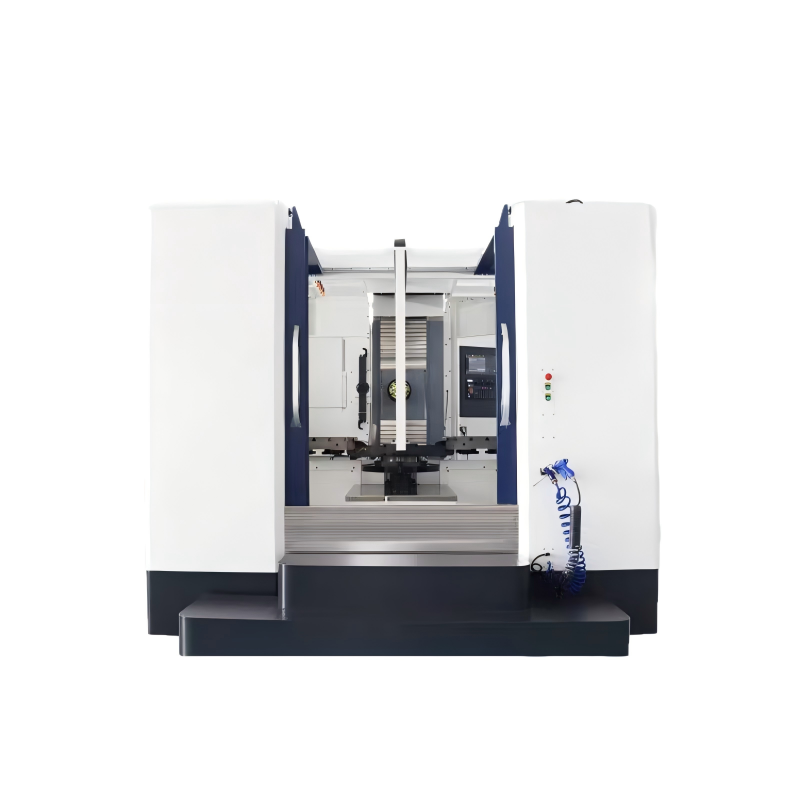
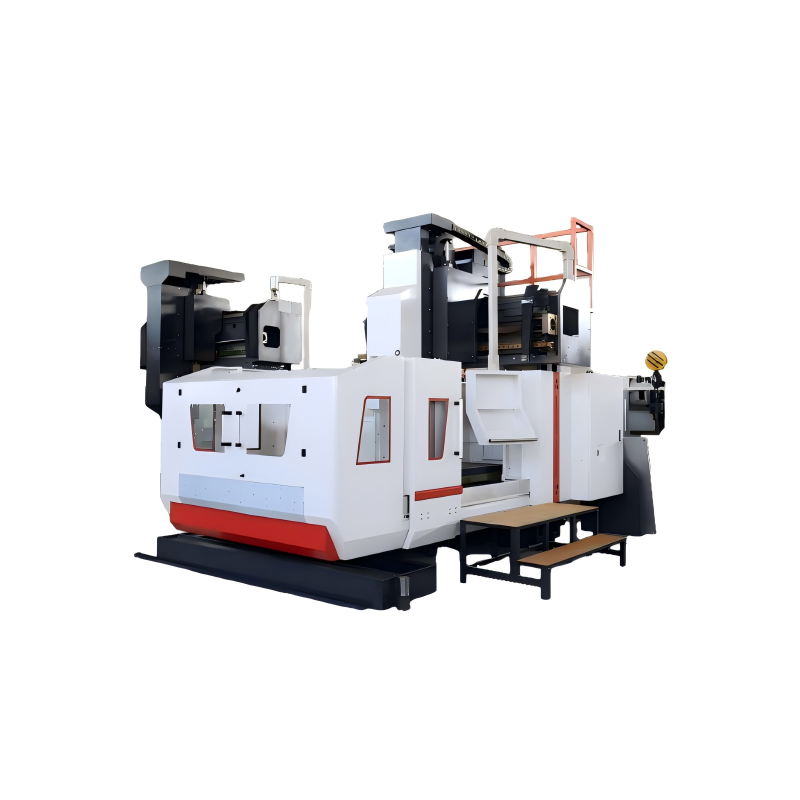
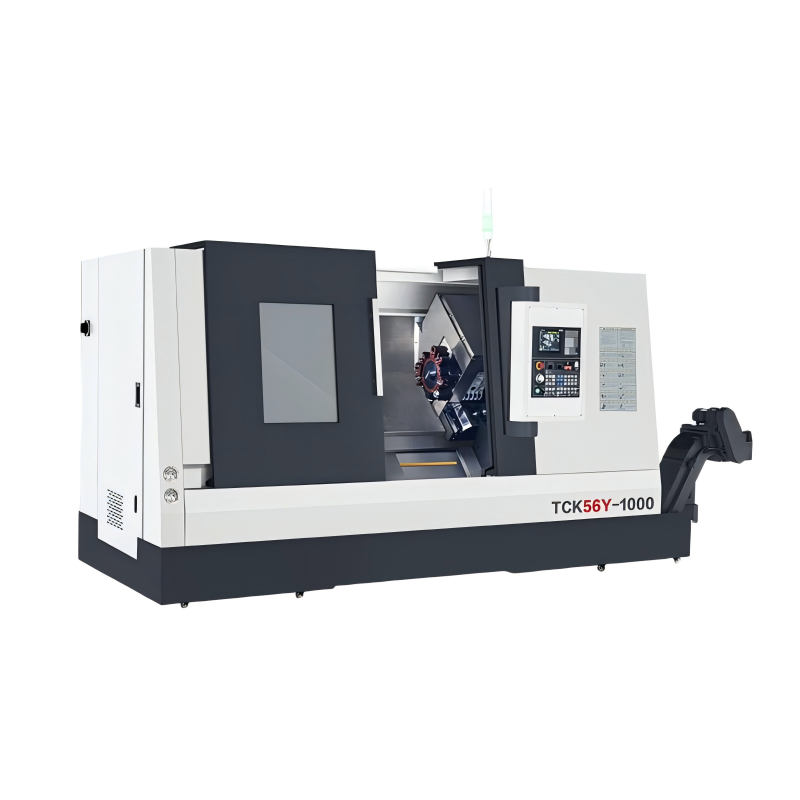
In the realm of precision machining, CNC lathes have become indispensable tools for manufacturing high-accuracy components. Among these, the Economic 2-Axis CNC Lathe and Heavy duty CNC Lathe stand out due to their unique capabilities and applications. This report delves into the advanced features, performance, and practical uses of heavy duty CNC lathes, providing a comprehensive understanding of their role in modern industrial settings.
Heavy duty CNC lathes are designed to handle large, complex, and high-tolerance parts, making them ideal for industries such as aerospace, automotive, and heavy machinery. These machines are built with robust construction and powerful motors, enabling them to perform continuous, high-speed operations without compromising on accuracy. The fundamental design includes a sturdy bed, a spindle with high torque, and a versatile tooling system that can accommodate various cutting tools.
The key to the efficiency of heavy duty CNC lathes lies in their ability to maintain precision over long periods. This is achieved through advanced control systems, rigid machine structures, and precise alignment mechanisms. Additionally, these lathes often come equipped with automated features like automatic tool changers, which minimize downtime and increase productivity.
One of the primary advantages of using heavy duty CNC lathes is their versatility. These machines can handle a wide range of materials, from soft metals like aluminum to hard alloys like stainless steel and titanium. This versatility makes them suitable for a variety of applications, including turning, threading, drilling, and milling. Moreover, the high rigidity and stability of these lathes ensure consistent quality, even when working with large and heavy workpieces.
Another significant advantage is the increased productivity they offer. With features like high-speed spindles, rapid traverse rates, and multi-axis capabilities, heavy duty CNC lathes can complete complex tasks in a single setup. This not only reduces the need for multiple setups but also minimizes the risk of errors, leading to higher overall efficiency. Furthermore, the integration of advanced software and automation technologies allows for the optimization of machining processes, resulting in faster production cycles and lower costs.
While both the Economic 2-Axis CNC Lathe and the Heavy Duty CNC Lathe serve the purpose of precision machining, they cater to different needs and applications. The Economic 2-Axis CNC Lathe is typically used for smaller, less complex parts and is more cost-effective. It is ideal for small to medium-sized businesses that require high-precision machining without the need for handling large or heavy workpieces. The 2-axis configuration limits its capabilities to basic turning and drilling operations, but it excels in these areas, providing excellent value for money.
In contrast, the Heavy Duty CNC Lathe is designed for larger, more complex parts and is capable of handling a wider range of materials and operations. Its robust construction and advanced features make it suitable for high-volume production and demanding industrial environments. The multi-axis capabilities, high torque, and powerful motors allow it to perform a variety of tasks, from simple turning to intricate milling and threading. While it comes at a higher initial cost, the long-term benefits in terms of productivity, versatility, and durability make it a worthwhile investment for large-scale manufacturing operations.
Real-world applications of heavy duty CNC lathes provide valuable insights into their effectiveness and impact on industrial processes. In the aerospace industry, these lathes are used to manufacture critical components such as engine parts, landing gear, and structural elements. The high precision and reliability of these machines ensure that the parts meet the stringent quality standards required in this sector. For example, a major aerospace manufacturer recently implemented a fleet of heavy duty CNC lathes, resulting in a 20% increase in production efficiency and a 15% reduction in scrap rates.
In the automotive industry, heavy duty CNC lathes play a crucial role in the production of engine blocks, transmission components, and other high-precision parts. The ability to handle large workpieces and perform complex operations in a single setup has significantly reduced production times and costs. A leading automotive company reported a 30% improvement in throughput and a 25% reduction in labor costs after upgrading to heavy duty CNC lathes.
Similarly, in the heavy machinery sector, these lathes are used to produce large gears, shafts, and other components that require high strength and durability. The robust construction and high torque of heavy duty CNC lathes enable them to handle the toughest materials and deliver consistent results. A case study from a heavy machinery manufacturer highlighted a 40% increase in production capacity and a 20% decrease in maintenance costs, demonstrating the long-term benefits of investing in these advanced machines.
The field of CNC lathe technology is continuously evolving, with new innovations and trends emerging to enhance the capabilities and efficiency of these machines. One of the most significant trends is the integration of Industry 4.0 technologies, such as the Internet of Things (IoT), artificial intelligence (AI), and machine learning. These technologies enable real-time monitoring, predictive maintenance, and data-driven decision-making, leading to improved performance and reduced downtime.
Another trend is the development of more energy-efficient and environmentally friendly machines. Manufacturers are focusing on reducing power consumption, minimizing waste, and using sustainable materials in the construction of CNC lathes. This not only helps in reducing operational costs but also aligns with the growing emphasis on sustainability in the manufacturing industry.
Additionally, there is a growing demand for more user-friendly and intuitive interfaces. Modern CNC lathes are being designed with advanced software that simplifies programming, setup, and operation. This makes it easier for operators to use the machines, reducing the learning curve and increasing overall productivity. As these trends continue to develop, the future of heavy duty CNC lathes looks promising, with the potential to further revolutionize the manufacturing landscape.
In conclusion, heavy duty CNC lathes are essential tools in modern manufacturing, offering unparalleled precision, versatility, and productivity. Their robust construction, advanced features, and wide range of applications make them indispensable in industries such as aerospace, automotive, and heavy machinery. By understanding the fundamentals, advantages, and real-world applications of these machines, manufacturers can make informed decisions and leverage their full potential to drive innovation and growth.
 30/06/2026
In the realm of small-scale manufacturing, finding cost-effective yet efficient solutions is paramount. One such solution that has gained significant traction among small businesses is the Economic 2-Axis CNC Lathe. This technology not only offers precisi
Read More29/06/2026In the realm of precision engineering, the advent of advanced machining technologies has significantly transformed manufacturing processes. Among these, the Slant Bed Pipe Threading CNC Lathe stands out as a versatile and efficient solution for complex pr
Read More29/06/2026With the rapid development of China's manufacturing sector, the demand for high-precision machining tools has surged. Among these, the Economic 2-Axis CNC Lathe stands out as a crucial piece of equipment, playing an essential role in various industries. T
Read More29/06/2026The Rise of China in Precision ManufacturingIn recent years, China has emerged as a global leader in the manufacturing sector, particularly in the production of precision lathes. This transformation is driven by a combination of factors, including technol
Read More29/06/2026The manufacturing industry has been undergoing a significant transformation, driven by the increasing demand for precision and efficiency. At the heart of this revolution is the Economic 2-Axis CNC Lathe, a key component in China's precision lathe technol
Read More29/06/2026When it comes to enhancing the productivity and efficiency of a workshop, choosing the right CNC lathe with a flat bed is a critical decision. This article aims to guide you through the process of selecting an Economic 2-Axis CNC Lathe that best meets you
Read More27/06/2026The advent of advanced manufacturing technologies has revolutionized the way industries produce goods, with CNC (Computer Numerical Control) lathes playing a pivotal role. Among these, the Economic 2-Axis CNC Lathe stands out as a cost-effective and effic
Read More26/06/2026In the rapidly evolving landscape of manufacturing, the economic 2-axis CNC lathe stands out as a critical component, driving efficiency and precision in various industries. This report delves into the future trends that are expected to shape the developm
Read More26/06/2026The evolution of manufacturing technologies has significantly transformed how businesses operate, with Computer Numerical Control (CNC) lathes becoming a cornerstone in precision machining. Among these, the Economic 2-Axis CNC Lathe stands out for its bal
Read More26/06/2026With the rapid advancements in manufacturing technology, companies are increasingly looking towards more efficient and cost-effective solutions for their production needs. One such solution is the Economic 2-Axis CNC Lathe, which offers a balance between
Read More25/06/2026With the rapid development of manufacturing technologies, 2-Axis CNC Lathes have become a cornerstone in the production of precision parts. These machines offer a cost-effective solution for turning operations, making them an attractive option for small t
Read More25/06/2026In the modern manufacturing landscape, the economic 2-axis CNC lathe stands out as a cost-effective yet highly efficient solution for various machining tasks. This report aims to guide operators through the learning curve associated with mastering this pi
Read More25/06/2026In the realm of precision machining, the economic 2-axis CNC lathe stands out as a versatile and cost-effective solution for many small to medium-sized manufacturing operations. This article explores key features that buyers should consider when investing
Read More24/06/2026In the world of manufacturing, precision and efficiency are paramount. As technology advances, so do the tools that manufacturers rely on to produce high-quality components. One such tool that stands out for its versatility and accuracy is the Economic 2-
Read More24/06/2026In the ever-evolving landscape of manufacturing, the quest for higher profit margins is a constant. One effective way to achieve this is through the adoption of advanced yet cost-effective machinery, such as the Economic 2-Axis CNC Lathe. This report will
Read More24/06/2026Investing in an Economic 2-Axis CNC Lathe is a significant step towards enhancing the efficiency and precision of your manufacturing processes. However, to ensure that your investment continues to deliver optimal performance over time, regular maintenance
Read More24/06/2026The landscape of manufacturing has been continuously evolving, driven by advancements in technology and the ever-growing demand for efficiency. One such area that has seen significant progress is the field of 2-Axis CNC (Computer Numerical Control) Lathes
Read More23/06/2026In the rapidly evolving landscape of modern manufacturing, the role of advanced machinery cannot be overstated. Among these, the Economic 2-Axis CNC Lathe stands out as a versatile and efficient solution for various machining needs. This report delves int
Read More23/06/2026The Economic 2-Axis CNC Lathe represents a significant advancement in the field of manufacturing, offering an affordable yet efficient solution for many machining needs. This type of lathe is particularly popular among small to medium-sized enterprises du
Read More23/06/2026Introduction to 2-Axis CNC Lathes in Modern ManufacturingIn the rapidly evolving landscape of precision engineering, the Economic 2-Axis CNC Lathe has emerged as a pivotal tool. These machines are designed to offer high-precision machining capabilities wh
Read More23/06/2026The economic 2-axis CNC lathe is an essential tool for many manufacturing processes, offering precision, efficiency, and cost-effectiveness. This guide aims to provide a comprehensive overview of the key factors to consider when selecting the right econom
Read More22/06/2026In the realm of precision manufacturing, the economic 2-axis CNC lathe stands out as a cost-effective solution for many small to medium-sized enterprises. This report aims to explore how businesses can maximize productivity with an economic 2-axis CNC lat
Read More22/06/2026In today’s competitive manufacturing landscape, small businesses often face the challenge of balancing productivity with cost. One solution that has gained significant traction is the Economic 2-Axis CNC Lathe. This machine offers a blend of efficiency an
Read More22/06/2026Introduction to the Economic 2-Axis CNC Lathe The economic 2-axis CNC lathe has become a cornerstone in modern manufacturing, offering a blend of precision and cost-effectiveness that makes it an attractive option for many industries. This type of lathe i
Read MoreOur professional sales team is always ready to assist you.