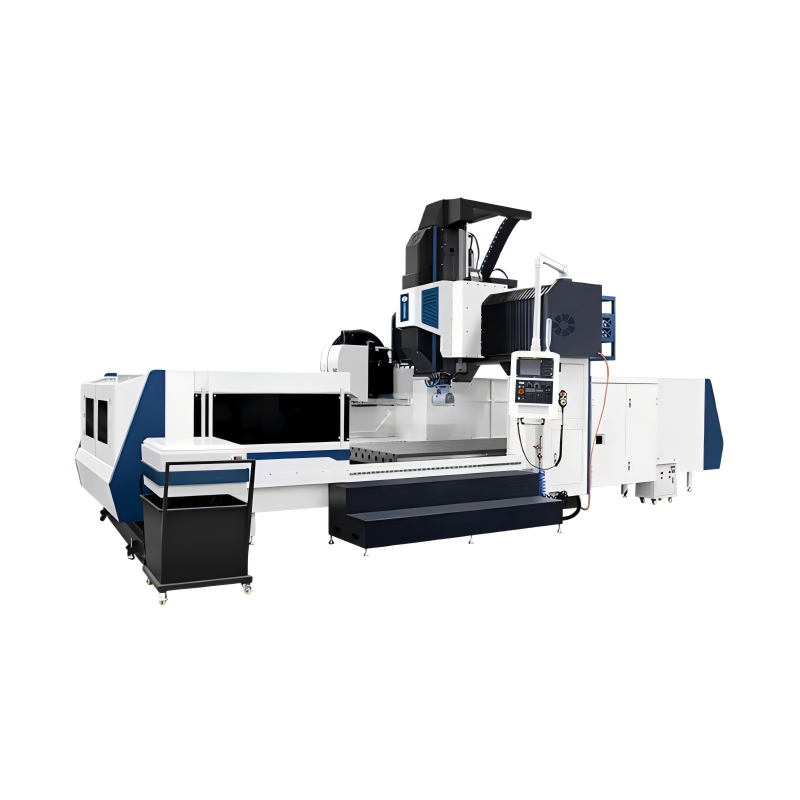
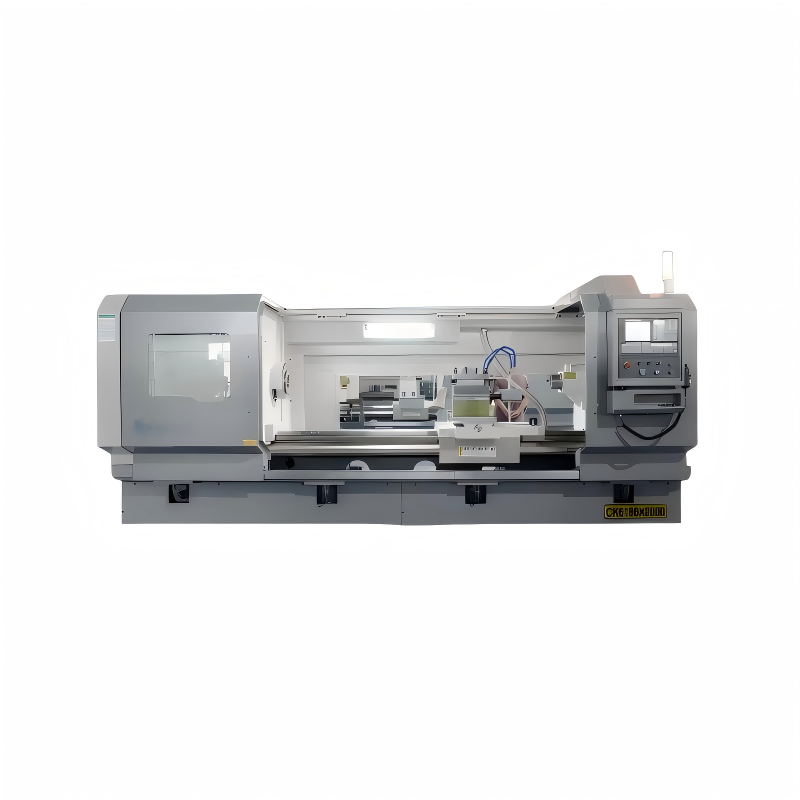
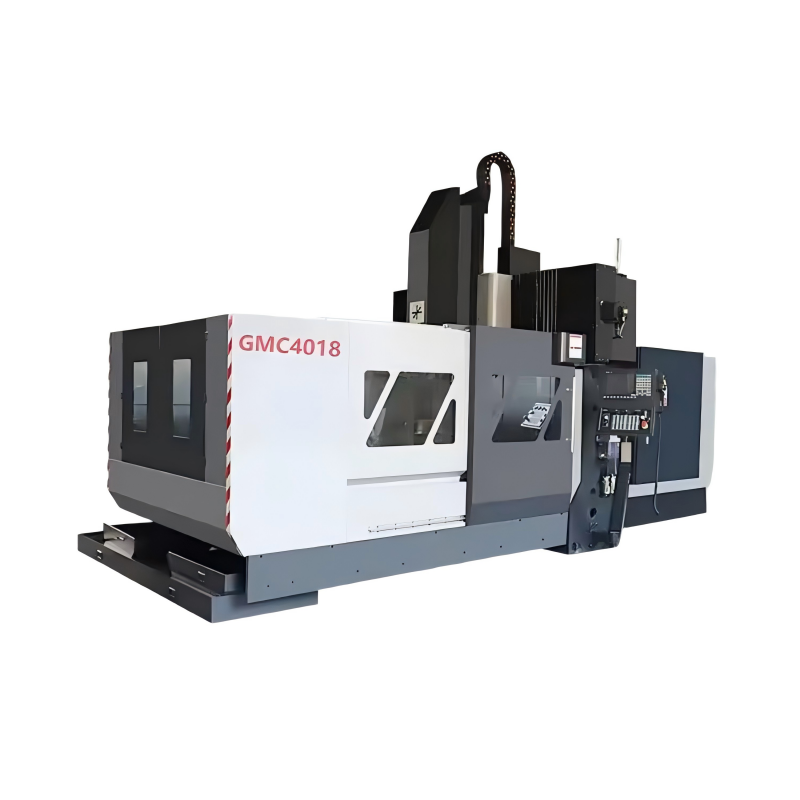
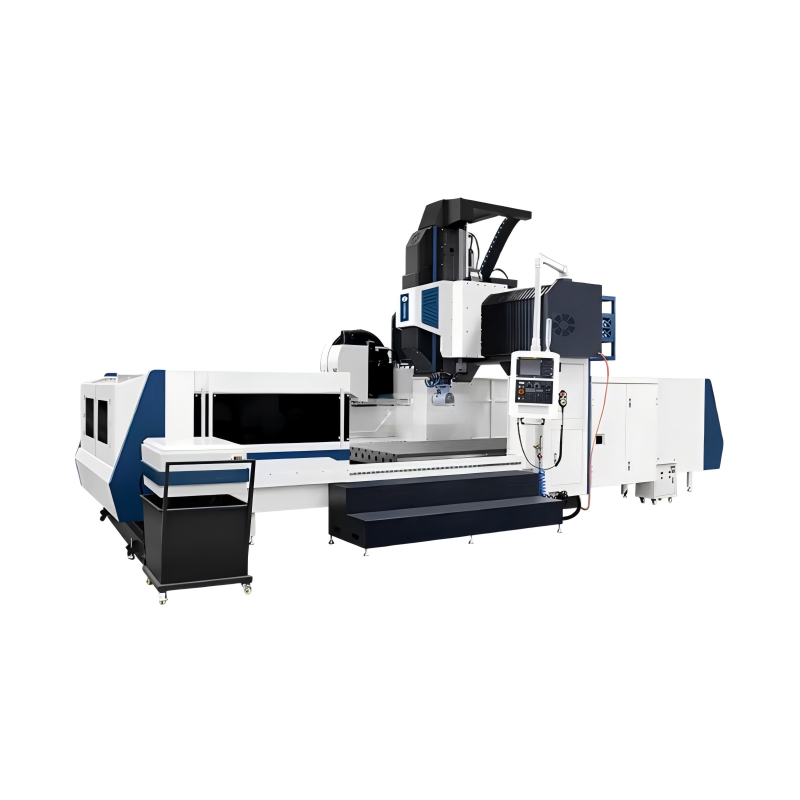
Vertical Machining Centers (VMCs) have long been a cornerstone of modern manufacturing, providing the precision and efficiency required for a wide range of industrial applications. As technology continues to evolve, so too does the design and functionality of VMCs. This report delves into the latest innovations in Linear Guideway VMC technology, examining how these advancements are reshaping the landscape of machining operations. By exploring key developments, we aim to provide valuable insights for Vertical Machining Center Supplier and end-users alike.
The introduction of advanced linear guideways has marked a significant leap forward in the performance of VMCs. These new designs incorporate high-precision rolling elements that reduce friction and increase load-bearing capacity. For a Vertical Machining Center Supplier, this means offering machines with enhanced accuracy and stability, which are critical for achieving tight tolerances in complex parts. The use of preloaded ball screws and linear scales further ensures that the machine maintains its precision over extended periods of operation, reducing the need for frequent recalibration and maintenance.
One of the key benefits of these innovative guideways is their ability to handle high-speed operations without compromising on accuracy. The reduced friction allows for smoother motion, which translates to better surface finishes and faster cycle times. Additionally, the increased rigidity of the guideways helps to minimize vibrations, ensuring that the cutting tool remains stable even during aggressive machining processes. This combination of speed, precision, and stability makes these VMCs highly attractive for industries such as aerospace, automotive, and medical device manufacturing, where the quality of the final product is paramount.
The integration of smart technologies is another area where VMCs are seeing significant advancements. Modern VMCs are now equipped with sensors, IoT connectivity, and advanced control systems that enable real-time monitoring and data analysis. For a Vertical Machining Center Supplier, this means providing customers with machines that can not only perform complex tasks but also self-diagnose and optimize their own performance. The use of predictive analytics and machine learning algorithms allows the VMC to anticipate and prevent potential issues before they occur, reducing downtime and improving overall productivity.
Smart technologies also enhance the user experience by providing intuitive interfaces and remote access capabilities. Operators can monitor and control the machine from a distance, making it easier to manage multiple machines simultaneously. Furthermore, the ability to collect and analyze data in real-time enables continuous improvement, allowing manufacturers to fine-tune their processes and achieve higher levels of efficiency. This level of intelligence and automation is particularly beneficial for high-volume production environments, where even small improvements in machine performance can lead to substantial cost savings and increased throughput.
As environmental concerns become increasingly important, the focus on energy efficiency and sustainability in VMC design is growing. Modern VMCs are being designed with energy-efficient components and systems that reduce power consumption and minimize waste. For a Vertical Machining Center Supplier, this means offering machines that not only meet the performance requirements of their customers but also align with their sustainability goals. The use of regenerative drives, for example, allows the VMC to recover and reuse energy generated during deceleration, significantly reducing overall energy consumption.
Additionally, the incorporation of eco-friendly materials and manufacturing processes helps to reduce the environmental impact of the VMC throughout its lifecycle. This includes the use of recycled materials, low-emission coatings, and efficient cooling systems. By prioritizing sustainability, VMC Manufacturers are not only contributing to a greener future but also responding to the growing demand from customers who are increasingly conscious of their environmental footprint. The result is a more sustainable and cost-effective solution that benefits both the manufacturer and the environment.
The development of advanced control systems has revolutionized the way VMCs are operated and programmed. Modern control systems feature user-friendly interfaces, intuitive programming, and advanced simulation capabilities, making it easier for operators to set up and run complex machining processes. For a Vertical Machining Center Supplier, this means providing machines that are not only powerful but also easy to use, even for operators with limited experience. The use of touch screens, graphical displays, and guided setup wizards simplifies the programming process, reducing the time and effort required to prepare the machine for a new job.
Moreover, advanced control systems offer greater flexibility in terms of the types of operations that can be performed. Features such as 5-axis machining, multi-tool turrets, and automated tool changers allow the VMC to handle a wider range of tasks, from simple drilling and milling to complex contouring and finishing. This versatility is particularly valuable for job shops and contract manufacturers, who often need to switch between different types of jobs quickly and efficiently. The ability to program and simulate the entire machining process in a virtual environment also helps to identify and resolve potential issues before they affect the actual production, further enhancing the reliability and efficiency of the VMC.
The advancements in linear guideway VMC technology are transforming the way manufacturers approach machining operations. From enhanced precision and stability to the integration of smart technologies, energy efficiency, and advanced control systems, these innovations are driving the industry forward. For a Vertical Machining Center Supplier, staying at the forefront of these developments is crucial to meeting the evolving needs of their customers and maintaining a competitive edge in the market. As technology continues to advance, the future of VMCs looks bright, promising even greater levels of performance, efficiency, and sustainability.
 29/06/2026
Vertical Machining Centers (VMCs) have become an indispensable part of modern manufacturing processes, especially in industries that require high precision and versatility. The VMC650, a specific model within the VMC family, is designed to offer both flex
Read More29/06/2026As the manufacturing industry continues to evolve, the demand for high-precision and efficient machining solutions has never been greater. One of the key players in this field is the Vertical Machining Center (VMC), specifically the VMC650 model. This tec
Read More29/06/2026In today’s rapidly evolving manufacturing landscape, the demand for high-precision and efficient machining solutions is at an all-time high. One such solution that has gained significant traction is the Double Pallet Heavy Horizontal Machining Center (HMC
Read More29/06/2026In the realm of modern manufacturing, vertical machining centers (VMCs) have become indispensable tools for producing high-precision components. These machines are designed to handle a wide range of materials and complex geometries, making them a preferre
Read More29/06/2026In the world of precision manufacturing, selecting the right vertical machining center is crucial for achieving high-quality production outcomes. This comprehensive guide aims to provide a detailed overview of how to choose a reliable Vertical Machining C
Read More28/06/2026In the realm of precision manufacturing, the vertical machining center (VMC) stands out as a cornerstone for achieving high-accuracy and efficient production. This article delves into the critical role of a Vertical Machining Center in modern manufacturin
Read More27/06/2026In the realm of modern manufacturing, precision engineering plays a crucial role in determining the success and efficiency of vertical machining centers. This report delves into the impact of precision engineering on the performance and reliability of ver
Read More27/06/2026Understanding the Capabilities of a Vertical Machining CenterA vertical machining center (VMC) is a type of milling machine where the spindle axis is vertically oriented. This setup allows for the efficient and precise machining of parts, making VMCs a po
Read More27/06/2026When it comes to manufacturing and machining, the choice of equipment can significantly impact the efficiency, precision, and overall quality of the products. A Vertical Machining Center (VMC) is a critical piece of machinery that offers versatility and h
Read More27/06/2026In the realm of modern manufacturing, the role of a Vertical Machining Center Supplier has become increasingly vital. These suppliers provide advanced vertical machining centers that are designed to meet the demands of high-precision and high-efficiency p
Read More26/06/2026The vertical machining center (VMC) has long been a cornerstone of the manufacturing industry, offering unparalleled precision and efficiency in metalworking. As technology advances, so too does the design and functionality of these machines. This report
Read More26/06/2026Understanding the Importance of Vertical Machining Centers in Modern ManufacturingA vertical machining center (VMC) is a crucial piece of equipment in modern manufacturing, especially for industries that require high precision and versatility in their pro
Read More26/06/2026In today's competitive manufacturing landscape, the selection of a reliable Vertical Machining Center Supplier is crucial for maintaining productivity and quality. This report aims to guide businesses through the process of identifying and choosing the be
Read More26/06/2026In today’s competitive manufacturing landscape, the adoption of advanced technology plays a crucial role in enhancing productivity and maintaining a competitive edge. A Vertical Machining Center Supplier can be instrumental in providing the machinery that
Read More25/06/2026In the realm of manufacturing, vertical machining centers (VMCs) have emerged as indispensable tools for precision and efficiency. This report delves into how advancements in technology are revolutionizing the performance of VMCs, with a focus on the role
Read More25/06/2026A vertical machining center is a critical piece of equipment in many manufacturing and engineering operations. These machines, provided by a reliable Vertical Machining Center Supplier, are designed to perform a wide range of tasks with precision and effi
Read More25/06/2026A vertical machining center (VMC) is a type of CNC machine that plays an essential role in modern manufacturing. This report explores the versatility and capabilities of high-end vertical machining centers, focusing on their applications, technological ad
Read More25/06/2026When it comes to selecting a high-quality Vertical Machining Center, the decision-making process can be quite complex. This is due to the wide array of features and specifications that these machines offer, which cater to different manufacturing needs. In
Read More24/06/2026Understanding the Importance of Supplier Reliability in Vertical Machining CentersIn the world of manufacturing, the reliability of a supplier is not just a preference but a necessity. When it comes to acquiring a vertical machining center, this principle
Read More24/06/2026The Evolution of Vertical Machining CentersVertical machining centers (VMCs) have come a long way since their inception, evolving from simple drilling machines to highly sophisticated and versatile tools capable of performing a wide range of operations. T
Read More24/06/2026In the modern manufacturing landscape, the vertical machining center has become an indispensable tool for a wide range of industries. These machines offer unparalleled precision, versatility, and efficiency, making them a preferred choice for many manufac
Read More24/06/2026In the modern manufacturing landscape, vertical machining centers (VMCs) have become indispensable for producing complex and high-precision components. The selection of a trusted Vertical Machining Center Supplier is crucial for ensuring not only the qual
Read More23/06/2026Vertical machining centers are pivotal in the manufacturing industry, offering precision and efficiency that can significantly boost productivity. As a vertical machining center supplier, it is essential to understand how to maximize the potential of thes
Read More23/06/2026Understanding the Importance of Reliability in a Vertical Machining Center SupplierThe foundation of any successful manufacturing operation lies in the reliability of its machinery and the partners that supply it. A Vertical Machining Center (VMC) is no e
Read More23/06/2026When it comes to selecting the right vertical machining center for your manufacturing needs, a comprehensive understanding of the machine's capabilities, along with the support and expertise of a reliable vertical machining center supplier, is crucial. Th
Read More23/06/2026When it comes to selecting the right vertical machining center for your specific needs, a thorough understanding of the available options and their capabilities is crucial. This decision can significantly impact the efficiency, productivity, and quality o
Read MoreOur professional sales team is always ready to assist you.