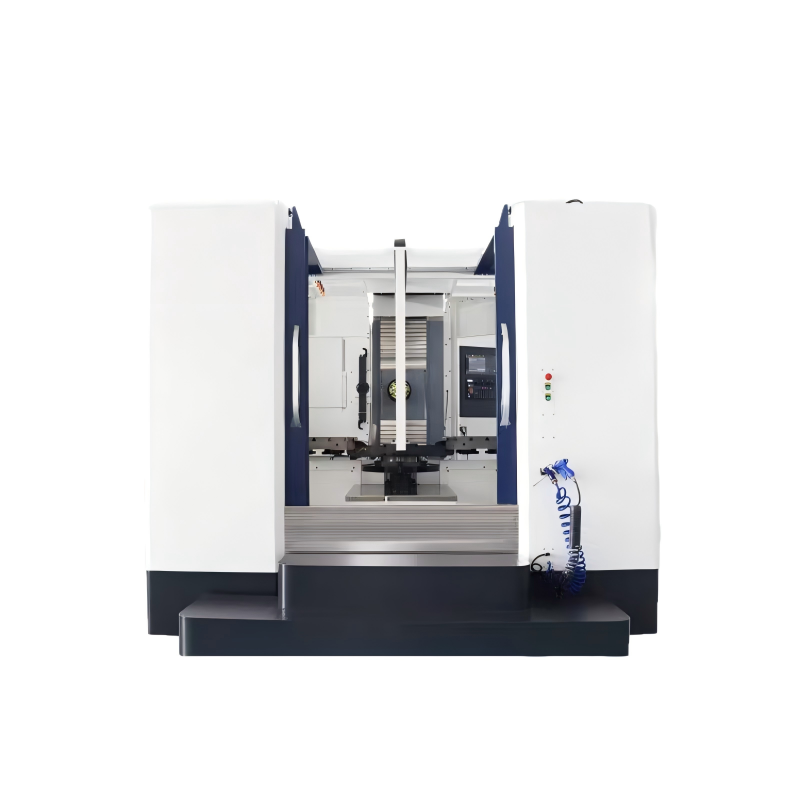
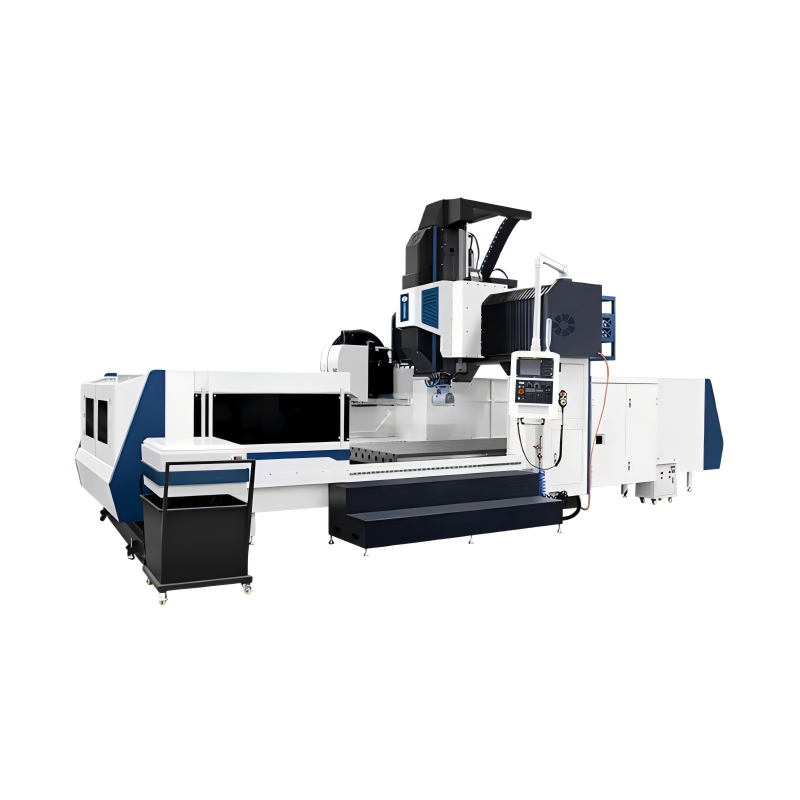
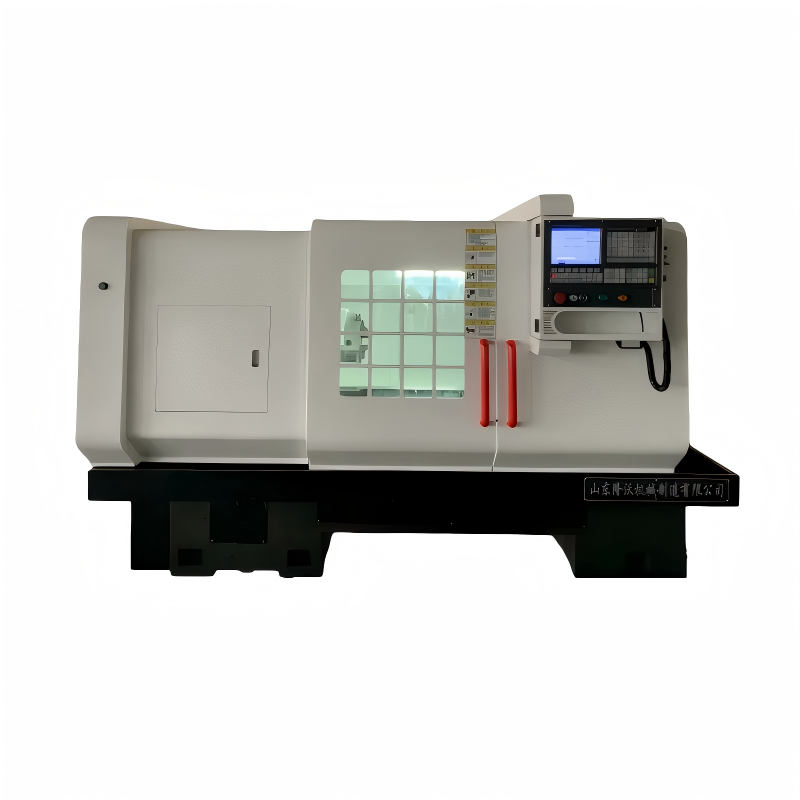
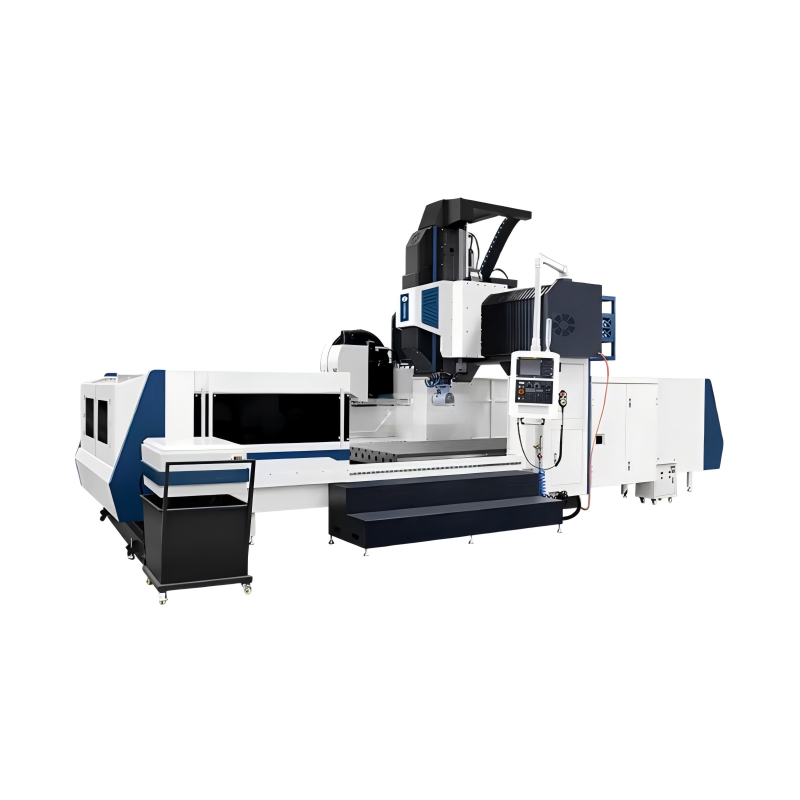
When it comes to machining long shafts, one faces a unique set of challenges that require careful consideration and planning. The primary issue is maintaining the straightness and roundness of the workpiece over its entire length, which can be significantly affected by vibrations, thermal expansion, and the inherent flexibility of longer pieces. Additionally, clamping and supporting the lathe for long shaft without causing deformations or inaccuracies in the final product requires specialized techniques and equipment. This section will explore these challenges in detail, setting the stage for discussing solutions.
The choice of lathe configuration plays a crucial role in optimizing the setup for long shaft machining. A suitable lathe should offer enough rigidity and stability to handle the extended length of the workpiece. One popular option for such applications is the use of a between-centers lathe, where the workpiece is supported at both ends. This method reduces deflection and provides better control over the machining process. However, when dealing with very long shafts, even this approach may not suffice without additional support mechanisms. In such cases, employing steady rests or follower rests becomes essential. These tools provide intermediate support, minimizing vibration and ensuring consistent cutting conditions along the entire length of the shaft.
Effective fixturing is another critical aspect of optimizing the machining of long shafts. Traditional chucking methods might not always provide the necessary support, especially for extremely long or heavy workpieces. In these scenarios, using custom-designed fixtures or adapting existing ones with modifications can greatly improve the outcome. For instance, incorporating live centers or dead centers into the setup can help distribute the load more evenly, reducing the risk of bending or warping. Moreover, employing collet chucks instead of three-jaw chucks can offer enhanced gripping force and precision, particularly beneficial for high-precision applications. It's also worth considering the use of tailstocks with adjustable quills, allowing for fine-tuning of the workpiece's position and further enhancing the accuracy of the machining operation.
To achieve optimal results in long shaft machining, it's vital to carefully select and adjust cutting parameters. Factors such as cutting speed, feed rate, and depth of cut must be finely tuned based on the material properties and the specific requirements of the job. For example, when working with harder materials, slower cutting speeds and shallower depths of cut are generally recommended to prevent excessive tool wear and maintain surface finish quality. On the other hand, softer materials may allow for higher speeds and deeper cuts, provided that the machine and tooling are capable of handling the increased loads. Additionally, employing coolant systems effectively can significantly impact the machining process. Proper lubrication and cooling not only extend tool life but also improve the surface finish and dimensional accuracy of the machined part. By balancing these parameters, operators can maximize productivity while maintaining the highest standards of quality.
In today’s manufacturing landscape, leveraging advanced technologies can greatly enhance the efficiency and accuracy of long shaft machining. CNC (Computer Numerical Control) lathes, equipped with sophisticated software and sensors, enable precise control over every aspect of the machining process. These machines can automatically adjust settings based on real-time feedback, compensating for any variations in the workpiece or environmental conditions. Furthermore, integrating CAD/CAM (Computer-Aided Design/Computer-Aided Manufacturing) systems allows for the creation of highly detailed and accurate toolpaths, ensuring that the final product meets all specified tolerances. Additionally, the use of probing systems can help in verifying the dimensions and alignment of the workpiece before and during the machining process, thereby reducing the likelihood of errors and rework. By embracing these technological advancements, manufacturers can achieve superior results, reduce production times, and increase overall operational efficiency.
 27/06/2026
When it comes to machining, the lathe is one of the most versatile and essential tools in any workshop. However, working with long shafts on a lathe presents unique challenges that require specific techniques and strategies to ensure efficiency and qualit
Read More27/06/2026When it comes to precision machining, especially in the context of long shaft turning, the selection and utilization of a high-quality lathe are paramount. This report delves into the intricacies of mastering the art of long shaft turning, highlighting ke
Read More27/06/2026Understanding the Specific Needs of Long Shaft WorkWhen it comes to machining long shafts, the selection of an appropriate lathe is critical. A Lathe for Long Shaft must be capable of handling the unique challenges associated with extended workpieces, suc
Read More27/06/2026With the continuous advancement in manufacturing technology, lathes have evolved significantly to meet the demands of modern industries. Among these advancements, the capabilities of Lathe for Long Shaft have become a focal point for manufacturers dealing
Read More26/06/2026When it comes to machining long shafts, the right lathe is an indispensable tool. The challenges associated with long shaft machining are numerous, from maintaining straightness and roundness to managing vibrations and deflections. This technical report w
Read More26/06/2026In the realm of precision machining, lathes play an indispensable role in shaping various components. When it comes to working with long shafts, however, standard lathes may not always deliver the desired performance. This report delves into the customiza
Read More26/06/2026In the realm of precision engineering, the machining of long shafts presents unique challenges that demand specific solutions. A lathe for long shafts is not merely a tool but a critical component in ensuring the quality and accuracy of the final product.
Read More25/06/2026When it comes to machining long shafts, the lathe is a fundamental tool that requires careful consideration of various factors to ensure high-quality results. One of the most critical aspects in this process is stability, which directly impacts the precis
Read More25/06/2026In the realm of manufacturing, the lathe for long shaft plays a crucial role in producing high-precision components. This technical report aims to explore best practices that can significantly enhance productivity when working with lathes and long shafts.
Read More25/06/2026The evolution of machining technology has witnessed significant advancements, particularly in the design and capabilities of lathes used for long shaft applications. This report delves into recent innovations that have transformed how manufacturers approa
Read More25/06/2026Working with a lathe for long shafts requires not only precision but also a deep understanding of the machinery involved. This guide aims to provide you with comprehensive insights into maintaining your lathe, ensuring it remains in optimal condition for
Read More24/06/2026In the realm of mechanical engineering, working with long shafts requires a high degree of precision and skill. The lathe for long shaft is an essential tool in this process, allowing for the creation of components that meet stringent specifications. This
Read More24/06/2026In the field of precision engineering, the turning of long shafts on a lathe presents unique challenges that demand specialized techniques and tools. This technical report explores advanced methodologies for effectively handling such tasks, focusing on im
Read More24/06/2026The Importance of Precision in Initial SetupWhen it comes to machining long shafts, the initial setup is a critical phase that sets the stage for the entire process. A lathe for long shaft requires meticulous attention to detail to ensure that the final p
Read More24/06/2026When it comes to the manufacturing of long shafts, a lathe for long shaft plays an indispensable role. This machine is specifically designed to handle the unique challenges that come with turning and shaping long cylindrical components. In this technical
Read More23/06/2026The lathe for long shaft operations is a specialized piece of machinery designed to handle the unique challenges associated with machining extended lengths. This report delves into the critical aspects of operating such lathes, focusing on setup considera
Read More23/06/2026Working with a lathe, especially when dealing with long shafts, presents unique challenges and requires a specialized set of skills. This report aims to provide essential tips for effectively using a lathe for long shaft machining. The following sections
Read More23/06/2026A lathe for long shaft is a specialized machine designed to work with elongated pieces of material, such as metal or wood. These machines are essential in industries that require precision and accuracy when working on long, cylindrical objects. This techn
Read More23/06/2026Understanding the Specific Needs of Long Shaft ProjectsWhen it comes to machining long shafts, understanding the unique requirements and challenges is crucial. A Lathe for Long Shaft must be capable of handling not only the length but also the precision a
Read MoreOur professional sales team is always ready to assist you.