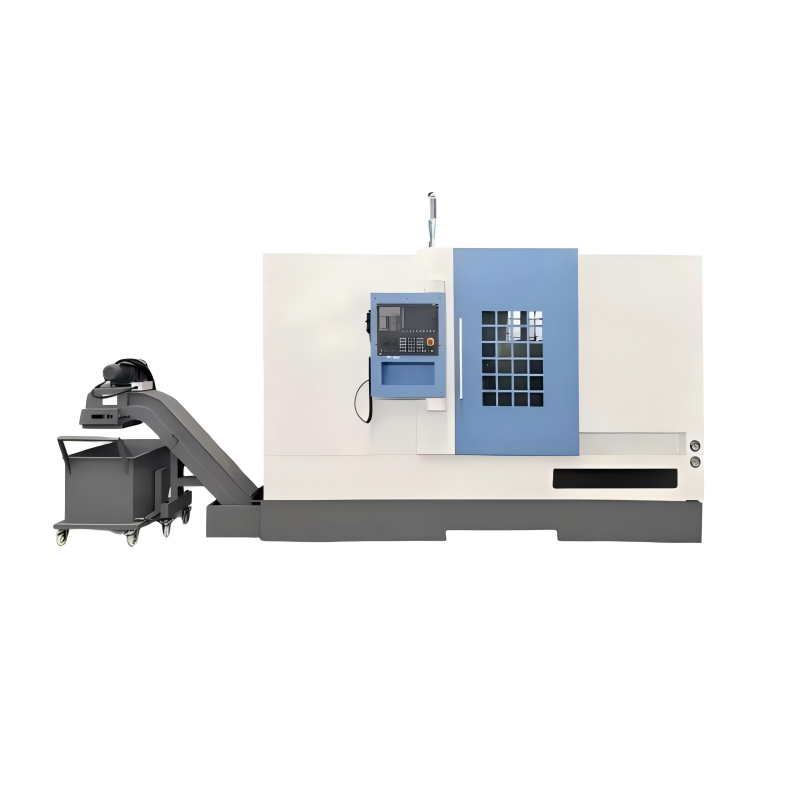
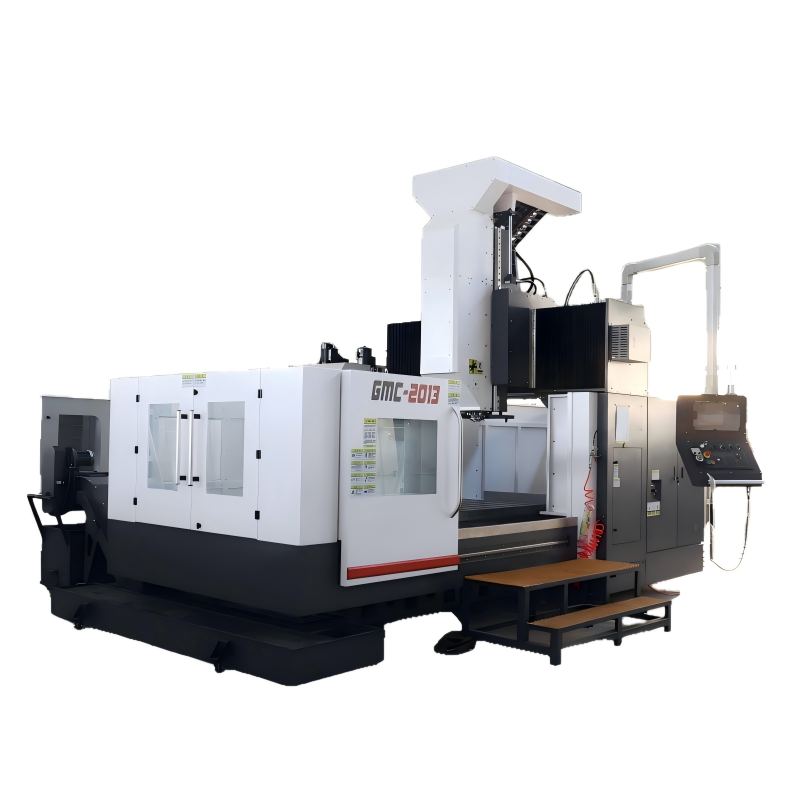
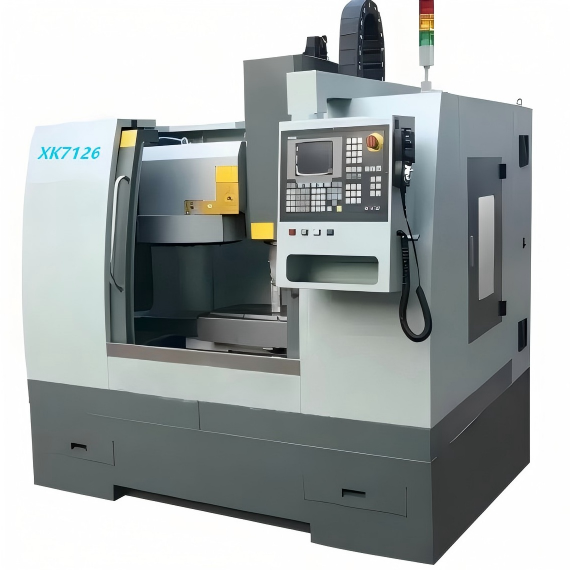
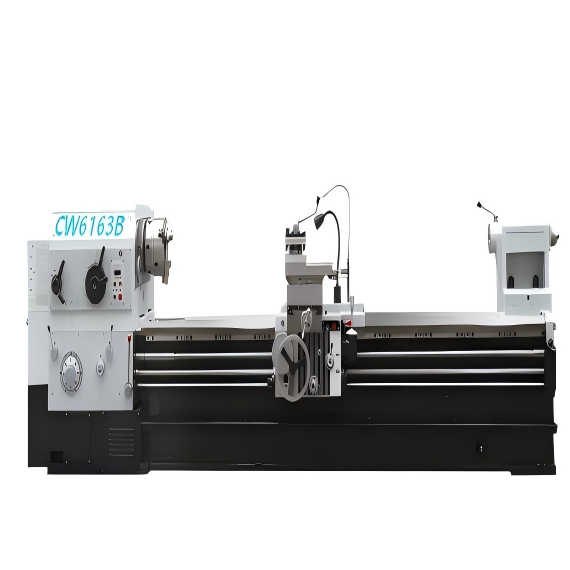
The machining of long shafts presents unique challenges that go beyond those encountered in typical CNC lathe operations. One major issue is maintaining straightness and roundness over extended lengths, which can be significantly affected by factors such as tool deflection, thermal expansion, and material inconsistencies. Additionally, the need for precise alignment between the headstock and tailstock becomes even more critical to ensure uniform cutting forces are applied throughout the length of the workpiece. These challenges necessitate a thorough understanding of both the mechanical properties of the materials being worked on and the capabilities of the CNC Lathe itself.
When it comes to choosing a CNC lathe for long shaft machining, several key specifications must be considered. First and foremost, the distance between centers (DBC) is a crucial factor. This measurement indicates the maximum length of the workpiece that can be supported and machined accurately. For long shaft applications, a larger DBC is often required. Besides, the spindle bore diameter should also match the diameter of the shafts you plan to machine, ensuring there's enough clearance while still providing sufficient rigidity during operation. Another important specification is the Z-axis travel, which determines how far along the length of the part the cutting tool can move. Adequate Z-axis travel, combined with a stable guideway system, ensures smooth and accurate machining across the entire length of the shaft.
A robust bed design plays an essential role in achieving high precision in long shaft machining. The bed serves as the foundation upon which all other components rest, making its stability and rigidity paramount. High-quality CNC lathes for long shaft applications typically feature a one-piece cast iron bed, known for its excellent vibration damping characteristics. This helps minimize vibrations during cutting, leading to improved surface finish and dimensional accuracy. Furthermore, advanced cooling systems may be integrated into the bed design to counteract thermal deformation, another common challenge when machining long parts. By effectively managing heat, these systems help maintain the integrity of the workpiece dimensions and the overall quality of the finished product.
To achieve optimal results in long shaft machining, the use of a well-designed tailstock and steady rests cannot be overstated. The tailstock provides support at the end opposite the headstock, helping to prevent bending or flexing of the workpiece under the cutting forces. In many cases, especially for very long shafts, additional support points may be needed, which is where steady rests come into play. Steady rests, usually mounted on the lathe bed, offer intermediate support, reducing the effective unsupported length of the workpiece and thus minimizing deflection. When selecting a CNC lathe for long shaft applications, it’s important to consider not only the presence but also the quality and adjustability of these support mechanisms, as they directly impact the final outcome of your machining process.
Modern CNC lathes for long shaft machining benefit greatly from advanced software and control systems. These technologies enable more efficient programming, simulation, and monitoring of the machining process, ultimately contributing to higher productivity and better part quality. Look for machines equipped with user-friendly interfaces, comprehensive libraries of standard cycles, and the ability to easily integrate custom macros. Advanced features like automatic tool compensation, adaptive feed control, and real-time process monitoring can further enhance the performance of your CNC lathe, allowing for tighter tolerances and reduced cycle times. Moreover, some high-end controls offer networking capabilities, facilitating integration with shop floor management systems and enabling remote diagnostics and maintenance, which can be particularly beneficial in large-scale production environments.
Selecting the right CNC lathe for long shaft machining involves carefully balancing multiple factors, including machine specifications, bed design, support mechanisms, and control system capabilities. Each of these elements plays a critical role in determining the success of your machining operations. By understanding the specific requirements of your long shaft applications and evaluating potential machines based on the criteria outlined above, you can make an informed decision that will lead to improved efficiency, higher quality, and greater overall satisfaction with your machining processes. Remember, the goal is not just to purchase a machine, but to invest in a solution that will serve your needs reliably and efficiently for years to come.
 20/06/2026
The advancement of CNC (Computer Numerical Control) lathes has significantly transformed the manufacturing landscape, particularly in industries that require high precision and consistency. This report delves into the impact of CNC lathe for long shaft ma
Read More20/06/2026The manufacturing industry, particularly in the realm of precision engineering, relies heavily on CNC (Computer Numerical Control) lathes for the production of long shafts. These machines are essential for achieving high accuracy and surface finish, which
Read More20/06/2026Introduction to CNC Lathe for Long Shaft MachiningThe advent of Computer Numerical Control (CNC) lathes has revolutionized the manufacturing industry, especially in the machining of long shafts. A CNC lathe for long shaft machining is a precision machine
Read More19/06/2026When it comes to machining long shafts, the use of a CNC lathe for long shaft machining is indispensable. This article delves into the key considerations that must be taken into account when performing such operations, providing valuable insights and prac
Read More19/06/2026In the realm of precision engineering, the ability to machine long shafts with high accuracy and efficiency is crucial. This report delves into how CNC lathes for long shaft machining have revolutionized the manufacturing process, offering superior result
Read More19/06/2026In the realm of precision engineering, CNC (Computer Numerical Control) lathes have become indispensable tools, especially for the fabrication of long shafts. This article delves into the specific benefits that CNC lathes offer in the context of long shaf
Read More18/06/2026The utilization of CNC lathe for long shaft machining has revolutionized the manufacturing industry, offering unparalleled precision and efficiency. This report aims to explore how CNC lathes can be optimized for long shaft machining, providing insights i
Read More18/06/2026In the realm of precision manufacturing, CNC lathe for long shaft machining stands out as a critical tool for producing high-quality components. This report delves into the advanced features that make CNC lathes indispensable for complex long shaft projec
Read More17/06/2026Long shaft machining with a CNC lathe is a specialized process that requires precision, skill, and the right equipment. This technical report aims to provide essential tips for achieving high-quality results in long shaft machining. The focus will be on o
Read More17/06/2026Optimizing CNC lathe settings for long shaft machining is a critical process that significantly impacts the quality, efficiency, and cost-effectiveness of production. Long shafts, often used in automotive, aerospace, and industrial machinery, require prec
Read More17/06/2026With the advancement of technology, CNC lathes have become an indispensable tool in the manufacturing industry, especially for long shaft machining. This report aims to explore the capabilities of CNC lathes when it comes to working with long shafts, high
Read More16/06/2026The manufacturing industry has seen a significant transformation with the advent of Computer Numerical Control (CNC) technology. Among the various applications, the role of CNC lathes in high-quality long shaft manufacturing stands out as particularly cru
Read More16/06/2026In the realm of precision engineering, advancements in technology have continuously pushed the boundaries of what is possible, especially when it comes to machining long shafts. The CNC lathe, a cornerstone of modern manufacturing, has seen significant in
Read More16/06/2026In the realm of precision manufacturing, the CNC lathe for long shaft machining stands out as a critical tool. This article delves into the advanced techniques and methodologies employed in the precision machining of long shafts using CNC lathes, providin
Read MoreOur professional sales team is always ready to assist you.