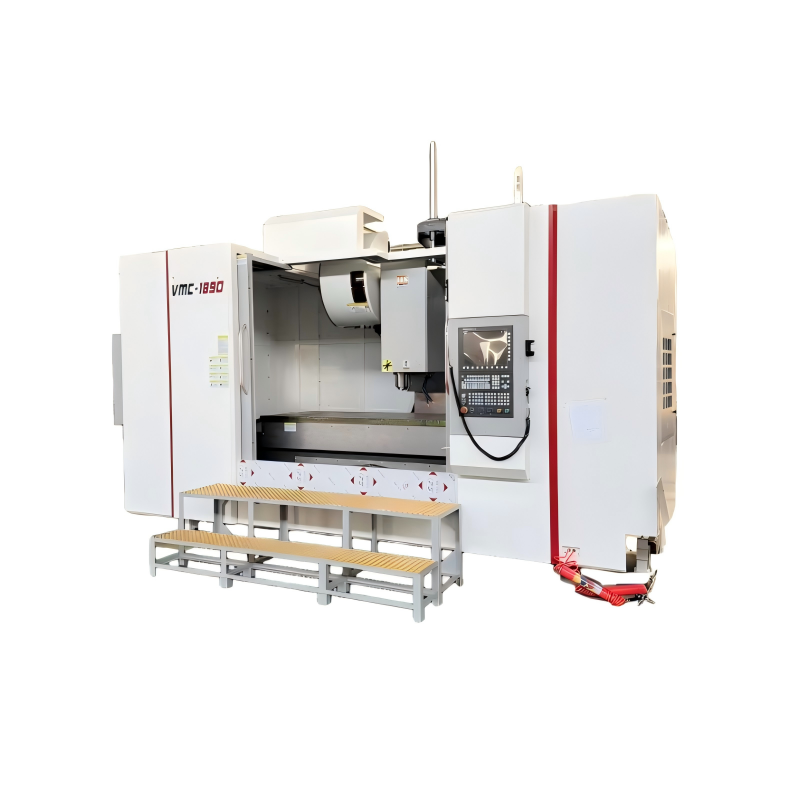
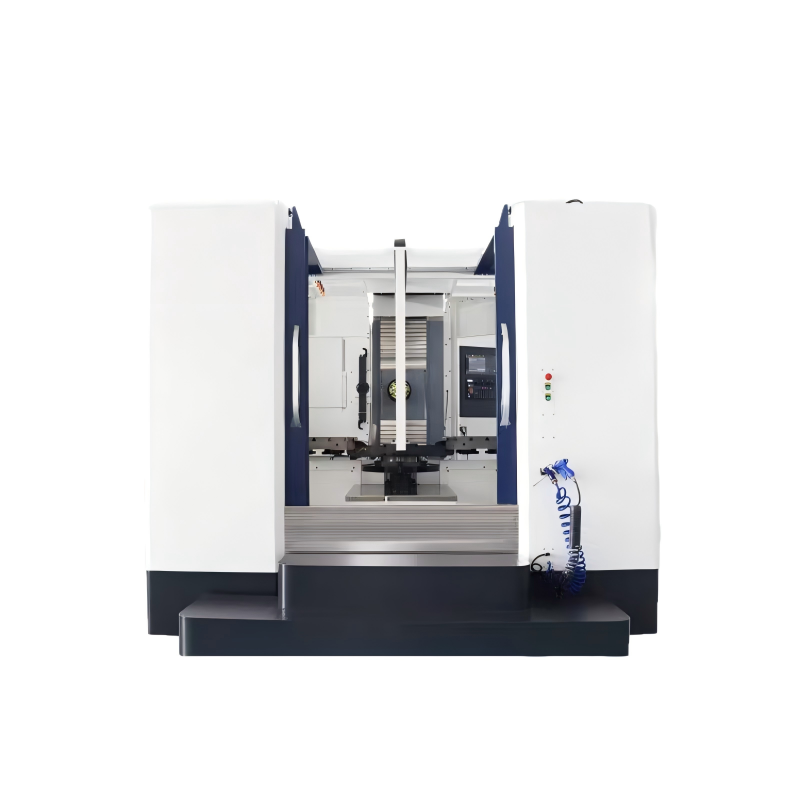
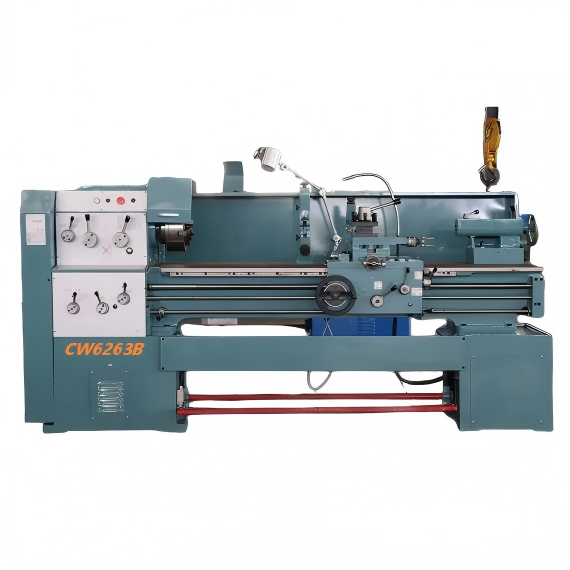
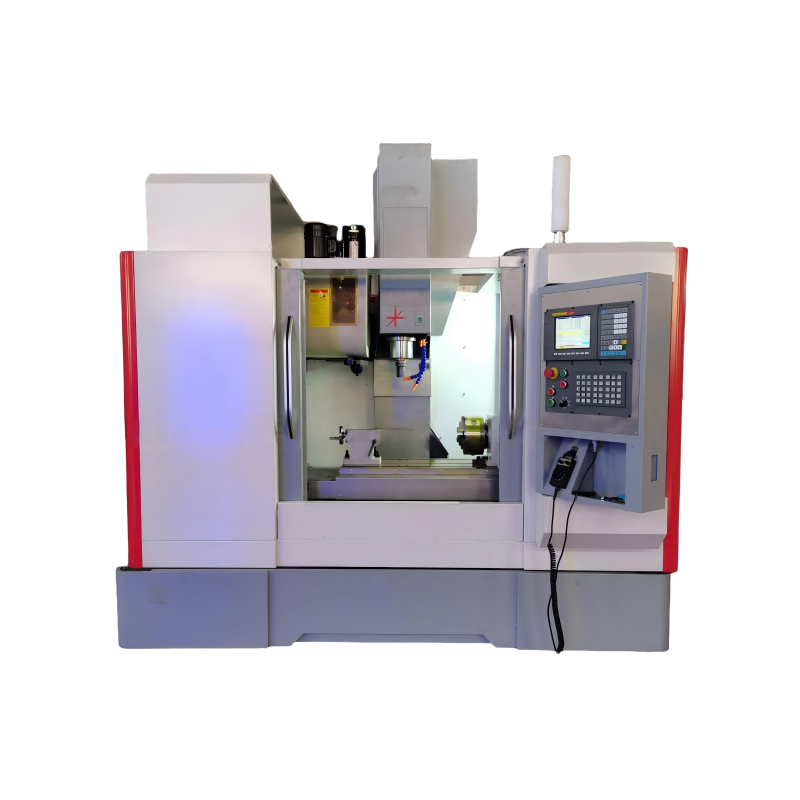
In the realm of precision manufacturing, CNC lathe for long shaft machining stands out as a critical tool for producing high-quality components. This report delves into the advanced features that make CNC Lathes indispensable for complex long shaft projects. By examining the key characteristics and capabilities, we can better understand how these machines contribute to the efficiency and accuracy of modern manufacturing processes.
One of the primary advantages of using a CNC lathe for long shaft machining is the enhanced precision and accuracy it offers. Modern CNC lathes are equipped with high-resolution encoders and advanced control systems that allow for extremely fine adjustments. These systems ensure that even the most intricate details on long shafts are machined with pinpoint accuracy. The use of digital feedback loops further enhances this precision by continuously monitoring and correcting any deviations during the machining process. This level of accuracy is crucial in industries such as aerospace, automotive, and medical, where tolerances are extremely tight and failure is not an option.
Another significant feature of advanced CNC lathes is their multi-axis capabilities. Traditional lathes are limited to turning operations along a single axis, which can be a constraint when dealing with complex geometries. In contrast, modern CNC lathes can perform simultaneous multi-axis machining, including Y-axis and C-axis operations. This allows for the creation of intricate features such as off-center holes, slots, and grooves, all in a single setup. The ability to perform multiple operations without repositioning the workpiece significantly reduces setup times and improves overall productivity. For long shafts, this capability is particularly valuable as it enables the machining of complex profiles and features that would otherwise require multiple setups or additional machines.
Efficiency is a key consideration in any manufacturing process, and CNC lathes for long shaft machining are designed to maximize it. One of the key features that contribute to this efficiency is the automated tool changer. These systems allow for rapid and precise switching between different cutting tools, reducing downtime and increasing throughput. Additionally, high-speed spindles are another critical component. These spindles can operate at very high speeds, allowing for faster material removal rates and shorter cycle times. The combination of automated tool changers and high-speed spindles ensures that the CNC lathe can handle a wide range of materials and operations, from roughing to finishing, with ease and speed. This is especially important for long shafts, where maintaining consistent quality over the entire length of the part is essential.
The software and programming capabilities of modern CNC lathes play a crucial role in their effectiveness for long shaft machining. Advanced CAD/CAM software allows for the creation of highly detailed 3D models and the generation of efficient toolpaths. These toolpaths can be optimized for specific materials and operations, ensuring that the machine operates at peak efficiency. Additionally, simulation features within the software enable operators to visualize the machining process and identify potential issues before the actual machining begins. This not only saves time but also reduces the risk of errors and waste. For long shaft projects, the ability to simulate and optimize the machining process is invaluable, as it helps to ensure that the final product meets all the required specifications and tolerances.
Ensuring the quality of the finished product is paramount in any manufacturing process, and CNC lathes for long shaft machining are equipped with integrated quality control and monitoring systems to achieve this. These systems include in-process measurement and inspection tools, such as laser probes and touch probes, which can measure the dimensions and geometry of the part in real-time. This data is then compared against the design specifications, and any deviations can be corrected immediately. This closed-loop system ensures that the final product meets the highest standards of quality and consistency. For long shafts, where even minor variations can have significant consequences, these integrated quality control systems provide an additional layer of assurance, ensuring that every part produced is of the highest quality.
In conclusion, the advanced features of CNC lathes for long shaft machining, including enhanced precision and accuracy, multi-axis capabilities, automated tool changers, high-speed spindles, advanced software, and integrated quality control systems, make them indispensable tools in modern manufacturing. These features not only improve the efficiency and productivity of the machining process but also ensure that the final products meet the stringent requirements of various industries. As technology continues to advance, the capabilities of CNC lathes will only continue to grow, further enhancing their role in the production of complex long shaft components.
 20/06/2026
The advancement of CNC (Computer Numerical Control) lathes has significantly transformed the manufacturing landscape, particularly in industries that require high precision and consistency. This report delves into the impact of CNC lathe for long shaft ma
Read More20/06/2026The manufacturing industry, particularly in the realm of precision engineering, relies heavily on CNC (Computer Numerical Control) lathes for the production of long shafts. These machines are essential for achieving high accuracy and surface finish, which
Read More20/06/2026Introduction to CNC Lathe for Long Shaft MachiningThe advent of Computer Numerical Control (CNC) lathes has revolutionized the manufacturing industry, especially in the machining of long shafts. A CNC lathe for long shaft machining is a precision machine
Read More19/06/2026When it comes to machining long shafts, the use of a CNC lathe for long shaft machining is indispensable. This article delves into the key considerations that must be taken into account when performing such operations, providing valuable insights and prac
Read More19/06/2026In the realm of precision engineering, the ability to machine long shafts with high accuracy and efficiency is crucial. This report delves into how CNC lathes for long shaft machining have revolutionized the manufacturing process, offering superior result
Read More19/06/2026In the realm of precision engineering, CNC (Computer Numerical Control) lathes have become indispensable tools, especially for the fabrication of long shafts. This article delves into the specific benefits that CNC lathes offer in the context of long shaf
Read More18/06/2026Understanding the Unique Challenges of Long Shaft MachiningThe machining of long shafts presents unique challenges that go beyond those encountered in typical CNC lathe operations. One major issue is maintaining straightness and roundness over extended le
Read More18/06/2026The utilization of CNC lathe for long shaft machining has revolutionized the manufacturing industry, offering unparalleled precision and efficiency. This report aims to explore how CNC lathes can be optimized for long shaft machining, providing insights i
Read More17/06/2026Long shaft machining with a CNC lathe is a specialized process that requires precision, skill, and the right equipment. This technical report aims to provide essential tips for achieving high-quality results in long shaft machining. The focus will be on o
Read More17/06/2026Optimizing CNC lathe settings for long shaft machining is a critical process that significantly impacts the quality, efficiency, and cost-effectiveness of production. Long shafts, often used in automotive, aerospace, and industrial machinery, require prec
Read More17/06/2026With the advancement of technology, CNC lathes have become an indispensable tool in the manufacturing industry, especially for long shaft machining. This report aims to explore the capabilities of CNC lathes when it comes to working with long shafts, high
Read More16/06/2026The manufacturing industry has seen a significant transformation with the advent of Computer Numerical Control (CNC) technology. Among the various applications, the role of CNC lathes in high-quality long shaft manufacturing stands out as particularly cru
Read More16/06/2026In the realm of precision engineering, advancements in technology have continuously pushed the boundaries of what is possible, especially when it comes to machining long shafts. The CNC lathe, a cornerstone of modern manufacturing, has seen significant in
Read More16/06/2026In the realm of precision manufacturing, the CNC lathe for long shaft machining stands out as a critical tool. This article delves into the advanced techniques and methodologies employed in the precision machining of long shafts using CNC lathes, providin
Read MoreOur professional sales team is always ready to assist you.