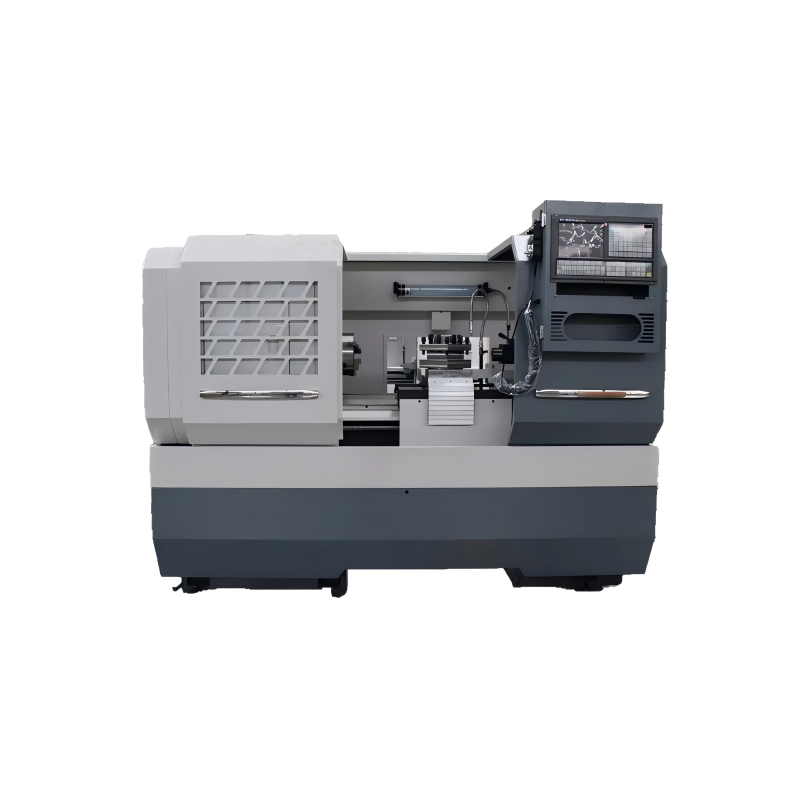
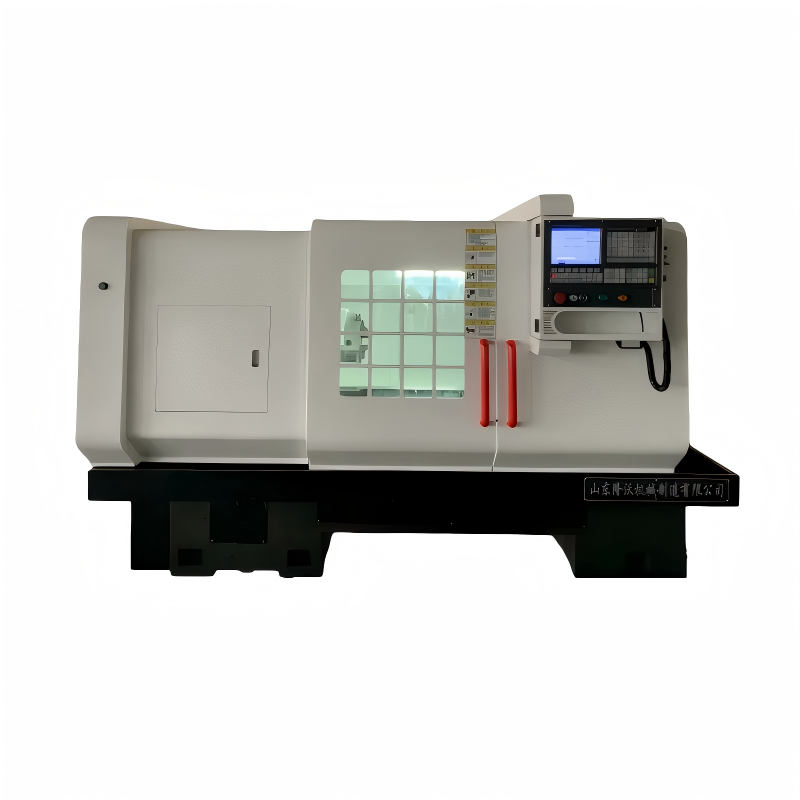
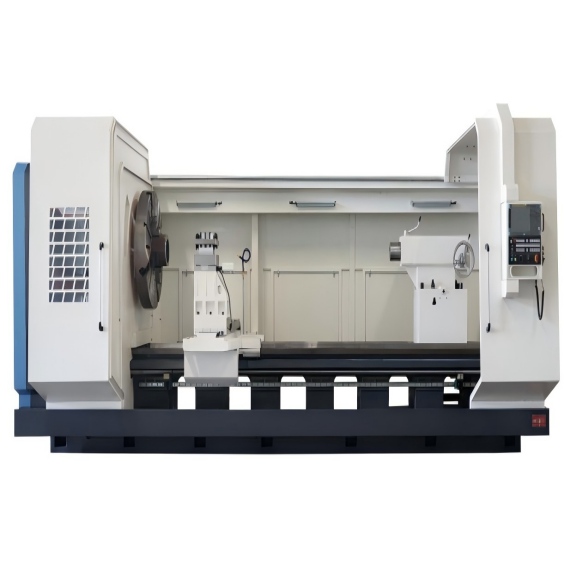
The manufacturing industry, particularly in the realm of precision engineering, relies heavily on CNC (Computer Numerical Control) lathes for the production of long shafts. These machines are essential for achieving high accuracy and surface finish, which are critical for many applications, including automotive, aerospace, and industrial machinery. However, downtime in CNC Lathe processes can significantly impact productivity and profitability. This report aims to explore strategies for reducing downtime in long shaft CNC lathe operations, focusing on three key areas: preventive maintenance, efficient programming, and real-time monitoring.
Preventive Maintenance: A Proactive Approach
Preventive maintenance is a cornerstone of any effective strategy to minimize downtime in CNC lathe for long shaft machining. Regular and systematic maintenance ensures that the machine remains in optimal condition, reducing the likelihood of unexpected breakdowns. Key components of a preventive maintenance program include:
- Scheduled Inspections: Regularly scheduled inspections allow for the early detection of wear and tear on critical components such as bearings, gears, and cutting tools. By identifying and addressing these issues before they become major problems, the risk of unplanned downtime is significantly reduced.
- Lubrication and Cleaning: Proper lubrication and cleaning of the CNC lathe's moving parts are essential to prevent friction and contamination, which can lead to premature wear and failure. A well-lubricated and clean machine operates more efficiently and reliably.
- Tool Management: Effective management of cutting tools, including regular replacement and sharpening, ensures consistent performance and reduces the risk of tool breakage during machining. Implementing a tool life management system can help track the usage and condition of tools, enabling timely replacements.
By adopting a proactive approach to maintenance, manufacturers can significantly reduce the frequency and duration of downtime, leading to increased productivity and lower operational costs.
Efficient Programming: Optimizing Machine Utilization
Efficient programming is another critical factor in minimizing downtime in CNC lathe for long shaft machining. Well-optimized programs not only enhance the speed and accuracy of the machining process but also reduce the likelihood of errors and interruptions. Key considerations for efficient programming include:
- Code Optimization: Streamlining the G-code and M-code used in CNC programming can reduce the time required for tool changes and other non-machining activities. This involves minimizing unnecessary movements and ensuring that the tool paths are as efficient as possible.
- Simulation and Testing: Before running a new program on the CNC lathe, it is essential to simulate and test the code to identify and correct any potential issues. Simulation software can help visualize the machining process and detect collisions or other errors that could cause downtime.
- Parameter Tuning: Fine-tuning the machining parameters, such as feed rates, spindle speeds, and depth of cut, can optimize the performance of the CNC lathe. This not only improves the quality of the machined part but also reduces the risk of tool wear and machine stress.
By implementing these strategies, manufacturers can ensure that their CNC lathes are operating at peak efficiency, thereby reducing downtime and increasing overall productivity.
Real-Time Monitoring: Detecting and Addressing Issues Promptly
Real-time monitoring is an increasingly important aspect of modern CNC lathe operations, especially for long shaft machining. Advanced monitoring systems can provide valuable insights into the machine's performance and help detect potential issues before they lead to downtime. Key elements of real-time monitoring include:
- Data Collection and Analysis: Modern CNC lathes are equipped with sensors and data collection systems that can monitor various parameters such as temperature, vibration, and tool wear. Analyzing this data in real-time allows operators to identify trends and anomalies that may indicate impending failures.
- Predictive Maintenance: By leveraging the data collected from real-time monitoring, manufacturers can implement predictive maintenance strategies. Predictive maintenance uses advanced algorithms to forecast when maintenance is likely to be needed, allowing for planned downtime rather than unexpected breakdowns.
- Condition-Based Maintenance: Condition-based maintenance (CBM) involves performing maintenance tasks based on the actual condition of the machine rather than a fixed schedule. Real-time monitoring provides the necessary data to make informed decisions about when and what type of maintenance is required, reducing unnecessary downtime and extending the life of the machine.
Real-time monitoring, combined with predictive and condition-based maintenance, can significantly reduce downtime by enabling proactive and targeted interventions. This not only improves the reliability of the CNC lathe but also enhances the overall efficiency of the manufacturing process.
In conclusion, reducing downtime in CNC lathe for long shaft machining requires a multi-faceted approach that includes preventive maintenance, efficient programming, and real-time monitoring. By implementing these strategies, manufacturers can achieve higher levels of productivity, improve the quality of their products, and ultimately, increase their competitiveness in the market.

 20/06/2026



