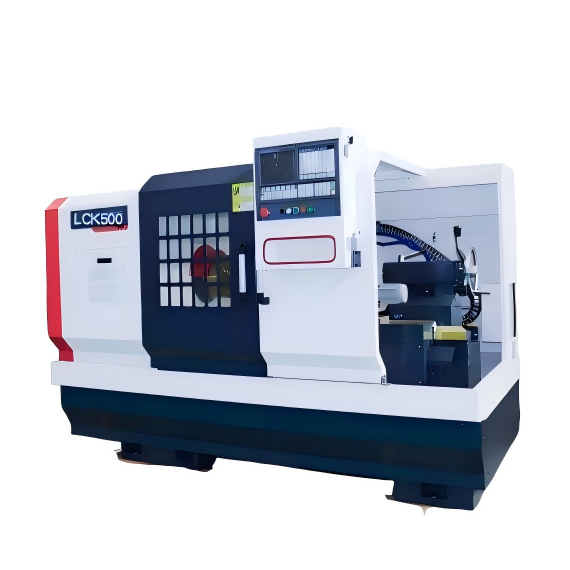
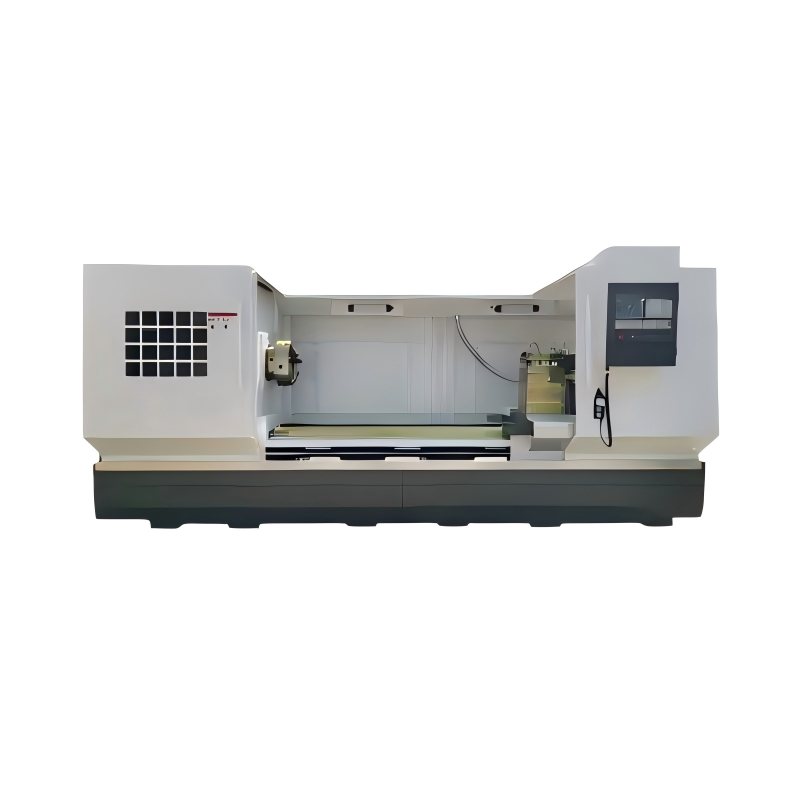
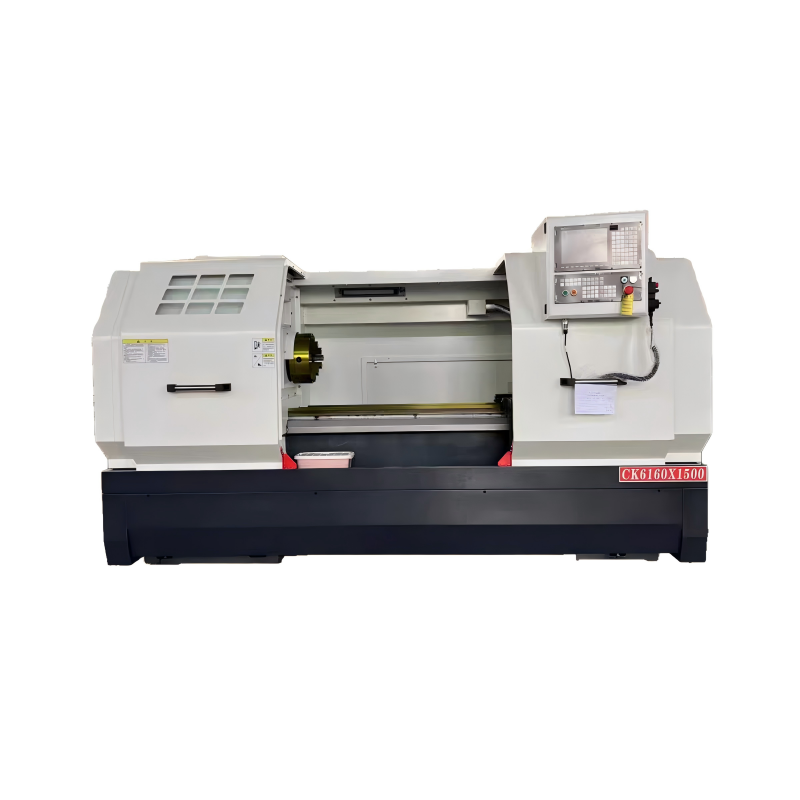
The utilization of CNC lathe for long shaft machining has revolutionized the manufacturing industry, offering unparalleled precision and efficiency. This report aims to explore how CNC Lathes can be optimized for long shaft machining, providing insights into maximizing productivity while maintaining high-quality output.
Long shafts, often used in automotive, aerospace, and industrial machinery, present unique challenges during the machining process. These include maintaining straightness, ensuring uniform diameter, and achieving a smooth surface finish over extended lengths. Traditional manual lathes are limited in their ability to handle these challenges, leading to inconsistencies and higher rejection rates. CNC lathes, on the other hand, offer a more controlled and precise approach, making them the preferred choice for long shaft machining.
One of the key factors in maximizing efficiency in long shaft machining is the selection and setup of cutting tools. The right tooling can significantly reduce machining time and improve the quality of the final product. For instance, using high-speed steel (HSS) or carbide-tipped tools can enhance cutting performance, especially when dealing with hard materials. Additionally, the proper setup of the tool holder and alignment of the cutting tool is crucial to ensure consistent and accurate cuts. Regular maintenance and calibration of the CNC lathe are also essential to maintain optimal performance.
Advanced CNC programming techniques play a vital role in optimizing the machining process for long shafts. Utilizing features such as adaptive control, which adjusts the feed rate based on the material and tool conditions, can help prevent tool wear and breakage. Another technique is the use of subroutines, which allows for the repetition of common operations, reducing programming time and minimizing errors. Furthermore, simulation software can be used to test and refine the machining program before actual production, ensuring that the process is as efficient as possible.
Efficient material handling and fixturing are critical for maintaining the accuracy and repeatability of long shaft machining. Proper fixturing ensures that the workpiece is securely held in place, preventing any movement or vibration during the machining process. This is particularly important for long shafts, where even the slightest misalignment can lead to significant errors. Additionally, using automated material handling systems, such as robotic arms or conveyors, can streamline the loading and unloading of workpieces, reducing downtime and increasing overall throughput.
Maximizing efficiency in long shaft machining using CNC lathes involves a combination of advanced tooling, sophisticated programming, and effective material handling. By addressing the specific challenges associated with long shafts, manufacturers can achieve higher productivity, improved quality, and reduced costs. As technology continues to advance, the integration of new features and capabilities in CNC lathes will further enhance their performance, making them an indispensable tool in the modern manufacturing landscape.
 20/06/2026
The advancement of CNC (Computer Numerical Control) lathes has significantly transformed the manufacturing landscape, particularly in industries that require high precision and consistency. This report delves into the impact of CNC lathe for long shaft ma
Read More20/06/2026The manufacturing industry, particularly in the realm of precision engineering, relies heavily on CNC (Computer Numerical Control) lathes for the production of long shafts. These machines are essential for achieving high accuracy and surface finish, which
Read More20/06/2026Introduction to CNC Lathe for Long Shaft MachiningThe advent of Computer Numerical Control (CNC) lathes has revolutionized the manufacturing industry, especially in the machining of long shafts. A CNC lathe for long shaft machining is a precision machine
Read More19/06/2026When it comes to machining long shafts, the use of a CNC lathe for long shaft machining is indispensable. This article delves into the key considerations that must be taken into account when performing such operations, providing valuable insights and prac
Read More19/06/2026In the realm of precision engineering, the ability to machine long shafts with high accuracy and efficiency is crucial. This report delves into how CNC lathes for long shaft machining have revolutionized the manufacturing process, offering superior result
Read More19/06/2026In the realm of precision engineering, CNC (Computer Numerical Control) lathes have become indispensable tools, especially for the fabrication of long shafts. This article delves into the specific benefits that CNC lathes offer in the context of long shaf
Read More18/06/2026Understanding the Unique Challenges of Long Shaft MachiningThe machining of long shafts presents unique challenges that go beyond those encountered in typical CNC lathe operations. One major issue is maintaining straightness and roundness over extended le
Read More18/06/2026In the realm of precision manufacturing, CNC lathe for long shaft machining stands out as a critical tool for producing high-quality components. This report delves into the advanced features that make CNC lathes indispensable for complex long shaft projec
Read More17/06/2026Long shaft machining with a CNC lathe is a specialized process that requires precision, skill, and the right equipment. This technical report aims to provide essential tips for achieving high-quality results in long shaft machining. The focus will be on o
Read More17/06/2026Optimizing CNC lathe settings for long shaft machining is a critical process that significantly impacts the quality, efficiency, and cost-effectiveness of production. Long shafts, often used in automotive, aerospace, and industrial machinery, require prec
Read More17/06/2026With the advancement of technology, CNC lathes have become an indispensable tool in the manufacturing industry, especially for long shaft machining. This report aims to explore the capabilities of CNC lathes when it comes to working with long shafts, high
Read More16/06/2026The manufacturing industry has seen a significant transformation with the advent of Computer Numerical Control (CNC) technology. Among the various applications, the role of CNC lathes in high-quality long shaft manufacturing stands out as particularly cru
Read More16/06/2026In the realm of precision engineering, advancements in technology have continuously pushed the boundaries of what is possible, especially when it comes to machining long shafts. The CNC lathe, a cornerstone of modern manufacturing, has seen significant in
Read More16/06/2026In the realm of precision manufacturing, the CNC lathe for long shaft machining stands out as a critical tool. This article delves into the advanced techniques and methodologies employed in the precision machining of long shafts using CNC lathes, providin
Read MoreOur professional sales team is always ready to assist you.