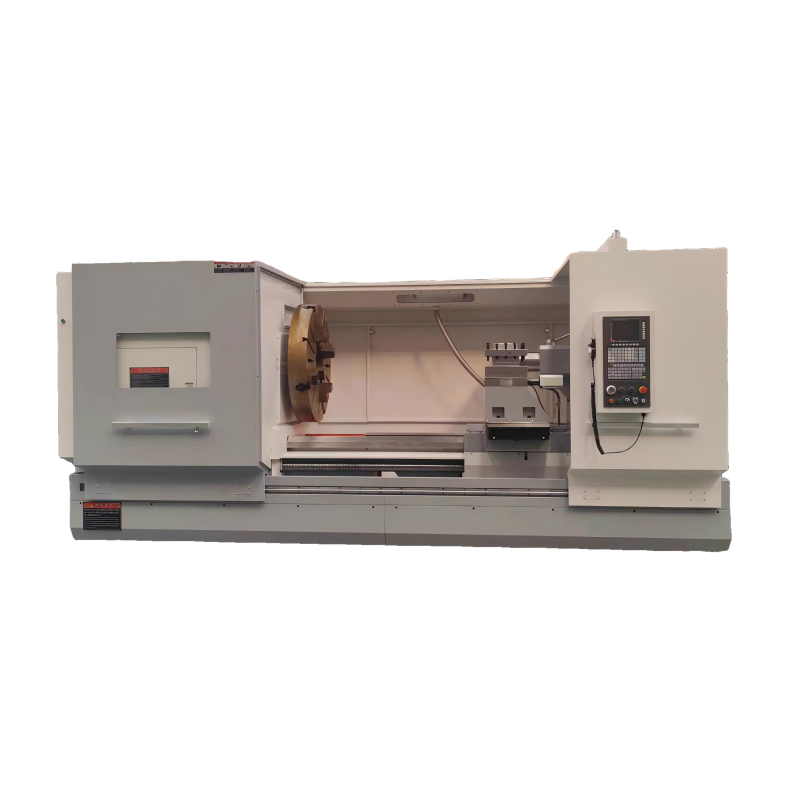
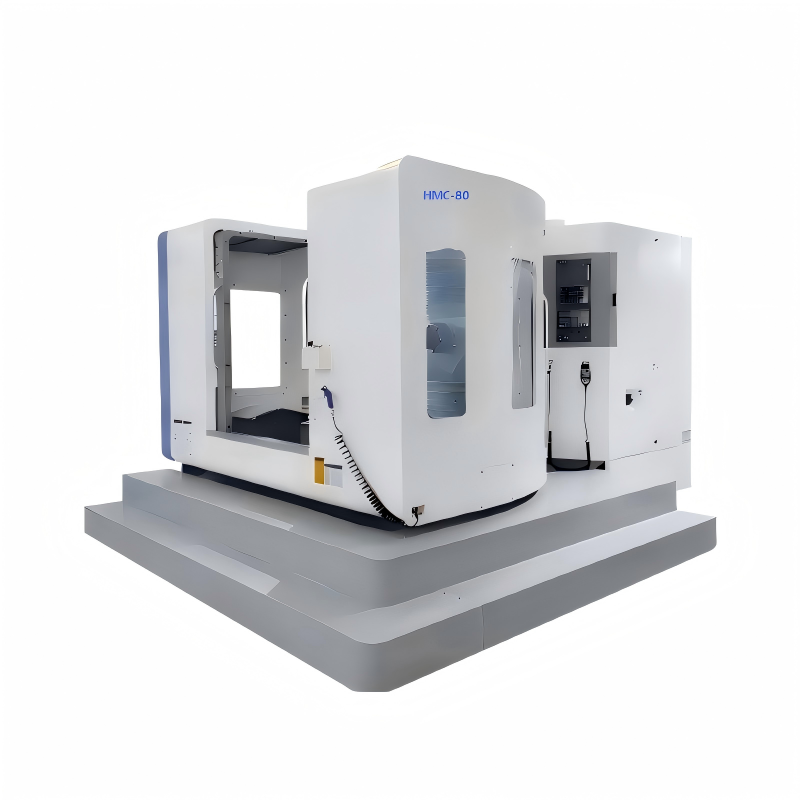
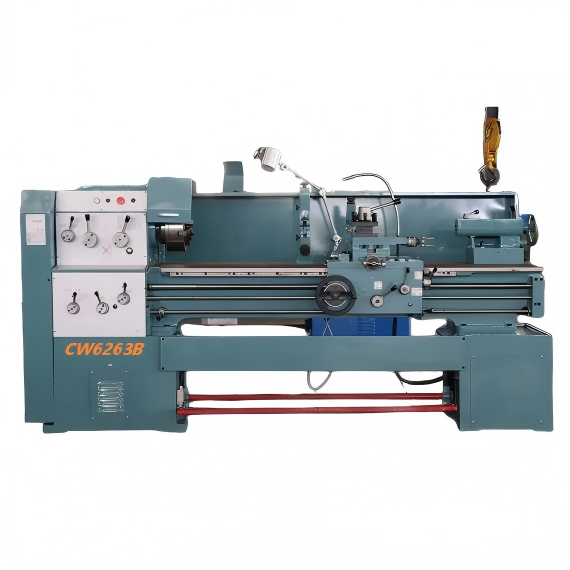
The advancement of CNC (Computer Numerical Control) lathes has significantly transformed the manufacturing landscape, particularly in industries that require high precision and consistency. This report delves into the impact of CNC Lathe for long shaft machining on industry standards, focusing on how technological innovations have driven improvements in production efficiency, product quality, and cost-effectiveness.
One of the most notable impacts of CNC lathes on the long shaft machining industry is the significant enhancement in precision and consistency. Traditional manual lathes rely heavily on the skill and experience of the operator, which can lead to variations in the final product. In contrast, CNC lathes use computer-controlled systems to execute precise movements, ensuring that each part is machined to exact specifications. This level of precision is crucial in the long shaft industry, where even minor deviations can result in suboptimal performance or failure of the end product. The use of CNC lathes has thus raised the bar for industry standards, making it possible to produce parts with tighter tolerances and higher repeatability.
Another major advantage of using a CNC lathe for long shaft machining is the substantial increase in production efficiency. CNC lathes are capable of operating continuously with minimal human intervention, allowing for 24/7 production. This not only reduces the need for skilled labor but also minimizes downtime, leading to higher output rates. Additionally, CNC lathes can perform multiple operations in a single setup, such as turning, drilling, and threading, which further streamlines the production process. The ability to program and store multiple jobs means that switching between different tasks is quick and efficient, reducing setup times and increasing overall productivity.
The adoption of CNC lathes in long shaft machining has also brought about significant cost savings and improved scalability. While the initial investment in CNC technology can be high, the long-term benefits often outweigh the costs. CNC lathes reduce material waste by optimizing cutting paths and minimizing errors, which translates to lower material costs. Moreover, the reduced need for skilled labor and the ability to automate repetitive tasks lower operational costs. As the demand for long shafts fluctuates, CNC lathes provide the flexibility to scale production up or down without compromising on quality or efficiency. This makes them an ideal solution for manufacturers looking to stay competitive in a rapidly changing market.
The integration of CNC lathes with other advanced manufacturing technologies, such as CAD/CAM (Computer-Aided Design/Computer-Aided Manufacturing) software and IoT (Internet of Things) systems, has further enhanced their capabilities. CAD/CAM software allows for the design and simulation of complex parts, ensuring that the final product meets all required specifications before production begins. IoT systems, on the other hand, enable real-time monitoring and data collection, providing valuable insights into machine performance and maintenance needs. This integration not only improves the accuracy and reliability of the machining process but also facilitates predictive maintenance, reducing downtime and extending the lifespan of the machinery.
The impact of CNC lathe for long shaft machining on industry standards is profound and far-reaching. By enhancing precision and consistency, increasing production efficiency, and improving cost-effectiveness, CNC lathes have set new benchmarks for quality and performance. Furthermore, their integration with advanced manufacturing technologies has opened up new possibilities for innovation and optimization. As the long shaft industry continues to evolve, the role of CNC lathes in driving progress and maintaining high standards will only become more critical.
 20/06/2026
The manufacturing industry, particularly in the realm of precision engineering, relies heavily on CNC (Computer Numerical Control) lathes for the production of long shafts. These machines are essential for achieving high accuracy and surface finish, which
Read More20/06/2026Introduction to CNC Lathe for Long Shaft MachiningThe advent of Computer Numerical Control (CNC) lathes has revolutionized the manufacturing industry, especially in the machining of long shafts. A CNC lathe for long shaft machining is a precision machine
Read More19/06/2026When it comes to machining long shafts, the use of a CNC lathe for long shaft machining is indispensable. This article delves into the key considerations that must be taken into account when performing such operations, providing valuable insights and prac
Read More19/06/2026In the realm of precision engineering, the ability to machine long shafts with high accuracy and efficiency is crucial. This report delves into how CNC lathes for long shaft machining have revolutionized the manufacturing process, offering superior result
Read More19/06/2026In the realm of precision engineering, CNC (Computer Numerical Control) lathes have become indispensable tools, especially for the fabrication of long shafts. This article delves into the specific benefits that CNC lathes offer in the context of long shaf
Read More18/06/2026Understanding the Unique Challenges of Long Shaft MachiningThe machining of long shafts presents unique challenges that go beyond those encountered in typical CNC lathe operations. One major issue is maintaining straightness and roundness over extended le
Read More18/06/2026The utilization of CNC lathe for long shaft machining has revolutionized the manufacturing industry, offering unparalleled precision and efficiency. This report aims to explore how CNC lathes can be optimized for long shaft machining, providing insights i
Read More18/06/2026In the realm of precision manufacturing, CNC lathe for long shaft machining stands out as a critical tool for producing high-quality components. This report delves into the advanced features that make CNC lathes indispensable for complex long shaft projec
Read More17/06/2026Long shaft machining with a CNC lathe is a specialized process that requires precision, skill, and the right equipment. This technical report aims to provide essential tips for achieving high-quality results in long shaft machining. The focus will be on o
Read More17/06/2026Optimizing CNC lathe settings for long shaft machining is a critical process that significantly impacts the quality, efficiency, and cost-effectiveness of production. Long shafts, often used in automotive, aerospace, and industrial machinery, require prec
Read More17/06/2026With the advancement of technology, CNC lathes have become an indispensable tool in the manufacturing industry, especially for long shaft machining. This report aims to explore the capabilities of CNC lathes when it comes to working with long shafts, high
Read More16/06/2026The manufacturing industry has seen a significant transformation with the advent of Computer Numerical Control (CNC) technology. Among the various applications, the role of CNC lathes in high-quality long shaft manufacturing stands out as particularly cru
Read More16/06/2026In the realm of precision engineering, advancements in technology have continuously pushed the boundaries of what is possible, especially when it comes to machining long shafts. The CNC lathe, a cornerstone of modern manufacturing, has seen significant in
Read More16/06/2026In the realm of precision manufacturing, the CNC lathe for long shaft machining stands out as a critical tool. This article delves into the advanced techniques and methodologies employed in the precision machining of long shafts using CNC lathes, providin
Read MoreOur professional sales team is always ready to assist you.