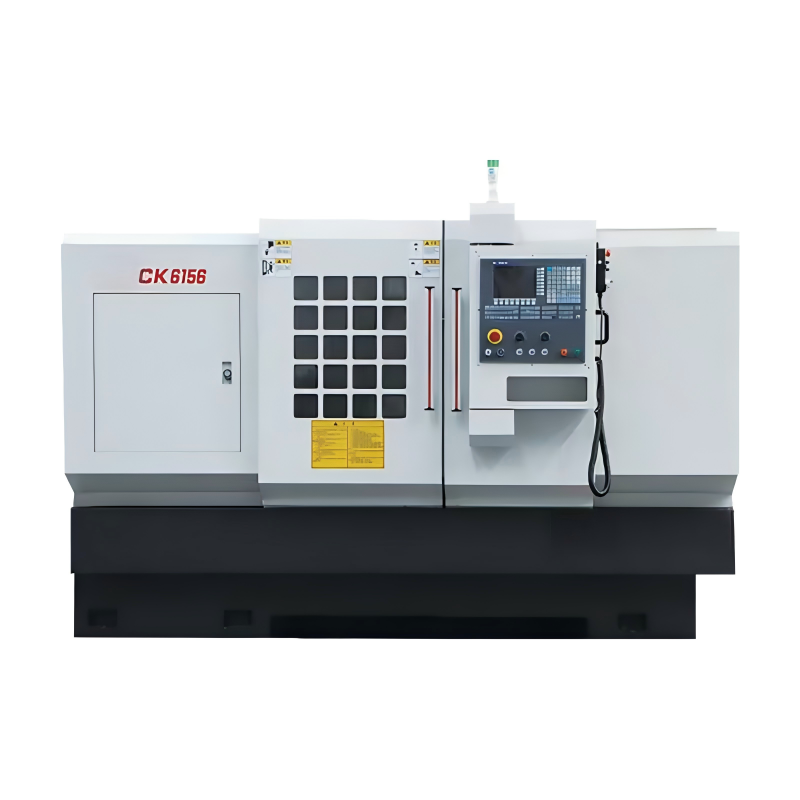
When it comes to machining long shafts, the use of a CNC lathe for long shaft machining is indispensable. This article delves into the key considerations that must be taken into account when performing such operations, providing valuable insights and practical advice for operators and engineers alike.
Material Selection and Preparation
The first step in any successful CNC Lathe operation on long shafts involves selecting the appropriate material. The choice of material can significantly impact the machining process, as well as the final product's performance and durability. Common materials used for long shafts include steel, stainless steel, and aluminum. Each material has its own unique properties, such as hardness, tensile strength, and thermal conductivity, which must be carefully considered.
Once the material is selected, proper preparation is crucial. This includes ensuring that the raw material is free from defects, such as cracks or inclusions, which could compromise the integrity of the finished shaft. Additionally, the material should be properly cleaned and degreased to remove any contaminants that could affect the machining process.
Machine Setup and Tooling
Setting up the CNC lathe correctly is essential for achieving precise and efficient machining of long shafts. One of the primary challenges in machining long shafts is maintaining the straightness and concentricity of the workpiece. To address this, the lathe must be equipped with a robust and stable workholding system, such as a steady rest or a tailstock, to support the shaft throughout the machining process.
Tool selection and setup are equally important. High-quality cutting tools, such as carbide inserts, are recommended for their durability and ability to handle the high speeds and feeds required for long shaft machining. Proper tool geometry and sharpness are critical to achieving clean cuts and minimizing tool wear. Additionally, the use of coolant or lubricant can help to reduce friction and heat, extending tool life and improving surface finish.
Programming and Machining Parameters
Effective programming is the backbone of any CNC lathe operation. For long shaft machining, the program must be meticulously designed to ensure that the desired dimensions and tolerances are met. This includes setting the correct spindle speed, feed rate, and depth of cut, all of which must be optimized for the specific material and tool being used.
One of the key considerations in programming is the management of toolpaths. Long shafts often require multiple passes to achieve the desired diameter and surface finish. The toolpaths must be carefully planned to avoid excessive tool deflection and to ensure uniform material removal. Additionally, the use of advanced features, such as adaptive milling or trochoidal milling, can help to improve efficiency and reduce cycle time.
Another important aspect of programming is the implementation of probing and measurement routines. These routines can be used to verify the accuracy of the machined features and to make real-time adjustments if necessary. This is particularly important for long shafts, where even small deviations can have a significant impact on the final product.
Quality Control and Inspection
Ensuring the quality of the machined long shafts is a critical step in the manufacturing process. After the machining is complete, the shafts must undergo thorough inspection to verify that they meet the specified dimensions and tolerances. This typically involves the use of precision measuring tools, such as micrometers, calipers, and coordinate measuring machines (CMMs).
Surface finish is another important quality control parameter. The surface roughness of the machined shaft can affect its performance, especially in applications where smooth surfaces are required. Techniques such as honing or polishing may be employed to achieve the desired surface finish.
Finally, it is essential to document the inspection results and maintain a record of the machining process. This documentation can be invaluable for troubleshooting, quality assurance, and continuous improvement efforts.
Maintenance and Troubleshooting
Regular maintenance of the CNC lathe is crucial for ensuring its continued performance and reliability. This includes routine checks of the machine's mechanical components, such as the spindle, bearings, and guideways, as well as the electrical and hydraulic systems. Lubrication and cleaning should be performed according to the manufacturer's recommendations to prevent wear and tear.
In the event of a problem, effective troubleshooting is essential. Common issues in long shaft machining include tool breakage, chatter, and dimensional inaccuracies. By understanding the root causes of these problems, operators can take proactive measures to prevent them from occurring. For example, adjusting the toolpath, reducing the cutting speed, or using a more rigid toolholder can help to mitigate tool breakage and chatter.
Additionally, regular training and education for operators and maintenance personnel can help to ensure that they are well-equipped to handle the challenges of long shaft machining. This includes staying up-to-date with the latest technologies, best practices, and safety protocols.
In conclusion, the use of a CNC lathe for long shaft machining requires careful consideration of several key factors, including material selection, machine setup, programming, quality control, and maintenance. By addressing these considerations, manufacturers can achieve high-precision, high-quality long shafts that meet the stringent requirements of various industries.

 20/06/2026



