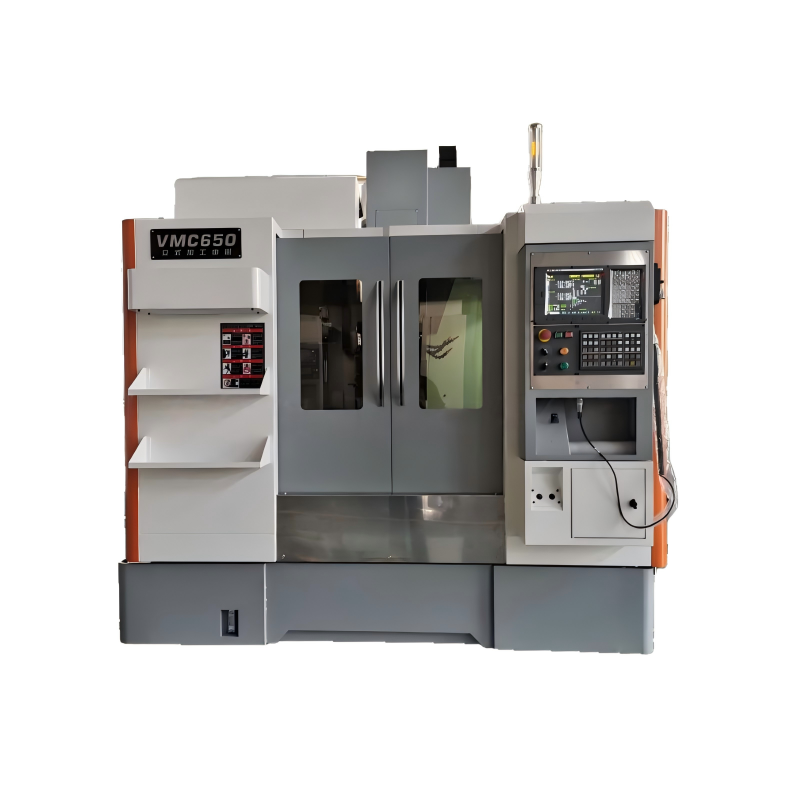
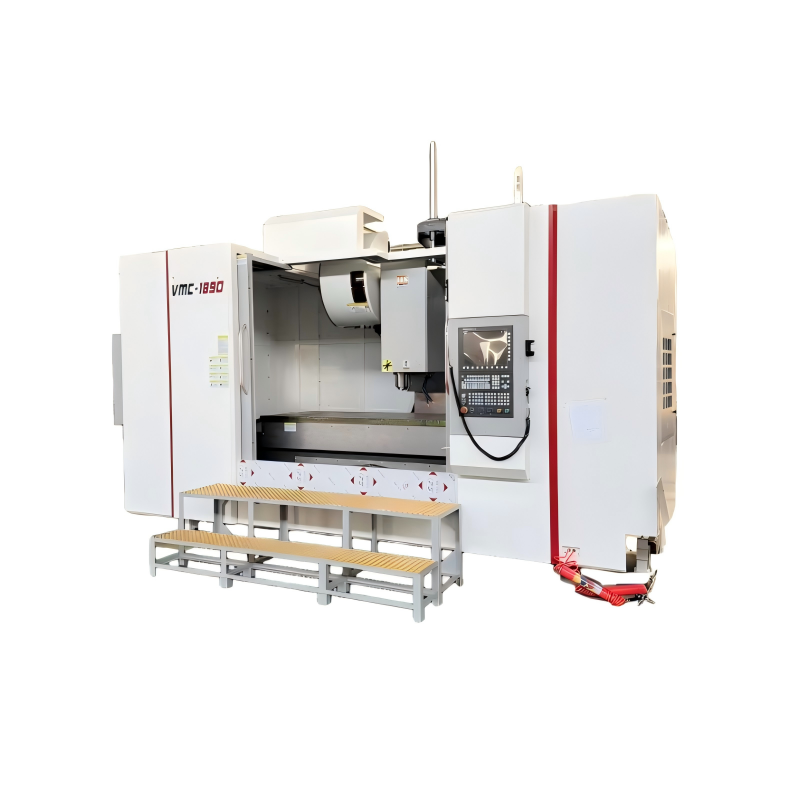
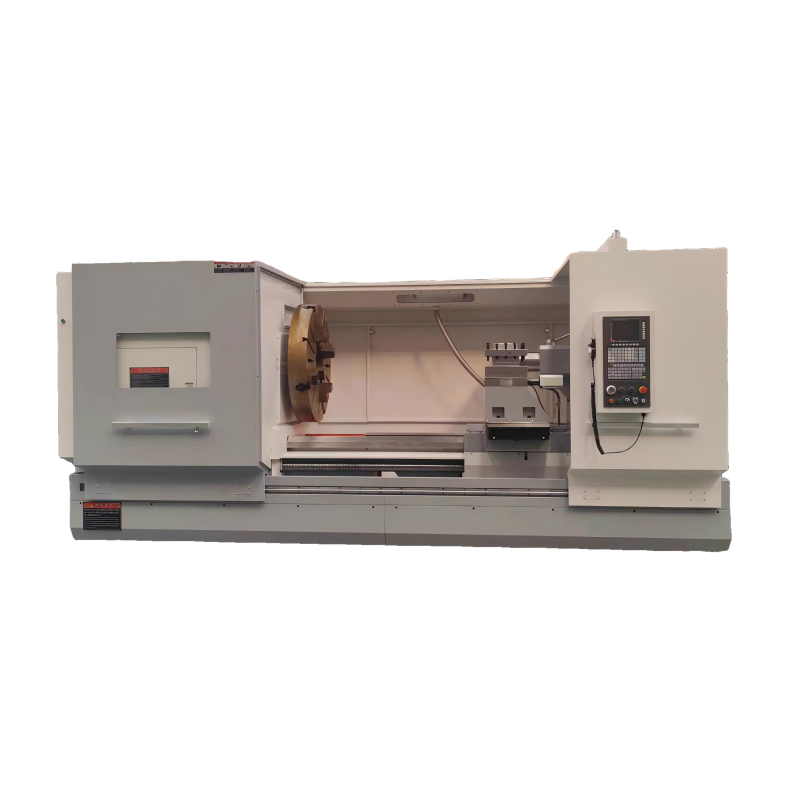
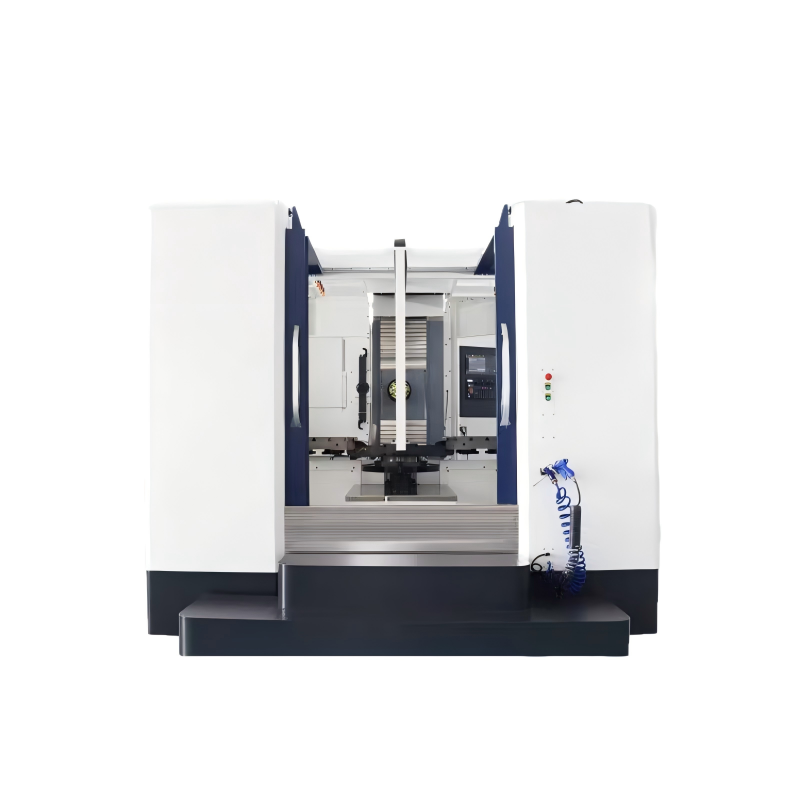
In the realm of precision engineering, CNC (Computer Numerical Control) lathes have become indispensable tools, especially for the fabrication of long shafts. This article delves into the specific benefits that CNC Lathes offer in the context of long shaft machining, highlighting their advantages over traditional methods and discussing how they contribute to improved productivity, accuracy, and cost-efficiency.
One of the most significant advantages of using a CNC lathe for long shaft machining is the enhanced precision and consistency it provides. Unlike manual lathes, which rely on the skill and experience of the operator, CNC lathes are controlled by computer programs. These programs can be programmed with extremely precise specifications, ensuring that each part is machined to the exact same dimensions, every time. This level of precision is particularly crucial in long shaft machining, where even minor deviations can lead to significant performance issues in the final product.
Moreover, CNC lathes can maintain this high level of precision over extended periods, making them ideal for large production runs. The ability to produce consistent, high-quality parts without the need for frequent recalibration or adjustments significantly reduces the risk of defects and rework, thereby improving overall efficiency and reducing costs.
CNC lathes also offer substantial increases in productivity and efficiency, particularly in the context of long shaft machining. Traditional lathes require constant supervision and manual intervention, which can be time-consuming and labor-intensive. In contrast, CNC lathes can operate autonomously once the program is set, allowing operators to focus on other tasks or oversee multiple machines simultaneously.
Additionally, CNC lathes can perform complex operations with ease, such as threading, tapering, and contouring, all in a single setup. This capability not only saves time but also reduces the need for multiple setups, which can introduce errors and inconsistencies. The ability to complete multiple operations in one go significantly streamlines the manufacturing process, leading to faster production cycles and lower overall costs.
Another key benefit of using a CNC lathe for long shaft machining is its cost-effectiveness and efficient use of materials. CNC lathes are highly efficient in terms of material utilization, as they can be programmed to minimize waste. This is particularly important when working with expensive materials, such as high-strength alloys or specialty metals, where even small amounts of waste can add up to significant costs.
Furthermore, the automation and precision of CNC lathes reduce the likelihood of human error, which can lead to scrap and rework. By minimizing these errors, manufacturers can achieve higher yields and reduce the overall cost of production. Additionally, the ability to run CNC lathes 24/7, with minimal downtime, further enhances their cost-effectiveness by maximizing machine utilization and throughput.
CNC lathes offer a high degree of flexibility and adaptability, making them well-suited for a wide range of long shaft machining applications. The ability to quickly and easily reprogram the machine allows manufacturers to switch between different part designs and configurations with minimal downtime. This is particularly valuable in industries where product designs frequently change or where there is a need to produce a variety of different parts.
Moreover, modern CNC lathes often come equipped with advanced features such as tool changers, live tooling, and sub-spindles, which further enhance their versatility. These features allow for the integration of additional operations, such as milling and drilling, into the machining process, enabling the production of more complex and intricate parts. The flexibility and adaptability of CNC lathes make them an ideal choice for both small-batch and high-volume production environments.
Finally, CNC lathes provide robust quality control and traceability capabilities, which are essential in the manufacturing of long shafts. The use of computer programs and automated processes ensures that each part is machined to the exact specifications, and any deviations can be quickly identified and corrected. This level of control is critical in industries where the performance and reliability of the final product depend on the accuracy of the machined components.
Additionally, many CNC lathes are equipped with data collection and monitoring systems that can track and record various parameters during the machining process. This data can be used for quality assurance, process improvement, and compliance with industry standards. The ability to trace the history of each part, from raw material to finished product, provides a level of transparency and accountability that is increasingly important in today's manufacturing landscape.
In conclusion, the use of a CNC lathe for long shaft machining offers numerous benefits, including enhanced precision and consistency, increased productivity and efficiency, cost-effectiveness and material utilization, flexibility and adaptability, and robust quality control and traceability. These advantages make CNC lathes an essential tool for manufacturers looking to improve the quality, speed, and cost-efficiency of their long shaft fabrication processes.
 20/06/2026
The advancement of CNC (Computer Numerical Control) lathes has significantly transformed the manufacturing landscape, particularly in industries that require high precision and consistency. This report delves into the impact of CNC lathe for long shaft ma
Read More20/06/2026The manufacturing industry, particularly in the realm of precision engineering, relies heavily on CNC (Computer Numerical Control) lathes for the production of long shafts. These machines are essential for achieving high accuracy and surface finish, which
Read More20/06/2026Introduction to CNC Lathe for Long Shaft MachiningThe advent of Computer Numerical Control (CNC) lathes has revolutionized the manufacturing industry, especially in the machining of long shafts. A CNC lathe for long shaft machining is a precision machine
Read More19/06/2026When it comes to machining long shafts, the use of a CNC lathe for long shaft machining is indispensable. This article delves into the key considerations that must be taken into account when performing such operations, providing valuable insights and prac
Read More19/06/2026In the realm of precision engineering, the ability to machine long shafts with high accuracy and efficiency is crucial. This report delves into how CNC lathes for long shaft machining have revolutionized the manufacturing process, offering superior result
Read More18/06/2026Understanding the Unique Challenges of Long Shaft MachiningThe machining of long shafts presents unique challenges that go beyond those encountered in typical CNC lathe operations. One major issue is maintaining straightness and roundness over extended le
Read More18/06/2026The utilization of CNC lathe for long shaft machining has revolutionized the manufacturing industry, offering unparalleled precision and efficiency. This report aims to explore how CNC lathes can be optimized for long shaft machining, providing insights i
Read More18/06/2026In the realm of precision manufacturing, CNC lathe for long shaft machining stands out as a critical tool for producing high-quality components. This report delves into the advanced features that make CNC lathes indispensable for complex long shaft projec
Read More17/06/2026Long shaft machining with a CNC lathe is a specialized process that requires precision, skill, and the right equipment. This technical report aims to provide essential tips for achieving high-quality results in long shaft machining. The focus will be on o
Read More17/06/2026Optimizing CNC lathe settings for long shaft machining is a critical process that significantly impacts the quality, efficiency, and cost-effectiveness of production. Long shafts, often used in automotive, aerospace, and industrial machinery, require prec
Read More17/06/2026With the advancement of technology, CNC lathes have become an indispensable tool in the manufacturing industry, especially for long shaft machining. This report aims to explore the capabilities of CNC lathes when it comes to working with long shafts, high
Read More16/06/2026The manufacturing industry has seen a significant transformation with the advent of Computer Numerical Control (CNC) technology. Among the various applications, the role of CNC lathes in high-quality long shaft manufacturing stands out as particularly cru
Read More16/06/2026In the realm of precision engineering, advancements in technology have continuously pushed the boundaries of what is possible, especially when it comes to machining long shafts. The CNC lathe, a cornerstone of modern manufacturing, has seen significant in
Read More16/06/2026In the realm of precision manufacturing, the CNC lathe for long shaft machining stands out as a critical tool. This article delves into the advanced techniques and methodologies employed in the precision machining of long shafts using CNC lathes, providin
Read MoreOur professional sales team is always ready to assist you.