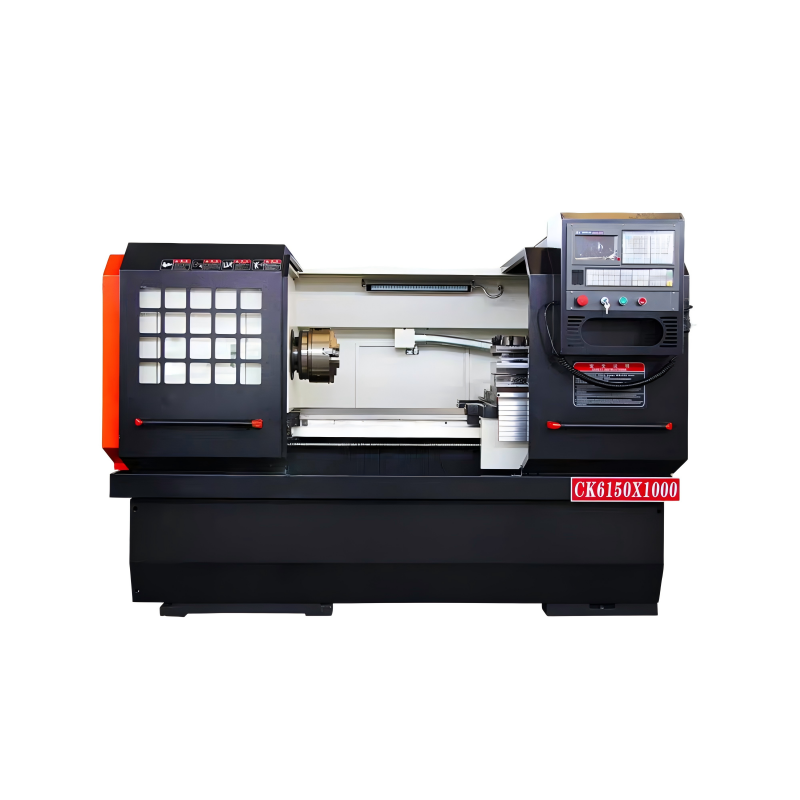
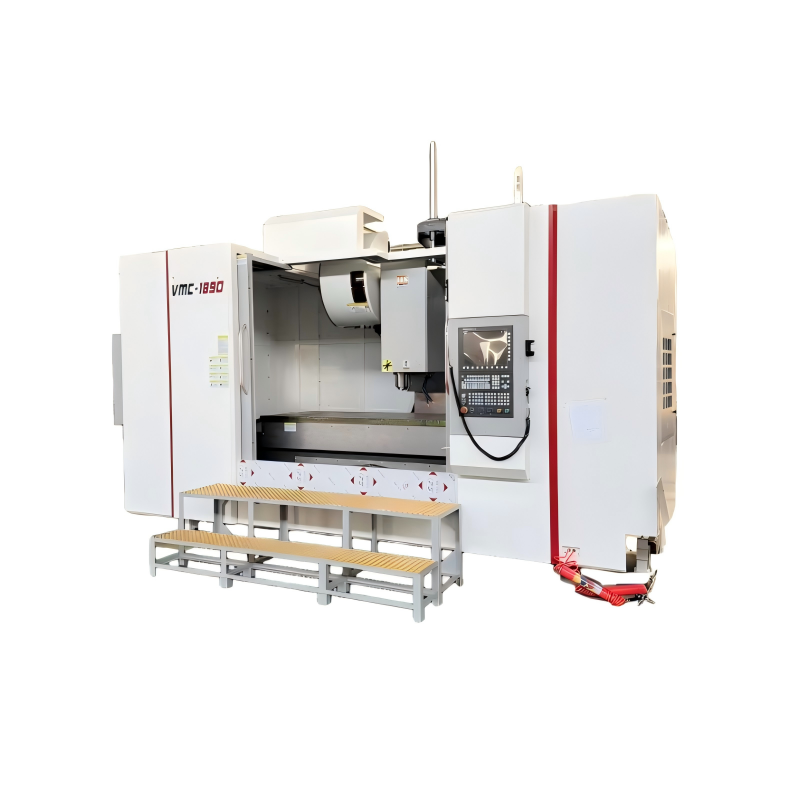
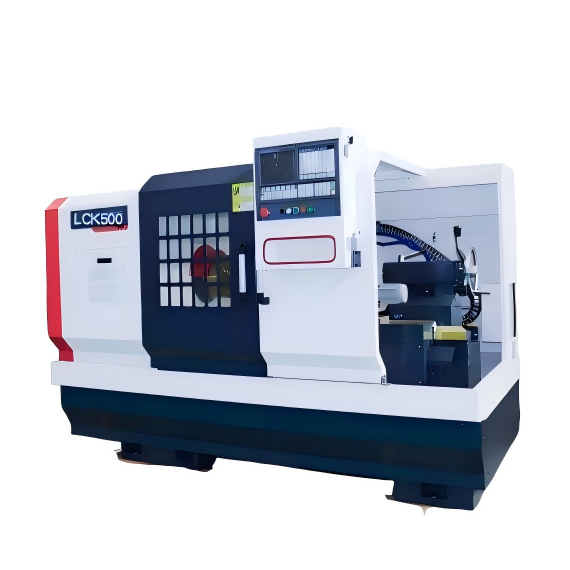
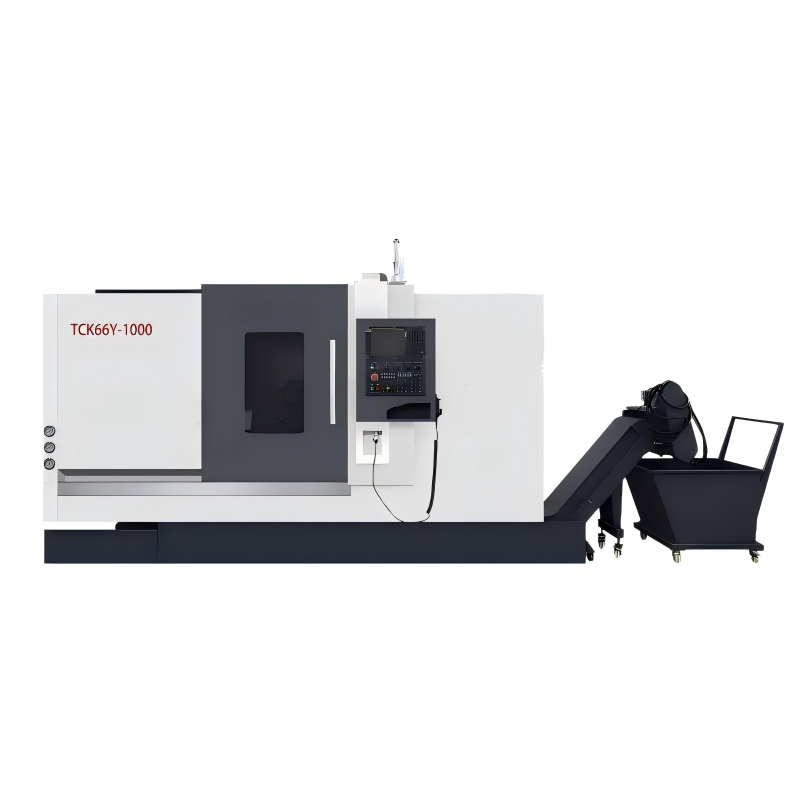
The evolution of manufacturing technologies has led to the development of advanced machining solutions, with 4 Axis Vertical Machining Centers (VMCs) standing out as a significant advancement. These machines are designed to handle complex and precise machining tasks, offering manufacturers increased flexibility and efficiency. This report will explore the cost-effectiveness of 4 Axis VMCs in long-term use, focusing on key factors that contribute to their economic viability.
One of the primary advantages of 4 Axis VMCs is their ability to perform a wide range of operations, including milling, drilling, and tapping, all within a single setup. This capability significantly reduces the need for multiple machine setups, which can be both time-consuming and costly. By minimizing the number of required setups, 4 Axis VMCs not only speed up the production process but also reduce the likelihood of errors associated with repositioning the workpiece. The enhanced productivity translates into a more efficient use of labor and resources, ultimately leading to lower operational costs over time.
Another critical factor contributing to the cost-effectiveness of 4 Axis VMCs is their robust design and reliability. These machines are built to withstand the rigors of continuous operation, resulting in fewer breakdowns and less downtime. Additionally, modern 4 Axis VMCs are equipped with advanced monitoring systems that can detect potential issues before they become major problems, allowing for proactive maintenance. This proactive approach not only extends the lifespan of the machine but also minimizes the need for costly repairs and replacements. Over the long term, the reduced downtime and maintenance costs can result in substantial savings for manufacturers.
4 Axis VMCs are known for their high precision and accuracy, which are essential for producing parts with tight tolerances. The ability to maintain consistent quality across large production runs is a significant advantage, as it reduces the number of defective parts and the associated rework costs. Furthermore, the improved part quality can lead to higher customer satisfaction and potentially open up new business opportunities. In the long run, the combination of reduced rework and increased customer satisfaction can have a positive impact on a company's bottom line.
Investing in a 4 Axis VMC is not just about meeting current production needs; it is also about preparing for future growth and technological advancements. These machines are highly scalable, allowing manufacturers to easily adapt to changes in production volume or product complexity. Moreover, many 4 Axis VMCs are designed with future-proofing in mind, meaning they can be upgraded with new software and hardware as technology evolves. This scalability and future-proofing capability ensure that the initial investment in a 4 Axis VMC remains valuable and relevant over an extended period, providing a strong return on investment.
In conclusion, the cost-effectiveness of 4 Axis VMCs in long-term use is driven by several key factors, including enhanced productivity, reduced downtime and maintenance costs, improved part quality, and scalability. By leveraging these advantages, manufacturers can achieve significant cost savings and operational efficiencies, making 4 Axis VMCs a smart investment for the future.
 27/06/2026
Understanding the Core Components of a 4 Axis Vertical Machining CenterA 4 Axis Vertical Machining Center represents a significant advancement in machining technology, providing manufacturers with an efficient and versatile solution for producing complex
Read More27/06/2026Understanding the Importance of Regular MaintenanceMaintaining a 4 Axis Vertical Machining Center is crucial for ensuring its optimal performance and longevity. These sophisticated machines, which are designed to handle complex and precise machining tasks
Read More27/06/2026Understanding the Capabilities of 4 Axis Vertical Machining CentersThe introduction of 4 Axis Vertical Machining Centers (VMCs) has revolutionized the manufacturing industry, offering a versatile and efficient solution for producing complex parts. A 4 Axi
Read More26/06/2026The rapid advancements in manufacturing technology have propelled the industry into a new era, characterized by increased efficiency, precision, and versatility. One of the key technologies driving this transformation is the 4 Axis Vertical Machining Cent
Read More26/06/2026Advancements in Precision and AccuracyThe 4 Axis Vertical Machining Center (VMC) has seen significant advancements in recent years, particularly in terms of precision and accuracy. These improvements are largely due to the integration of advanced servo mo
Read More26/06/2026The Evolution of 4 Axis Vertical Machining Centers in ManufacturingThe 4 axis vertical machining center has become a cornerstone in the manufacturing industry, offering an enhanced level of precision and efficiency over its predecessors. These machines ar
Read More26/06/2026Introduction to 4 Axis Vertical Machining CentersThe 4 axis vertical machining center is a critical tool in modern manufacturing, offering an enhanced level of precision and flexibility compared to traditional 3-axis machines. This type of machine adds an
Read More25/06/2026Understanding the Basics of 4 Axis Vertical Machining CentersA 4 Axis Vertical Machining Center (VMC) is a sophisticated piece of machinery that has significantly advanced the capabilities of modern manufacturing. Unlike its 3-axis counterpart, which oper
Read More25/06/2026When it comes to investing in a 4 Axis Vertical Machining Center, the decision requires careful consideration of multiple factors. This type of machining center is designed to provide precision and efficiency, making it a critical asset for many manufactu
Read More25/06/2026The evolution of machining technology has led to the development of advanced systems capable of performing complex operations with high precision. Among these, the 4 Axis Vertical Machining Center stands out as a versatile and efficient solution for vario
Read More25/06/2026Vertical machining centers, especially those with 4-axis capabilities, have become indispensable in modern manufacturing environments. These machines are designed to offer a high degree of precision and flexibility, making them suitable for a wide range o
Read More24/06/2026In the realm of modern manufacturing, precision and efficiency are paramount. The 4 Axis Vertical Machining Center (VMC) has emerged as a pivotal tool in achieving these goals. This report delves into how a 4 Axis VMC can be leveraged to maximize efficien
Read More24/06/2026Understanding the Capabilities of a 4 Axis Vertical Machining CenterA 4 axis vertical machining center represents a significant leap in the capabilities of traditional 3-axis machines, adding an additional rotational axis that allows for more complex part
Read More24/06/2026The advent of 4 Axis Vertical Machining Centers (VMCs) has revolutionized the manufacturing industry, especially in high-volume production environments. These advanced machines are capable of performing complex operations with high precision and efficienc
Read More24/06/2026In the realm of precision engineering, advancements in technology have consistently pushed the boundaries of what is possible. Among these technological marvels, the 4 Axis Vertical Machining Center stands out as a revolutionary tool that has transformed
Read More23/06/2026Vertical machining centers (VMCs) have long been a staple in the manufacturing industry, providing precision, efficiency, and versatility. Among these, the 4 Axis Vertical Machining Center stands out as a highly advanced and capable machine, designed to h
Read More23/06/2026Understanding the Basics of 4 Axis Vertical Machining CentersA 4 axis vertical machining center represents a significant leap in the capabilities of traditional CNC (Computer Numerical Control) machines. Unlike its 3-axis counterpart, which can only move
Read More23/06/2026Understanding the 4 Axis Vertical Machining Center The advent of advanced manufacturing technologies has significantly transformed the production landscape, with the 4 Axis Vertical Machining Center (VMC) standing out as a pivotal tool in modern manufactu
Read More23/06/2026IntroductionThe 4 Axis Vertical Machining Center (VMC) represents a significant advancement in the field of manufacturing, particularly when it comes to the production of complex parts. This technology has revolutionized the way intricate components are m
Read MoreOur professional sales team is always ready to assist you.