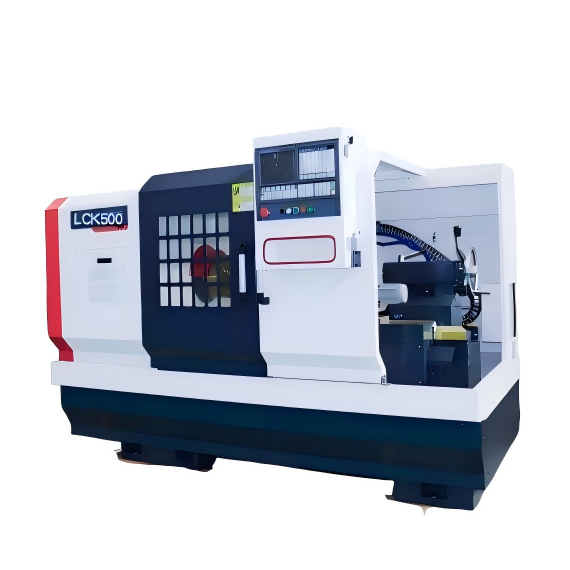
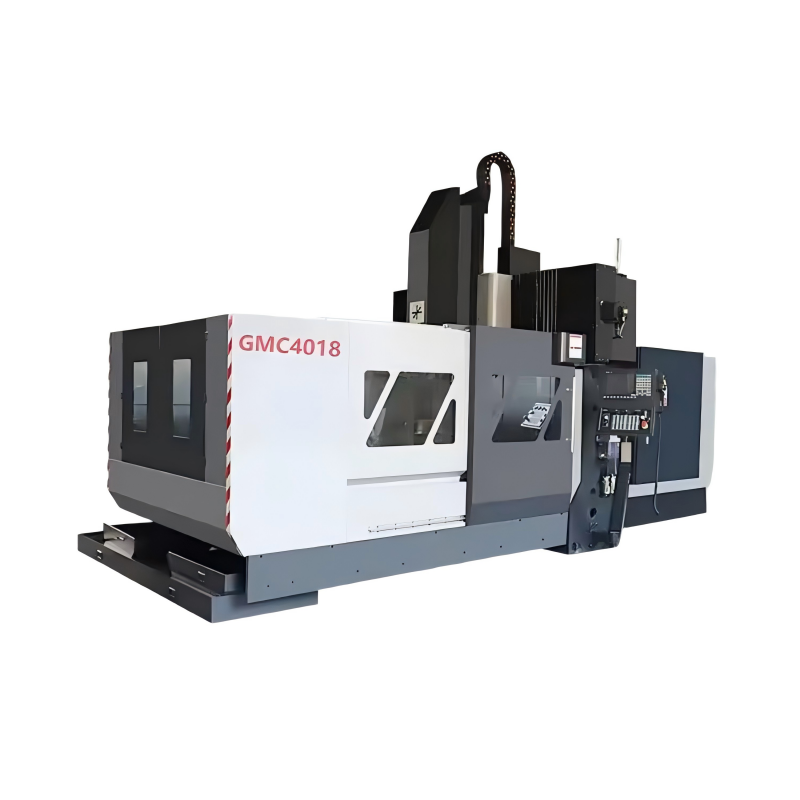
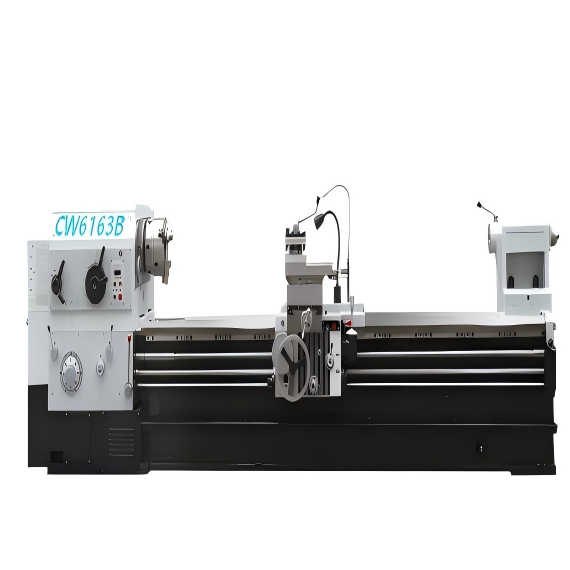
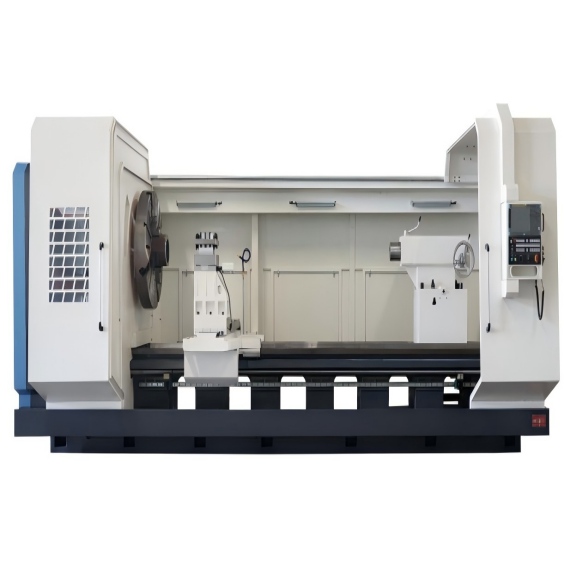
Industrial lathe machines, also known as metal lathes, are essential tools in manufacturing processes across various industries. These machines play a crucial role in shaping and machining parts with high precision. Over the years, advancements in technology have led to innovative applications of industrial lathe machines, expanding their utility and improving efficiency. This report explores some of the most significant and innovative uses of industrial lathe machines in different sectors.
The integration of Computer Numerical Control (CNC) technology into industrial lathe machines has revolutionized the way these machines operate. CNC Lathes use computer-aided design (CAD) and computer-aided manufacturing (CAM) software to control the machine's movements, resulting in higher precision and repeatability. This technology allows for the creation of complex geometries and intricate designs that would be nearly impossible to achieve with manual lathes. Additionally, CNC lathes can operate continuously without the need for constant human intervention, leading to increased productivity and reduced labor costs. The automotive industry, for example, has benefited greatly from this technology, as it enables the production of high-precision engine components and other critical parts.
Traditionally, industrial lathe machines were primarily used for machining metals such as steel, aluminum, and brass. However, recent advancements have expanded their capabilities to include a wider range of materials, including plastics, composites, and even exotic alloys. This versatility has opened up new applications in industries such as aerospace, where lightweight and high-strength materials are in high demand. For instance, the aerospace industry now uses industrial lathe machines to produce components for aircraft engines and structural parts, which require both high precision and durability. The ability to work with a variety of materials has also made industrial lathe machines indispensable in the medical device industry, where they are used to manufacture surgical instruments and implantable devices.
The concept of Industry 4.0, which emphasizes the use of automation, data exchange, and real-time analytics, has had a significant impact on the way industrial lathe machines are utilized. Modern industrial lathe machines are often equipped with sensors and connectivity features that allow them to communicate with other machines and systems in the factory. This integration enables real-time monitoring of the machining process, predictive maintenance, and optimization of production workflows. For example, a lathe machine can automatically adjust its parameters based on the material being machined and the desired outcome, reducing waste and improving quality. Furthermore, the data collected from these machines can be analyzed to identify trends, optimize performance, and make informed decisions about future investments. This level of integration is particularly beneficial in large-scale manufacturing operations, where even small improvements in efficiency can result in significant cost savings.
As the manufacturing landscape continues to evolve, the role of industrial lathe machines will only become more critical. The ongoing advancements in technology, coupled with the increasing demand for high-precision and versatile machining solutions, ensure that these machines will remain at the forefront of innovation in various industries. By embracing the latest technologies and exploring new applications, manufacturers can leverage the full potential of industrial lathe machines to drive growth and maintain a competitive edge.
 26/06/2026
Understanding the Role of Industrial Lathe Machines in Modern ManufacturingThe industrial lathe machine plays a crucial role in today's manufacturing processes, serving as an essential tool for shaping and turning various materials with high precision. Th
Read More26/06/2026When it comes to precision machining, the industrial lathe machine is an indispensable tool in manufacturing. This versatile piece of equipment can be found in various industries, from automotive and aerospace to medical and electronics. However, with so
Read More26/06/2026Industrial Lathe Machines play a crucial role in manufacturing, allowing for the precise shaping of metal and other materials. However, with their powerful capabilities comes the necessity for stringent safety protocols to ensure the well-being of operato
Read More25/06/2026The Emergence and Early Development of Industrial Lathe MachinesIn the annals of manufacturing history, the industrial lathe machine has been a cornerstone in the evolution of precision engineering. Its origins can be traced back to ancient civilizations
Read More25/06/2026Industrial lathe machines have been a cornerstone of manufacturing processes for centuries, evolving from simple hand-operated devices to sophisticated, automated systems. In today's fast-paced industrial landscape, the transition towards automation is no
Read More25/06/2026Understanding the Basics of an Industrial Lathe MachineAn industrial lathe machine is a fundamental tool in the manufacturing industry, used for shaping materials by rotating them against a cutting tool. This process, known as turning, can create complex
Read More25/06/2026The evolution of industrial lathe machines has been a significant driving force behind the advancement of manufacturing processes, enabling more precise, efficient, and versatile production capabilities. This report delves into the historical development
Read More24/06/2026Industrial lathe machines play a crucial role in manufacturing processes, providing the precision and efficiency needed for turning, facing, and threading operations. Proper maintenance of these machines is essential to ensure their longevity, performance
Read More24/06/2026The industrial lathe machine stands as a cornerstone in the world of manufacturing, playing an indispensable role in shaping materials with precision and efficiency. As technology advances, so too does the potential for optimizing these machines to delive
Read More24/06/2026IntroductionSelecting the right industrial lathe machine is a critical decision for any workshop, as it directly impacts productivity, precision, and overall efficiency. An industrial lathe machine is an essential tool in manufacturing, capable of perform
Read More23/06/2026The industrial lathe machine has long been a cornerstone of manufacturing, providing the precision and versatility needed to shape materials into intricate parts. As technology advances, these machines continue to evolve, incorporating new features that e
Read More23/06/2026Industrial Lathe Machines play a crucial role in the manufacturing industry, particularly when it comes to creating cylindrical parts with high precision. The importance of precision cannot be overstated, as even the slightest deviation can result in subs
Read More23/06/2026Industrial lathe machines are essential tools in the manufacturing and engineering sectors, playing a crucial role in shaping and machining various materials. These machines are designed to rotate a workpiece on its axis to perform operations such as cutt
Read More23/06/2026In the realm of modern manufacturing, the Industrial Lathe Machine stands as a cornerstone, enabling precise and efficient production processes. This versatile tool has evolved significantly over the years, adapting to the changing demands of the industry
Read MoreOur professional sales team is always ready to assist you.