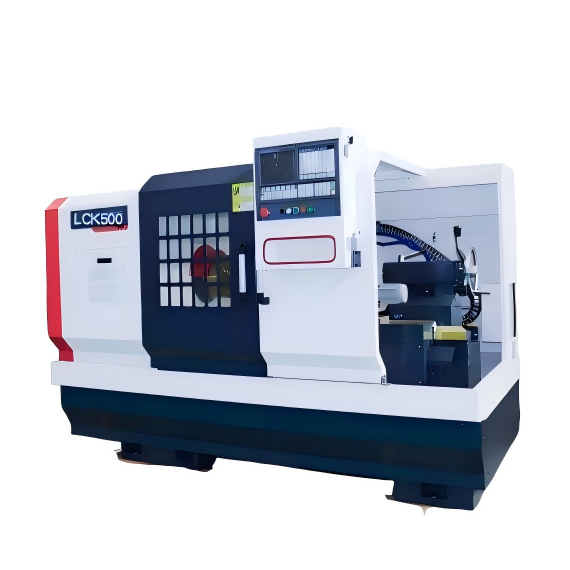
In the realm of precision manufacturing, Two-Axis CNC Lathes play a pivotal role in producing high-quality components. The selection of materials is a critical factor that influences not only the efficiency of the machining process but also the final product's performance. This report delves into how material selection impacts the outcomes when using a Two-Axis CNC Lathe.
Material Properties and Machinability
The machinability of a material is defined by its ability to be cut, shaped, drilled, or otherwise formed by machine tools with minimal wear on the tool and without excessive power consumption. Materials with better machinability can be processed more efficiently, leading to higher productivity and lower costs. For a Two-Axis CNC Lathe, the hardness, thermal conductivity, and chemical composition of the material are key factors. Harder materials, such as stainless steel, require more robust cutting tools and may result in slower machining speeds. Conversely, softer materials like aluminum can be machined at higher speeds, reducing production time. However, softer materials may also lead to increased tool wear due to their tendency to adhere to the cutting edge.
Surface Finish and Dimensional Accuracy
The surface finish and dimensional accuracy of a part are directly influenced by the material's properties and the machining parameters used. In a Two-Axis CNC Lathe, the choice of material affects the surface roughness and the tolerance that can be achieved. For instance, materials with a fine grain structure, such as brass, can produce smoother surfaces and tighter tolerances. On the other hand, materials with a coarse grain structure, like cast iron, may result in a rougher surface finish and larger tolerances. Additionally, the thermal expansion coefficient of the material must be considered, as it can affect the part's dimensions during and after machining. Materials with a low thermal expansion coefficient, such as certain alloys, are preferred for applications where dimensional stability is crucial.
Tool Life and Maintenance
The longevity of cutting tools and the frequency of maintenance are significantly affected by the material being machined. Hard and abrasive materials, such as titanium, can cause rapid tool wear, necessitating frequent tool changes and increasing operational costs. In contrast, materials with good lubricity, such as bronze, can extend tool life and reduce the need for maintenance. To optimize tool life, it is essential to select the appropriate cutting tool material and geometry, as well as to use the correct cutting parameters. For example, using coated carbide tools and applying coolant can improve tool life when machining hard materials. Regular maintenance, including tool sharpening and replacement, is also crucial to ensure consistent performance and prevent downtime.
Economic Considerations
The economic impact of material selection extends beyond the initial cost of the material itself. Factors such as machining time, tooling costs, and scrap rates all contribute to the overall cost of production. Materials that are easier to machine, such as aluminum, can reduce machining time and tooling costs, making them more economical for high-volume production. However, the cost of raw materials must also be considered. For example, while stainless steel is more expensive than carbon steel, its superior corrosion resistance and mechanical properties may justify the higher cost in certain applications. Additionally, the potential for recycling and reusing materials can also influence the economic viability of a project. Materials that can be easily recycled, such as aluminum, can reduce waste and lower long-term costs.
Environmental Impact
The environmental impact of material selection in Two-Axis CNC Lathe operations is an increasingly important consideration. The choice of material can affect the amount of energy consumed during machining, the generation of waste, and the overall carbon footprint of the manufacturing process. For example, machining aluminum requires less energy compared to machining steel, resulting in lower energy consumption and reduced greenhouse gas emissions. Additionally, the use of sustainable and recyclable materials can help minimize the environmental impact. Materials that can be recycled, such as aluminum and copper, can reduce the demand for virgin materials and decrease the amount of waste sent to landfills. Furthermore, the use of eco-friendly cutting fluids and the implementation of efficient waste management practices can further enhance the environmental sustainability of the machining process.
In conclusion, the selection of materials for use in a Two-Axis CNC Lathe has a profound impact on the machining process, the quality of the final product, and the overall economic and environmental sustainability of the operation. By carefully considering the material properties, machinability, and the specific requirements of the application, manufacturers can optimize their processes to achieve the best possible outcomes.
 26/06/2026



