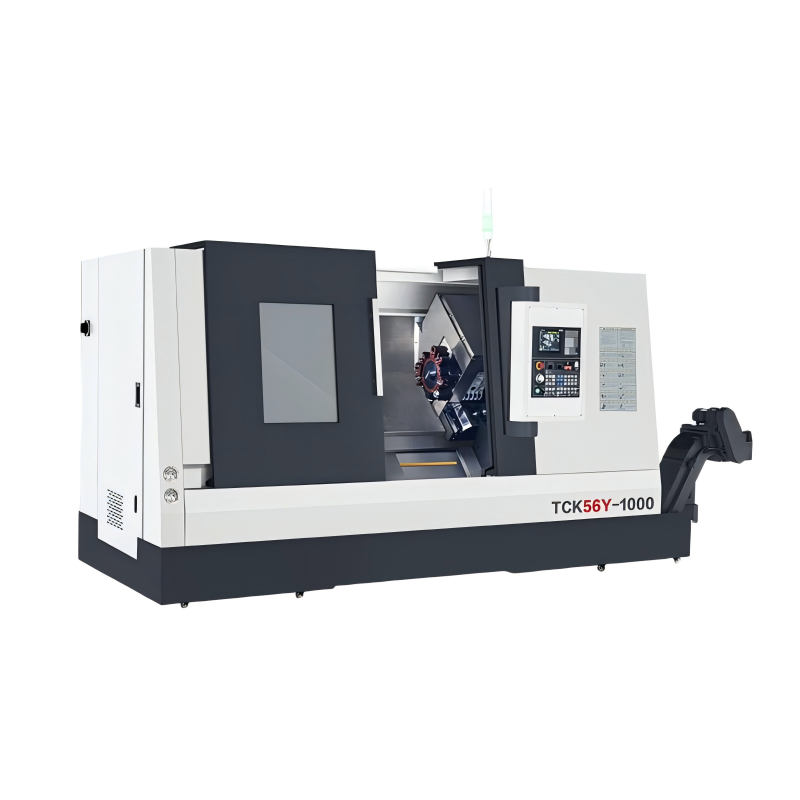
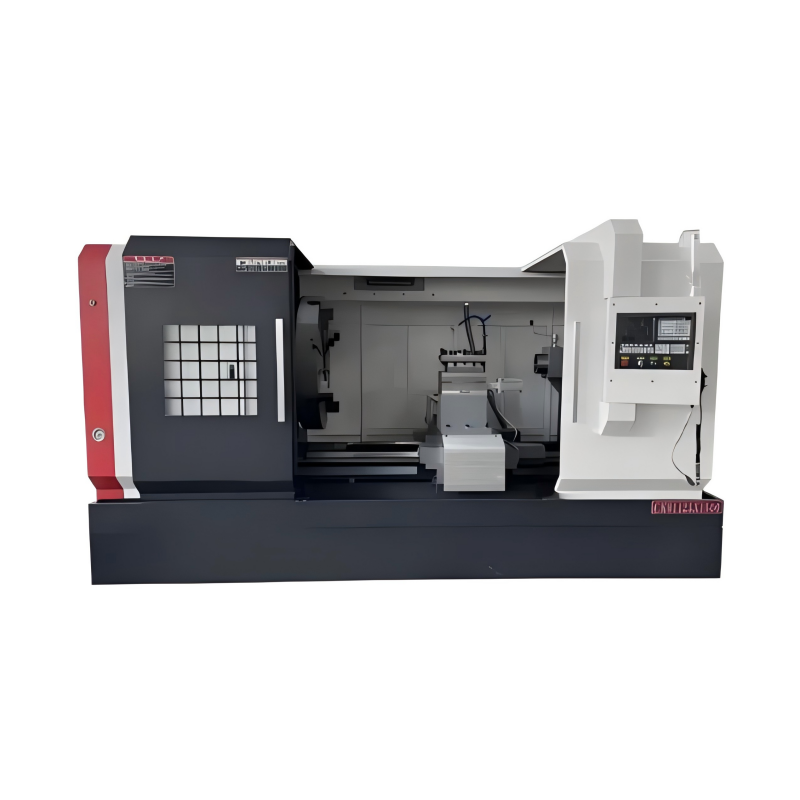
A Comprehensive Guide to Maintaining Your Two-Axis CNC Lathe is designed to provide a detailed and practical approach to ensuring the longevity and optimal performance of your machine. This guide delves into essential maintenance practices, troubleshooting tips, and preventive measures that can significantly reduce downtime and improve efficiency. By following these recommendations, operators and maintenance personnel will be better equipped to handle the day-to-day operations and long-term care of their two-axis CNC Lathe.
The two-axis CNC (Computer Numerical Control) lathe is a versatile and precise tool used in manufacturing for turning, facing, threading, and drilling operations. It operates on two primary axes: the X-axis, which controls the cross-slide movement, and the Z-axis, which controls the spindle's longitudinal movement. The precision and repeatability of these machines make them indispensable in various industries, including automotive, aerospace, and medical device manufacturing.
To maintain the high level of accuracy and performance, it is crucial to understand the components and functions of a two-axis CNC lathe. The key components include the spindle, tool turret, chuck, and control system. Each of these parts plays a vital role in the overall operation and must be maintained regularly to ensure optimal performance.
Regular maintenance is the cornerstone of keeping a two-axis CNC lathe in top condition. A well-maintained machine not only performs better but also reduces the likelihood of unexpected breakdowns. Here are some essential maintenance practices:
By adhering to these regular maintenance practices, you can extend the life of your two-axis CNC lathe and minimize downtime.
A preventive maintenance schedule is a proactive approach to maintaining your two-axis CNC lathe. It involves performing specific tasks at regular intervals to prevent potential issues before they occur. Here is a sample preventive maintenance schedule:
| Frequency | Task |
|---|---|
| Daily | Check and clean the work area, lubricate moving parts, and inspect the spindle for any abnormalities. |
| Weekly | Inspect the tool turret and tool holders, check the coolant system, and clean the filters. |
| Monthly | Perform a thorough inspection of the electrical connections, check the alignment of the ways and slides, and update the control system software if necessary. |
| Quarterly | Replace the spindle bearings (if required), check the hydraulic system, and perform a full calibration of the machine. |
| Annually | Conduct a comprehensive inspection of all components, including the spindle, tool turret, and control system. Replace any worn or damaged parts and perform a complete overhaul of the machine. |
Following this preventive maintenance schedule can help you identify and address potential issues early, reducing the risk of costly repairs and downtime.
Despite regular maintenance, occasional issues may still arise with your two-axis CNC lathe. Being able to troubleshoot and resolve these problems quickly is essential for minimizing downtime. Here are some common issues and their solutions:
By understanding the common issues and their solutions, you can quickly diagnose and resolve problems, ensuring that your two-axis CNC lathe continues to operate efficiently.
Maintaining a two-axis CNC lathe is a critical aspect of ensuring its longevity and optimal performance. By following the regular maintenance practices, adhering to a preventive maintenance schedule, and being able to troubleshoot common issues, you can keep your machine in top condition. This guide provides a comprehensive approach to maintaining your two-axis CNC lathe, helping you to maximize its efficiency and minimize downtime.
Remember, the key to successful maintenance is consistency and attention to detail. Regular inspections, timely repairs, and proper care will ensure that your two-axis CNC lathe remains a reliable and productive asset in your manufacturing process.
 26/06/2026
Understanding the Basics of Two-Axis CNC LathesThe foundation of maximizing efficiency on a two-axis CNC lathe lies in understanding its fundamental operations and capabilities. A two-axis CNC lathe primarily operates along the X and Z axes, where the X a
Read More26/06/2026In the realm of precision manufacturing, Two-Axis CNC Lathes play a pivotal role in producing high-quality components. The selection of materials is a critical factor that influences not only the efficiency of the machining process but also the final prod
Read More26/06/2026In the realm of modern manufacturing, the integration of advanced machinery plays a pivotal role in enhancing productivity, precision, and efficiency. One such piece of equipment that has revolutionized the production process is the Two-Axis CNC Lathe. Th
Read More25/06/2026The advent of computer numerical control (CNC) technology has revolutionized the manufacturing industry, enabling precise and efficient production processes. Among the various types of CNC machines, the Two-Axis CNC Lathe stands out for its versatility an
Read More25/06/2026A Two-Axis CNC Lathe is an essential piece of equipment for many manufacturing processes, offering precision and efficiency in the production of cylindrical parts. This type of lathe operates on two primary axes - X (horizontal) and Z (vertical), allowing
Read More25/06/2026Understanding the Basics of Two-Axis CNC Lathes The two-axis CNC (Computer Numerical Control) lathe is a versatile machine used in manufacturing for turning and shaping metal or plastic parts. It operates on two axes: X, which controls the horizontal move
Read More24/06/2026Two-Axis CNC Lathes have become an indispensable part of modern machining processes, revolutionizing the way we manufacture parts and components. This report aims to explore the critical role of two-axis CNC lathes in contemporary manufacturing, highlight
Read More24/06/2026In the realm of modern manufacturing, Two-Axis CNC Lathes stand out as powerful tools for precision machining. These machines are not only capable of producing highly accurate parts but also offer a range of features that make them indispensable in variou
Read More24/06/2026A Comprehensive Guide to Maintenance for Two-Axis CNC LathesUnderstanding the Basics of a Two-Axis CNC LatheThe foundation of effective maintenance begins with a thorough understanding of the equipment in question. A two-axis CNC lathe is a precision mach
Read More23/06/2026Understanding the Basics of a Two-Axis CNC LatheIn the realm of modern manufacturing, precision and efficiency are paramount. A Two-Axis CNC Lathe represents a significant advancement in machining technology, enabling manufacturers to achieve higher level
Read More23/06/2026In the realm of precision manufacturing, two-axis CNC lathes play a crucial role in producing high-quality components with tight tolerances. These machines are indispensable for industries ranging from automotive to aerospace, where accuracy and repeatabi
Read More23/06/2026In the rapidly evolving landscape of manufacturing, the adoption of advanced machinery plays a pivotal role in enhancing productivity and efficiency. Among these, the Two-Axis CNC Lathe stands out as a versatile tool that can significantly impact producti
Read More22/06/2026Choosing the right tools for your Two-Axis CNC Lathe is a critical step in ensuring both the efficiency and quality of your machining processes. A well-equipped lathe can significantly enhance productivity, reduce downtime, and produce high-precision part
Read More22/06/2026In the realm of precision machining, Two-Axis CNC Lathes play a pivotal role in transforming raw materials into intricate and accurate components. This report aims to provide an in-depth understanding of the basics of Two-Axis CNC Lathe operations, highli
Read MoreOur professional sales team is always ready to assist you.