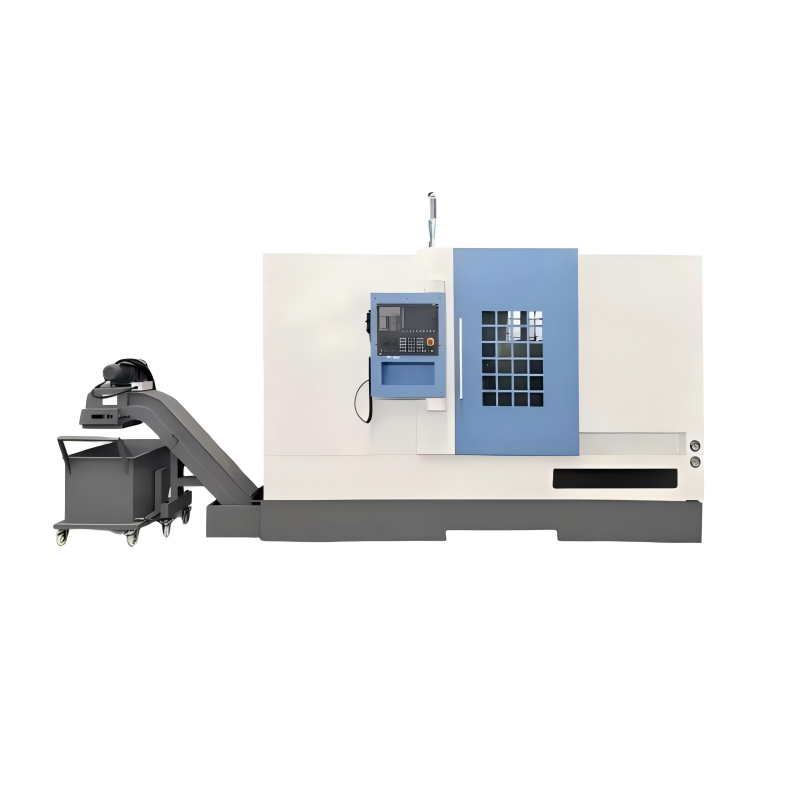
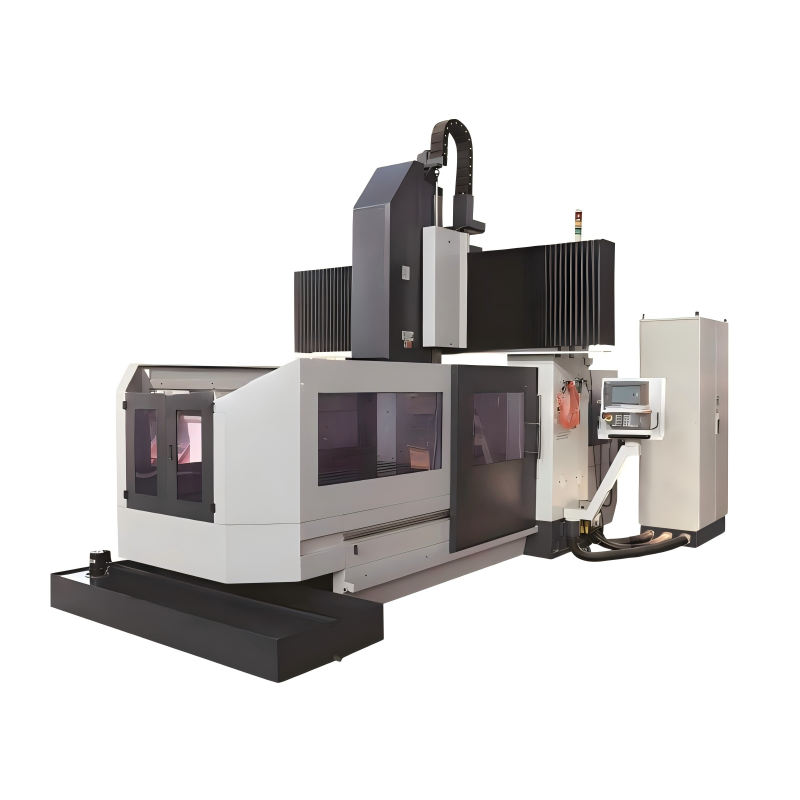
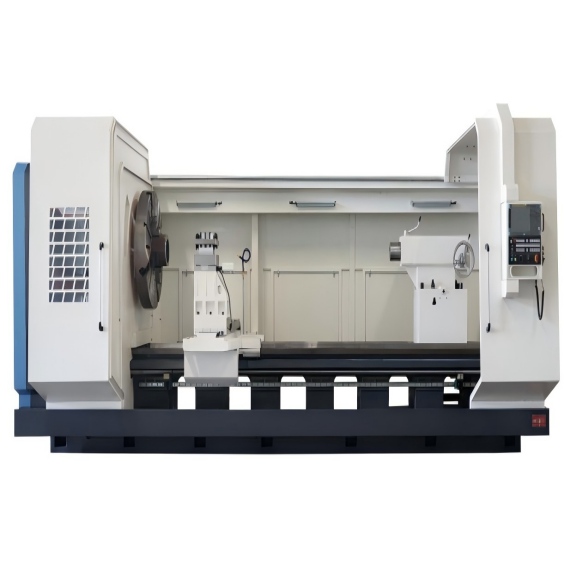
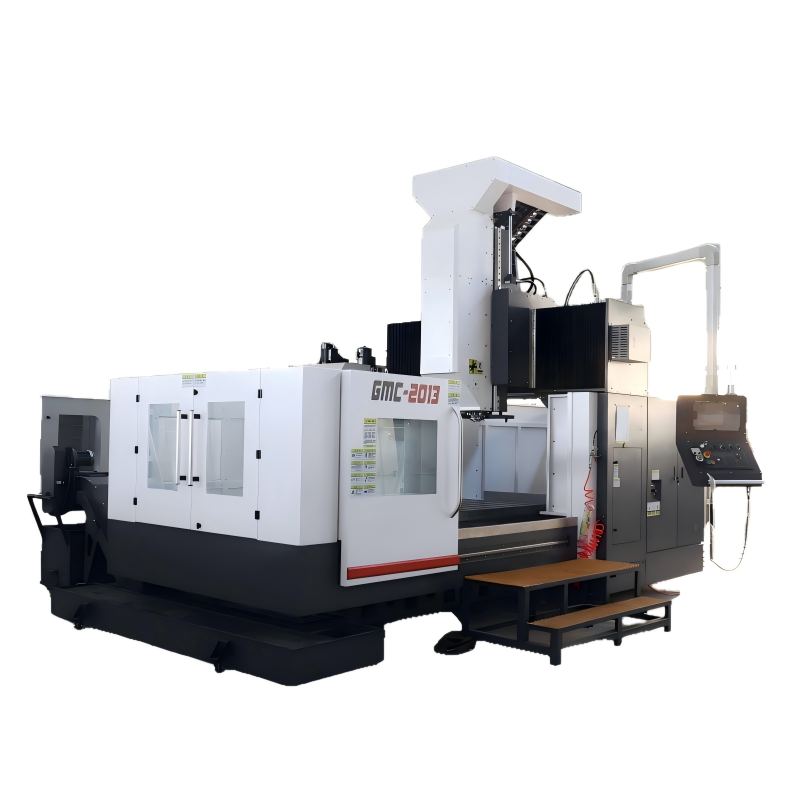
An Industrial Lathe Machine is a crucial piece of equipment in the manufacturing and machining industry. It is used for shaping metal, wood, or other materials by rotating them against cutting tools. However, operating such a machine requires precision, skill, and a deep understanding of safety protocols. In this report, we will explore common mistakes that operators should avoid to ensure safe and efficient operation of an industrial lathe machine.
One of the most critical factors in operating an Industrial Lathe Machine safely and effectively is proper training. Operators who lack adequate training are more likely to make mistakes that can lead to accidents, damage to the machine, or substandard work quality. Here are some key points to consider:
By investing in proper training and familiarization, companies can significantly reduce the risk of errors and improve overall productivity.
Safety should always be the top priority when operating an Industrial Lathe Machine. Failing to follow safety protocols and neglecting to use protective gear can have severe consequences. Here are some essential safety measures to observe:
Adhering to these safety protocols and using the appropriate protective gear can significantly reduce the risk of accidents and ensure a safer working environment.
Proper setup and tooling are essential for achieving accurate and high-quality results when using an Industrial Lathe Machine. Common mistakes in this area include incorrect alignment, improper tool selection, and inadequate clamping. Here are some key considerations:
By paying close attention to setup and tooling, operators can achieve better results and extend the life of the machine and tools.
Regular maintenance and cleaning are crucial for keeping an Industrial Lathe Machine in optimal condition. Neglecting these tasks can lead to decreased performance, increased downtime, and higher repair costs. Here are some important maintenance and cleaning practices:
By following a consistent maintenance and cleaning schedule, operators can ensure that the machine remains in good working order and operates efficiently over the long term.
Every Industrial Lathe Machine comes with detailed documentation and instructions provided by the manufacturer. These documents contain important information about the machine's operation, maintenance, and safety. Ignoring this documentation can lead to misuse and potential hazards. Here are some key points to consider:
By following the documentation and instructions provided by the manufacturer, operators can ensure that the machine is used correctly and safely, leading to better performance and longer machine life.
In conclusion, operating an Industrial Lathe Machine requires careful attention to detail, adherence to safety protocols, and a commitment to proper training and maintenance. By avoiding the common mistakes discussed in this report, operators can ensure a safer, more efficient, and more productive machining process.
 27/06/2026
Introduction to Industrial Lathe Machines The industrial lathe machine stands as a cornerstone in the manufacturing industry, playing an essential role in shaping and machining parts with precision. These machines, through their ability to rotate workpiec
Read More27/06/2026Industrial Lathe Machines have been a cornerstone of manufacturing processes for centuries, evolving from simple hand-operated devices to sophisticated, computer-controlled machines. As we look towards the future, it is clear that these machines will cont
Read More26/06/2026Understanding the Role of Industrial Lathe Machines in Modern ManufacturingThe industrial lathe machine plays a crucial role in today's manufacturing processes, serving as an essential tool for shaping and turning various materials with high precision. Th
Read More26/06/2026When it comes to precision machining, the industrial lathe machine is an indispensable tool in manufacturing. This versatile piece of equipment can be found in various industries, from automotive and aerospace to medical and electronics. However, with so
Read More26/06/2026Industrial lathe machines, also known as metal lathes, are essential tools in manufacturing processes across various industries. These machines play a crucial role in shaping and machining parts with high precision. Over the years, advancements in technol
Read More26/06/2026Industrial Lathe Machines play a crucial role in manufacturing, allowing for the precise shaping of metal and other materials. However, with their powerful capabilities comes the necessity for stringent safety protocols to ensure the well-being of operato
Read More25/06/2026The Emergence and Early Development of Industrial Lathe MachinesIn the annals of manufacturing history, the industrial lathe machine has been a cornerstone in the evolution of precision engineering. Its origins can be traced back to ancient civilizations
Read More25/06/2026Industrial lathe machines have been a cornerstone of manufacturing processes for centuries, evolving from simple hand-operated devices to sophisticated, automated systems. In today's fast-paced industrial landscape, the transition towards automation is no
Read More25/06/2026Understanding the Basics of an Industrial Lathe MachineAn industrial lathe machine is a fundamental tool in the manufacturing industry, used for shaping materials by rotating them against a cutting tool. This process, known as turning, can create complex
Read More25/06/2026The evolution of industrial lathe machines has been a significant driving force behind the advancement of manufacturing processes, enabling more precise, efficient, and versatile production capabilities. This report delves into the historical development
Read More24/06/2026Industrial lathe machines play a crucial role in manufacturing processes, providing the precision and efficiency needed for turning, facing, and threading operations. Proper maintenance of these machines is essential to ensure their longevity, performance
Read More24/06/2026The industrial lathe machine stands as a cornerstone in the world of manufacturing, playing an indispensable role in shaping materials with precision and efficiency. As technology advances, so too does the potential for optimizing these machines to delive
Read More24/06/2026IntroductionSelecting the right industrial lathe machine is a critical decision for any workshop, as it directly impacts productivity, precision, and overall efficiency. An industrial lathe machine is an essential tool in manufacturing, capable of perform
Read More23/06/2026The industrial lathe machine has long been a cornerstone of manufacturing, providing the precision and versatility needed to shape materials into intricate parts. As technology advances, these machines continue to evolve, incorporating new features that e
Read More23/06/2026Industrial Lathe Machines play a crucial role in the manufacturing industry, particularly when it comes to creating cylindrical parts with high precision. The importance of precision cannot be overstated, as even the slightest deviation can result in subs
Read More23/06/2026Industrial lathe machines are essential tools in the manufacturing and engineering sectors, playing a crucial role in shaping and machining various materials. These machines are designed to rotate a workpiece on its axis to perform operations such as cutt
Read More23/06/2026In the realm of modern manufacturing, the Industrial Lathe Machine stands as a cornerstone, enabling precise and efficient production processes. This versatile tool has evolved significantly over the years, adapting to the changing demands of the industry
Read MoreOur professional sales team is always ready to assist you.