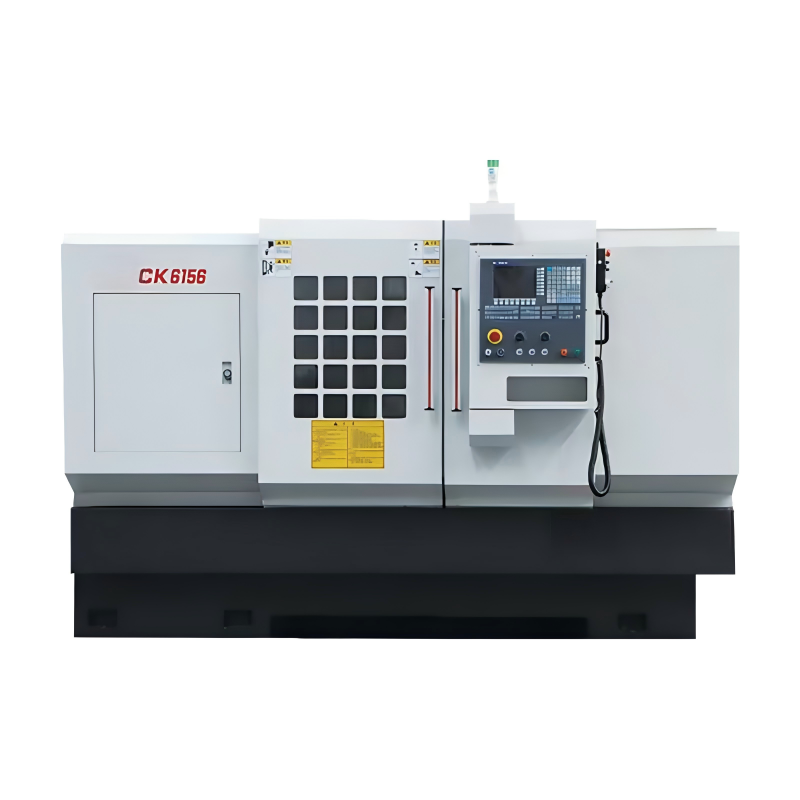
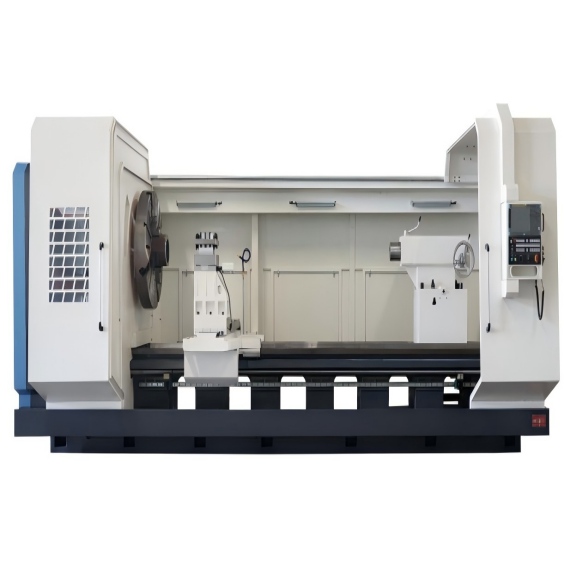
In the ever-evolving world of manufacturing, precision and efficiency are paramount. The introduction of Computer Numerical Control (CNC) machines has revolutionized how components are machined, offering unparalleled accuracy and repeatability. Among these, the Horizontal 2-Axis CNC Lathe stands out as a versatile tool capable of significantly enhancing production processes. This technical report aims to explore the various ways in which a Horizontal 2-Axis CNC Lathe can maximize efficiency within a manufacturing setting, focusing on its operational benefits, application versatility, and integration into modern manufacturing systems.
Enhanced Precision Through Automation
The adoption of a Horizontal 2-Axis CNC Lathe brings with it an immediate improvement in the precision of machining operations. Unlike traditional manual lathes, where human error can introduce inconsistencies, a CNC lathe operates based on pre-programmed instructions, ensuring that every piece produced meets exact specifications. This level of automation not only guarantees uniformity across all parts but also allows for complex geometries to be achieved with ease. Furthermore, the use of advanced software enables operators to simulate the machining process before execution, thereby identifying and rectifying potential issues without wasting material or time. As a result, manufacturers benefit from reduced scrap rates and higher quality end products, contributing directly to cost savings and customer satisfaction.
Increased Productivity via Continuous Operation
One of the most significant advantages of using a Horizontal 2-Axis CNC Lathe is its ability to operate continuously, 24/7 if necessary, with minimal supervision. Thanks to features such as automatic tool changers and bar feeders, these machines can run unattended for extended periods, dramatically increasing productivity. For instance, while one batch of components is being machined, the next set of raw materials can already be loaded, ready to go. This seamless transition between tasks minimizes downtime and maximizes machine utilization. Additionally, the high-speed capabilities of modern CNC lathes mean that more pieces can be turned out in less time, further boosting overall throughput. By optimizing the workflow in this manner, businesses can meet tight deadlines and scale up their operations efficiently, making the Horizontal 2-Axis CNC Lathe an invaluable asset in any production environment.
Versatility in Application
The flexibility offered by a Horizontal 2-Axis CNC Lathe extends beyond just speed and precision; it lies in the wide range of applications it supports. From simple cylindrical turning to intricate threading and facing, this type of lathe can handle a diverse array of jobs. Its dual-axis configuration allows for both X (cross-slide) and Z (main spindle) axis movements, enabling precise control over cutting paths and depths. Moreover, the availability of various attachments, such as live centers, collets, and chucks, means that the machine can accommodate different types of workpieces and materials, including metals, plastics, and composites. This adaptability makes the Horizontal 2-Axis CNC Lathe suitable for numerous industries, from automotive and aerospace to medical devices and electronics. Whether producing standard parts or custom-designed components, the versatility of this equipment ensures that it remains a reliable solution for diverse manufacturing needs.
Integration with Modern Manufacturing Systems
As manufacturing continues to evolve, so too does the need for integrated systems that enhance communication and coordination throughout the production line. A Horizontal 2-Axis CNC Lathe plays a crucial role in facilitating this integration. With support for Industry 4.0 technologies, including Internet of Things (IoT) connectivity, these machines can communicate with other equipment, sensors, and management software in real-time. Data collected during operation, such as tool wear, cycle times, and maintenance alerts, can be analyzed to optimize performance and predict maintenance needs, reducing unexpected breakdowns and improving uptime. Furthermore, the ability to interface with Computer-Aided Design (CAD) and Computer-Aided Manufacturing (CAM) systems streamlines the design-to-manufacture process, allowing for rapid prototyping and quick adjustments to designs. Such seamless integration contributes to creating a smarter, more responsive manufacturing ecosystem, where the Horizontal 2-Axis CNC Lathe serves as a key component in driving innovation and competitiveness.
In conclusion, the implementation of a Horizontal 2-Axis CNC Lathe offers substantial benefits in terms of precision, productivity, versatility, and system integration. By leveraging the full potential of this technology, manufacturers can achieve higher levels of efficiency, reduce costs, and stay ahead in a competitive market. Investing in such advanced machinery represents a strategic move towards sustainable growth and excellence in manufacturing practices.
 26/06/2026



