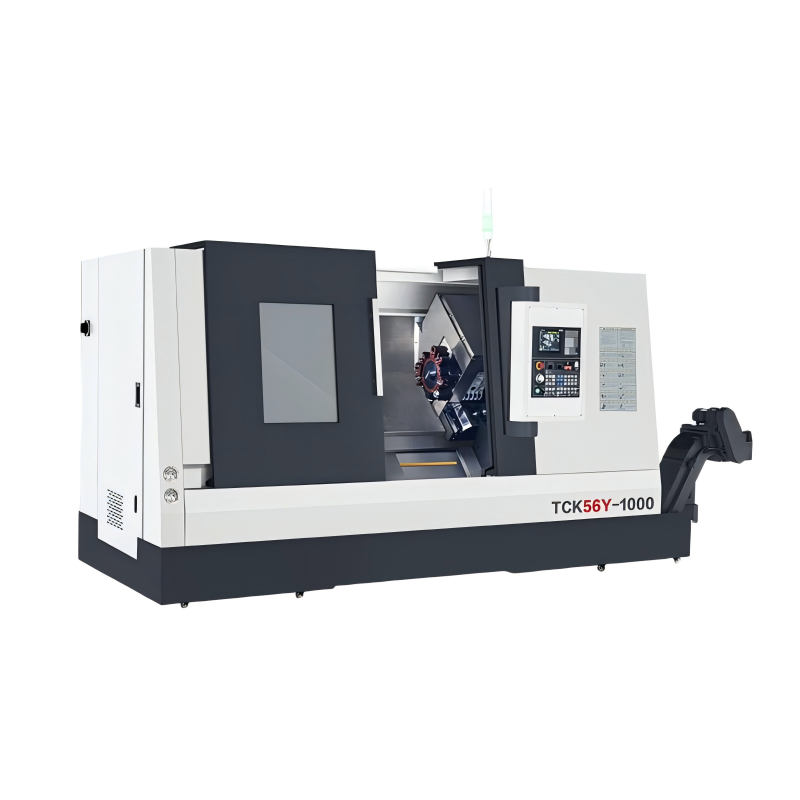
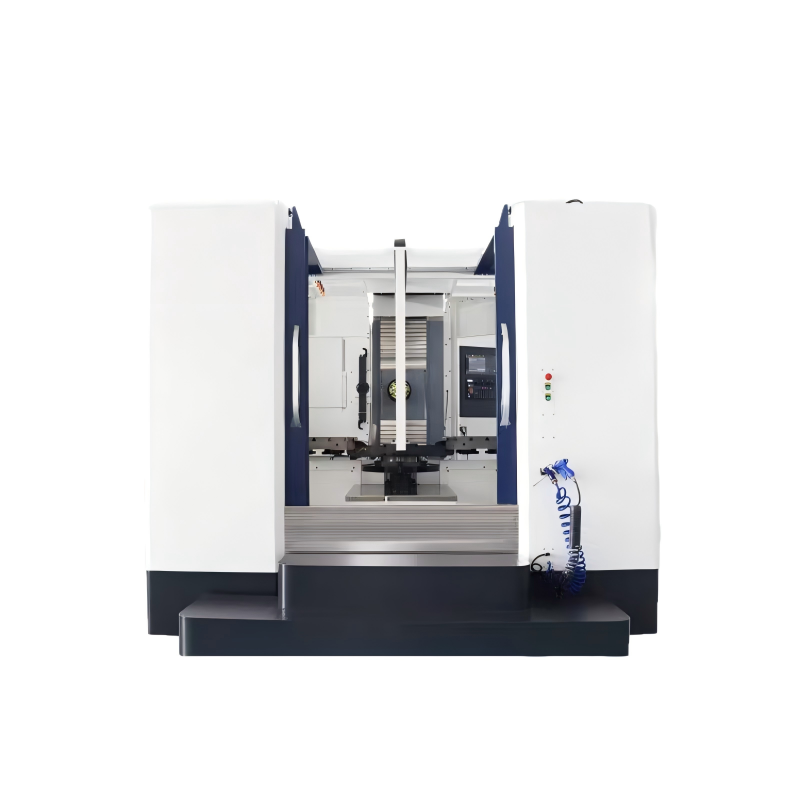
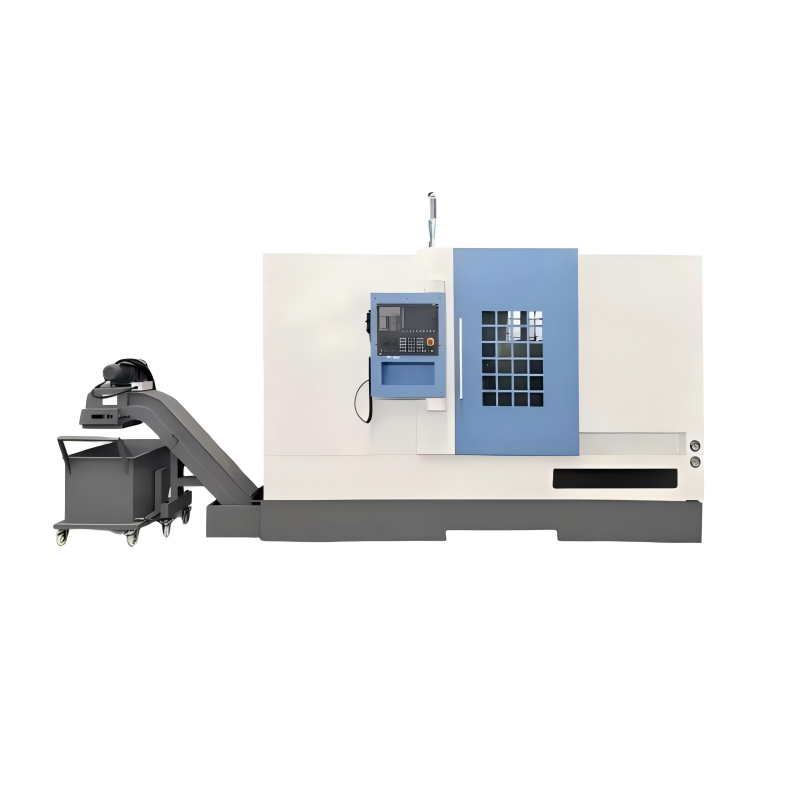
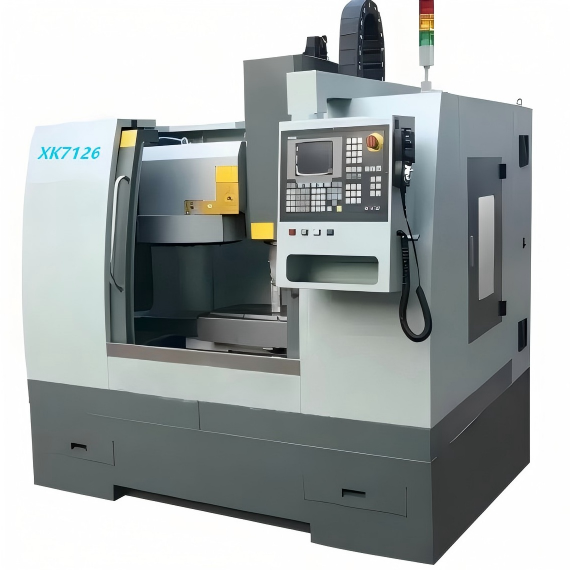
A 3 Axis Vertical Machining Center is a critical piece of equipment in many manufacturing processes, known for its precision and versatility. However, to ensure optimal performance and longevity, regular maintenance is essential. Neglecting maintenance can lead to reduced efficiency, increased downtime, and higher repair costs. By implementing a comprehensive maintenance plan, you can significantly extend the lifespan of your 3 Axis Vertical Machining Center and maintain consistent production quality. This section will explore the key reasons why regular maintenance is crucial and how it impacts the overall operational efficiency of your machining center.
Effective maintenance of a 3 Axis Vertical Machining Center involves regular inspection and upkeep of several critical components. These include the spindle, linear guides, ball screws, and lubrication systems. The spindle, being the heart of the machine, requires particular attention. Regular checks for wear and tear, proper alignment, and timely replacement of worn parts are essential. Linear guides and ball screws, which ensure smooth and accurate movement, should be cleaned and lubricated regularly to prevent premature wear. Additionally, the lubrication system must be kept in top condition to ensure that all moving parts are properly oiled, reducing friction and extending the life of the machine. By focusing on these key components, you can prevent major breakdowns and ensure that your 3 Axis Vertical Machining Center operates at peak performance.
A well-structured preventive maintenance schedule is the cornerstone of effective maintenance for a 3 Axis Vertical Machining Center. This schedule should be based on the manufacturer's recommendations and the specific usage patterns of your machine. A typical maintenance schedule includes daily, weekly, monthly, and annual tasks. Daily tasks may include checking for leaks, cleaning the machine, and inspecting the tool holder. Weekly tasks might involve more thorough inspections, such as checking the coolant levels and the condition of the cutting tools. Monthly tasks could include lubricating the moving parts and inspecting the electrical connections. Annual tasks, such as replacing filters and performing a full system check, are also crucial. By adhering to this schedule, you can identify and address potential issues before they become major problems, ensuring the continuous and reliable operation of your 3 Axis Vertical Machining Center.
To ensure that your 3 Axis Vertical Machining Center is maintained correctly, it is essential to provide adequate training and documentation for your maintenance staff. Training should cover the operation, troubleshooting, and maintenance procedures specific to your machine model. This can include hands-on training, workshops, and access to detailed manuals and technical support. Proper documentation, such as maintenance logs, checklists, and service records, is also crucial. These documents help track the history of maintenance activities, identify trends, and ensure that all necessary tasks are completed on time. By investing in training and maintaining comprehensive documentation, you can empower your maintenance team to keep your 3 Axis Vertical Machining Center in top condition, leading to improved productivity and reduced downtime.
Incorporating advanced diagnostic tools into your maintenance routine can greatly enhance the effectiveness of your 3 Axis Vertical Machining Center's maintenance. Modern diagnostic tools, such as vibration analysis, thermal imaging, and predictive maintenance software, can detect potential issues early, allowing for proactive maintenance. Vibration analysis, for example, can identify imbalances or misalignments in the spindle and other moving parts, while thermal imaging can pinpoint areas of excessive heat, indicating potential mechanical or electrical faults. Predictive maintenance software uses data from sensors and other monitoring devices to predict when maintenance is required, helping to avoid unexpected failures. By leveraging these advanced tools, you can optimize your maintenance strategy, reduce unplanned downtime, and ensure that your 3 Axis Vertical Machining Center operates at its best.
Proper maintenance of a 3 Axis Vertical Machining Center is not just a matter of keeping the machine running; it is an investment in the long-term success of your manufacturing operations. By understanding the importance of regular maintenance, focusing on key components, developing a preventive maintenance schedule, providing training and documentation, and utilizing advanced diagnostic tools, you can significantly improve the reliability, efficiency, and lifespan of your 3 Axis Vertical Machining Center. These efforts will ultimately lead to higher productivity, lower operating costs, and a competitive edge in the market. Therefore, it is essential to prioritize and implement a robust maintenance program to maximize the benefits of your 3 Axis Vertical Machining Center.
 29/06/2026
In the realm of precision manufacturing, the choice between a 3 Axis Vertical Machining Center and a high-performance floor type horizontal machining center often comes down to specific application requirements. This technical report explores how maximizi
Read More28/06/2026The 3 Axis Vertical Machining Center is a cornerstone of modern manufacturing, enabling the production of complex and precise parts with high efficiency. This technical report delves into advanced techniques for utilizing such a machine, focusing on optim
Read More27/06/2026In the realm of modern manufacturing, the adoption and integration of advanced technologies play a pivotal role in enhancing efficiency, precision, and productivity. Among these technologies, the 3 Axis Vertical Machining Center stands out as a versatile
Read More27/06/2026The advent of advanced manufacturing technologies has led to an increased demand for skilled operators capable of handling complex machinery, such as the 3 Axis Vertical Machining Center. These machines play a pivotal role in precision engineering and pro
Read More27/06/2026When it comes to the manufacturing industry, precision and efficiency are key factors in determining the success of a project. One of the most versatile tools available for achieving these goals is the 3 Axis Vertical Machining Center. This type of machin
Read More27/06/2026IntroductionThe 3 Axis Vertical Machining Center (VMC) is a cornerstone in the modern manufacturing industry, offering versatile and efficient solutions for a wide range of machining tasks. This report aims to explore cost-effective strategies and applica
Read More26/06/2026Introduction to 3 Axis Vertical Machining CentersThe 3 Axis Vertical Machining Center (VMC) stands as a cornerstone in the world of precision manufacturing, offering unparalleled accuracy and efficiency. This type of machining center is designed with thre
Read More26/06/2026The Evolution of 3 Axis Vertical Machining CentersOver the past few decades, the manufacturing industry has witnessed a significant transformation, driven by advancements in technology and automation. One such innovation that has played a pivotal role is
Read More26/06/2026Understanding the Importance of Regular MaintenanceA 3 axis vertical machining center is a crucial piece of equipment in many manufacturing and production environments. Its ability to perform complex operations with high precision makes it indispensable.
Read More25/06/2026IntroductionThe 3 Axis Vertical Machining Center (VMC) has become a cornerstone in modern manufacturing, offering unparalleled precision and efficiency for a wide range of applications. This report aims to explore the key strategies that can be employed t
Read More25/06/2026The evolution of manufacturing technology has been marked by significant advancements, with the 3 Axis Vertical Machining Center (VMC) standing out as a pivotal innovation. This report delves into the latest developments in VMC technology, exploring how t
Read More25/06/2026When it comes to investing in a 3 Axis Vertical Machining Center, making the right decision can significantly impact your manufacturing process's efficiency and output quality. This type of machine is a versatile tool capable of performing a wide range of
Read More25/06/2026The advent of 3 Axis Vertical Machining Centers (VMCs) has significantly transformed the landscape of industrial manufacturing, enhancing productivity, precision, and operational efficiency. This report delves into the impact of 3 Axis VMCs on industrial
Read More24/06/2026Introduction to 3 Axis Vertical Machining Centers A 3 Axis Vertical Machining Center is a versatile and powerful tool in the manufacturing industry, capable of performing a wide range of machining operations. This type of machine is designed to move along
Read More24/06/2026Introduction to 3 Axis Vertical Machining CentersA 3 axis vertical machining center is a fundamental piece of equipment in modern manufacturing, designed for the precision cutting and shaping of materials. This type of machine tool operates on three prima
Read More24/06/2026A Comprehensive Guide to Selecting the Right 3 Axis Vertical Machining CenterChoosing the right 3 axis vertical machining center is a critical decision for any manufacturing operation. These machines are essential for precision and efficiency in a wide ra
Read More24/06/2026Understanding the Core Components of a 3 Axis Vertical Machining CenterA 3 Axis Vertical Machining Center is an essential piece of equipment in many manufacturing and engineering environments, designed to perform a wide range of machining operations with
Read More23/06/2026The 3 Axis Vertical Machining Center (VMC) is a versatile and efficient tool in the world of manufacturing, capable of producing complex parts with high precision. This type of machining center plays a crucial role in various industries, from automotive t
Read More23/06/2026The 3 Axis Vertical Machining Center is a cornerstone in modern manufacturing, providing unparalleled precision and efficiency. This technical report delves into the advanced features and capabilities that make this machine a preferred choice for many ind
Read More23/06/2026In the realm of precision engineering, the role of 3 Axis Vertical Machining Centers (VMCs) is pivotal. These advanced machines have become indispensable in a variety of manufacturing processes, from aerospace to automotive, and from medical devices to co
Read More23/06/2026In the realm of modern manufacturing, the 3 Axis Vertical Machining Center (VMC) stands out as a pivotal tool for precision and efficiency. This report delves into the advantages that 3 Axis VMCs offer, highlighting their significance in contemporary indu
Read MoreOur professional sales team is always ready to assist you.