In the realm of precision manufacturing, the choice between a 3 Axis Vertical Machining Center and a high-performance floor type Horizontal Machining Center often comes down to specific application requirements. This technical report explores how maximizing output can be achieved through strategic utilization of a high-performance Floor type horizontal machining center, while also touching upon the unique advantages that a 3 Axis Vertical Machining Center brings to the table.
Understanding the Capabilities of High-Performance Floor Type Horizontal Machining Centers
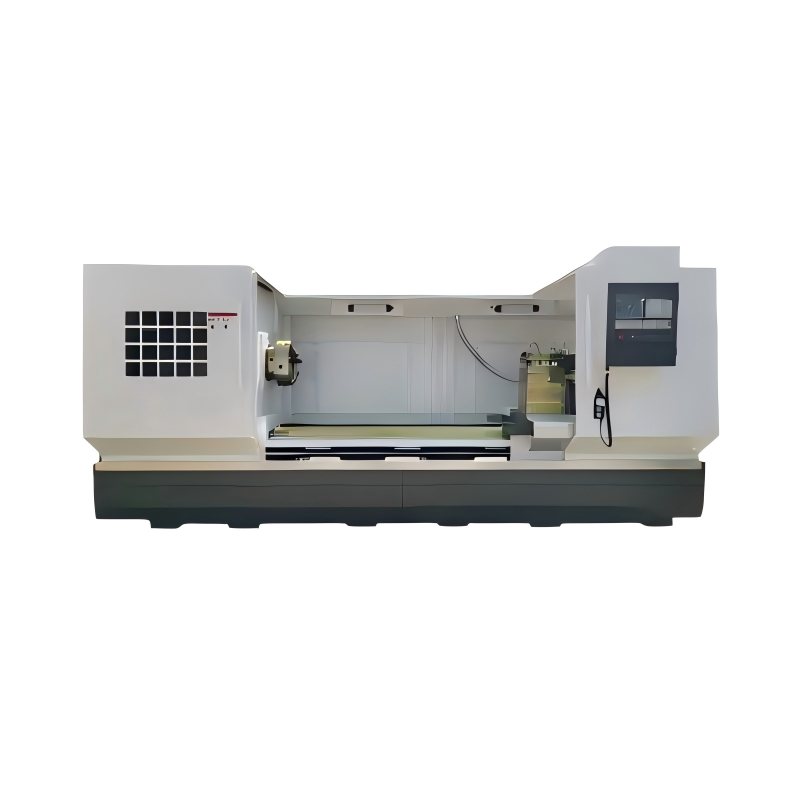
High-performance floor type horizontal machining centers are designed for heavy-duty cutting operations, offering exceptional rigidity and stability. These machines are ideal for large and complex components, providing increased accuracy and repeatability. The horizontal orientation allows for better chip evacuation, which is crucial in maintaining tool life and surface finish quality. Additionally, these machines often come equipped with advanced automation features, such as pallet changers and automatic tool changers, which significantly reduce setup times and increase productivity.
The Role of Automation in Enhancing Productivity
Automation plays a pivotal role in maximizing the output of a high-performance floor type horizontal machining center. Features like pallet pools, robotic loading, and automated part measurement systems enable continuous operation with minimal human intervention. This not only reduces labor costs but also minimizes the risk of human error. For instance, a pallet changer can switch out workpieces automatically, allowing the machine to run unattended during off-hours, thereby increasing overall production capacity. Moreover, the integration of CNC (Computer Numerical Control) systems with real-time monitoring and predictive maintenance capabilities ensures that the machine operates at optimal efficiency, reducing downtime and improving throughput.
Optimizing Tool Path and Cutting Strategies
To fully leverage the capabilities of a high-performance floor type horizontal machining center, it is essential to optimize the tool path and cutting strategies. Advanced CAM (Computer-Aided Manufacturing) software can generate highly efficient tool paths that minimize rapid movements, reduce air cutting, and ensure consistent material removal rates. By carefully selecting cutting tools and parameters, operators can achieve higher feed rates and deeper cuts, leading to faster cycle times and improved productivity. Additionally, the use of high-speed machining techniques, such as trochoidal milling, can further enhance the performance of the machine, especially when working with hard materials or complex geometries.
The Complementary Role of 3 Axis Vertical Machining Centers
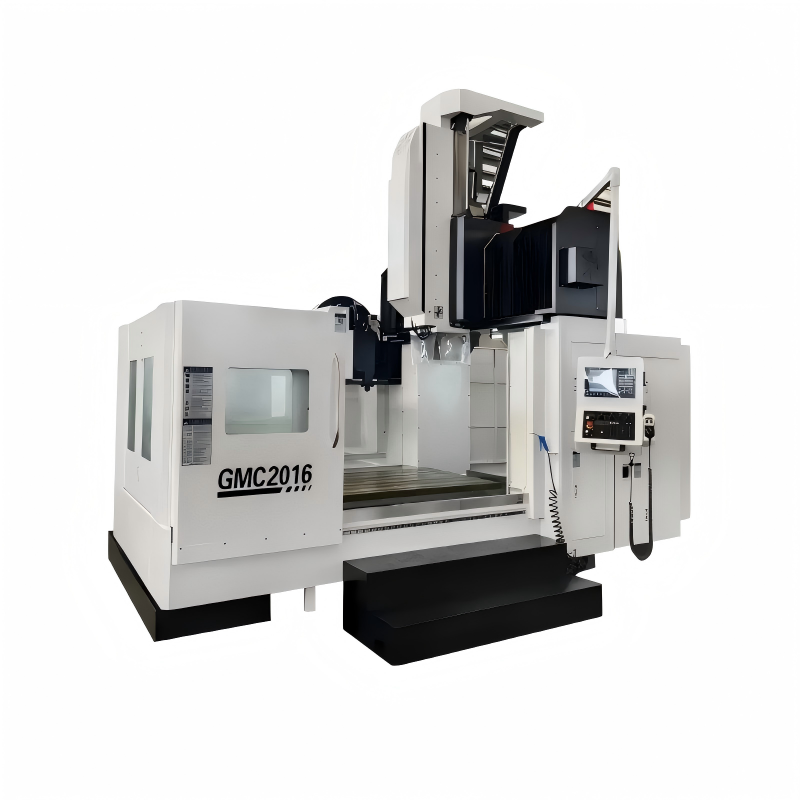
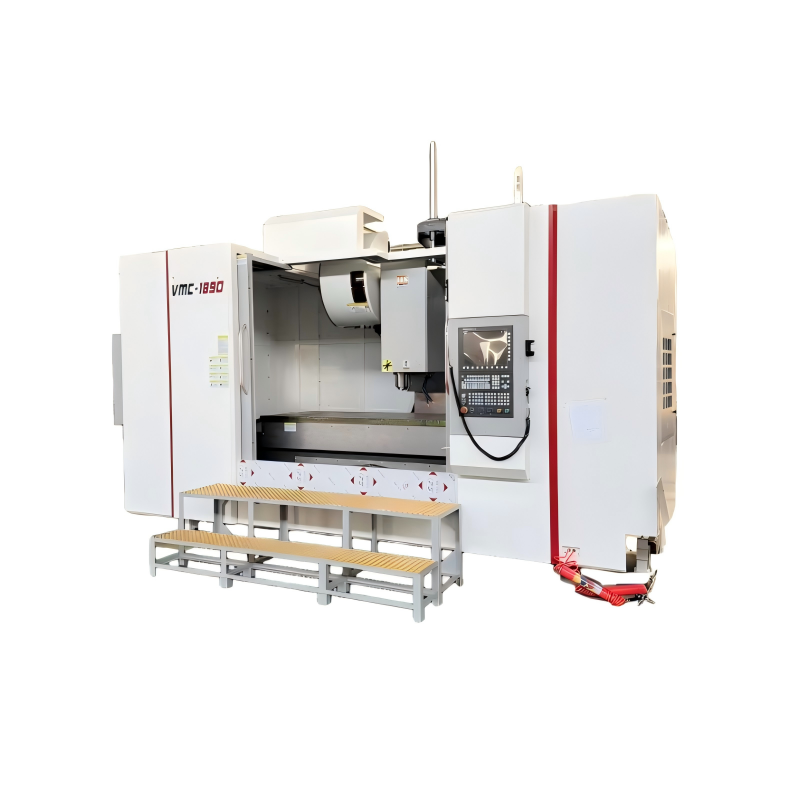
While high-performance floor type horizontal machining centers excel in certain applications, a 3 Axis Vertical Machining Center offers its own set of advantages. These machines are more versatile and cost-effective for smaller, less complex parts. They are particularly well-suited for jobs that require multiple setups or where the workpiece needs to be repositioned frequently. The vertical orientation of the spindle allows for easier access to the workpiece, making it ideal for tasks such as drilling, tapping, and profiling. Furthermore, 3 Axis Vertical Machining Centers are generally more compact, requiring less floor space, and are easier to integrate into existing production lines. This makes them a valuable addition to any manufacturing facility, complementing the capabilities of the high-performance floor type horizontal machining center.
Conclusion: Balancing Flexibility and Performance
In conclusion, maximizing output in a manufacturing environment requires a balanced approach that leverages the strengths of both high-performance floor type horizontal machining centers and 3 Axis Vertical Machining Centers. While the former excels in heavy-duty, high-precision operations, the latter provides flexibility and cost-effectiveness for a wide range of applications. By strategically deploying these machines and optimizing their use through automation, advanced tool path planning, and cutting strategies, manufacturers can achieve significant improvements in productivity, quality, and overall operational efficiency.

 29/06/2026



