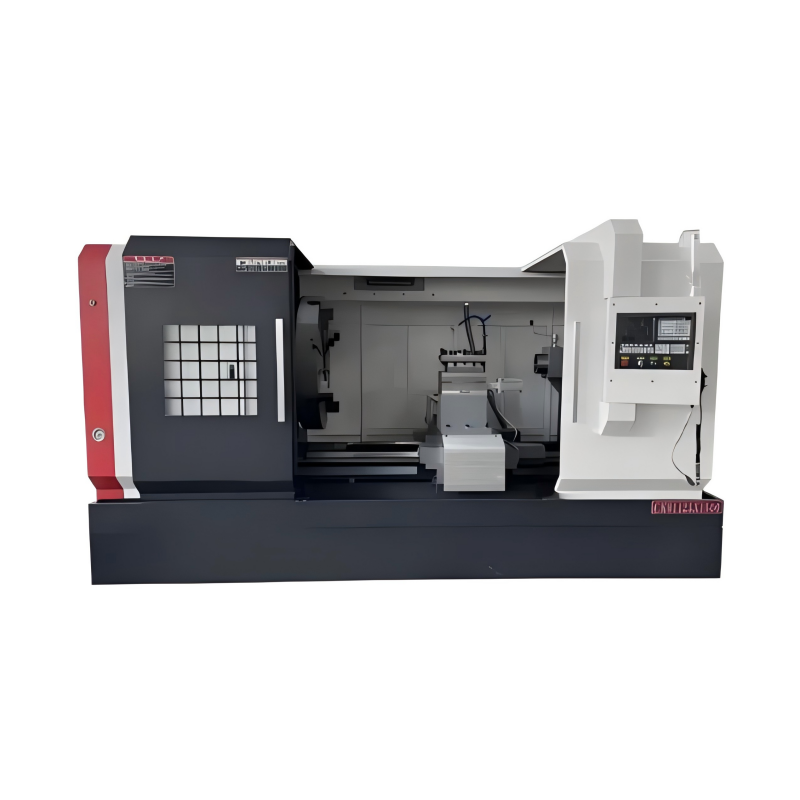
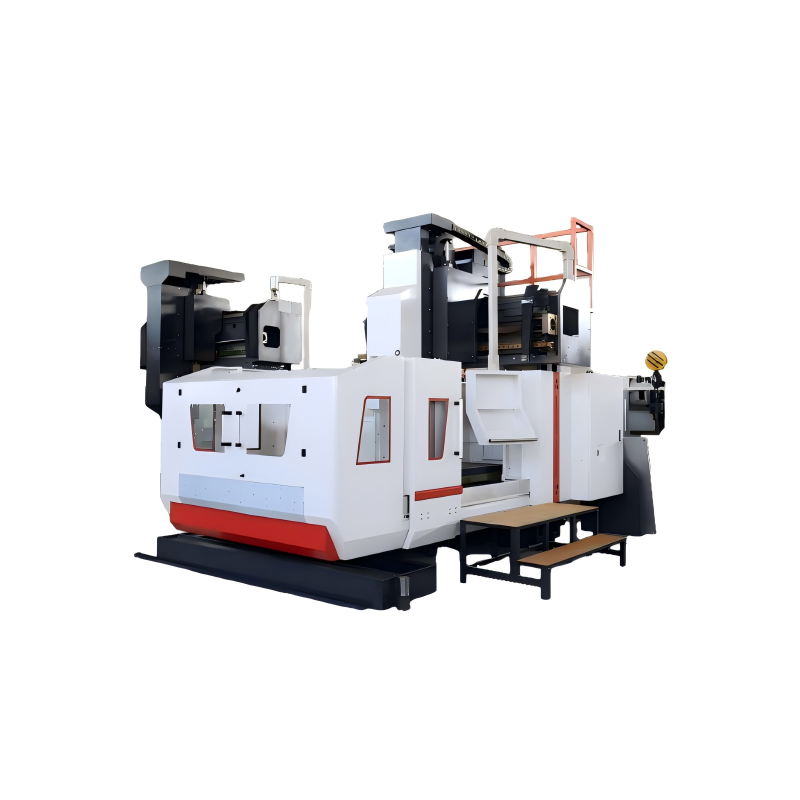
The evolution of the automotive industry has been marked by significant technological advancements, with each innovation playing a crucial role in enhancing the efficiency and quality of vehicle components. Among these innovations, the industrial lathe machine stands out as an indispensable tool for precision manufacturing. This technical report aims to explore the multifaceted role of industrial lathe machines in the production of automotive components, highlighting their importance, applications, and future prospects.
The industrial lathe machine is a versatile piece of equipment designed to shape and cut materials such as metal, plastic, and wood. In the context of automotive component production, its primary function is to create parts with high precision and consistency. The ability to produce components with tight tolerances is essential for ensuring the reliability and performance of vehicles. For example, engine cylinders, crankshafts, and camshafts require extremely precise machining to function correctly and efficiently. Industrial lathe machines are equipped with advanced control systems that allow for the precise adjustment of cutting parameters, such as speed, feed rate, and depth, ensuring that each part meets the exact specifications required.
Moreover, the use of Computer Numerical Control (CNC) technology in modern industrial lathe machines further enhances their precision. CNC Lathes can execute complex operations with minimal human intervention, reducing the likelihood of errors and increasing the overall quality of the produced components. This level of precision not only improves the performance of the final product but also contributes to the longevity and durability of the vehicle, which is a key factor in customer satisfaction and brand reputation.
Efficiency is a critical factor in the competitive automotive industry, where time and cost savings can make a significant difference. Industrial lathe machines play a pivotal role in increasing production efficiency by streamlining the manufacturing process. These machines are capable of performing multiple operations in a single setup, reducing the need for frequent retooling and minimizing downtime. For instance, a single lathe machine can be programmed to perform turning, facing, threading, and drilling operations on a workpiece, eliminating the need to transfer the part to different machines.
Additionally, the integration of automation and robotics with industrial lathe machines has further enhanced their efficiency. Automated loading and unloading systems, coupled with robotic arms, can handle the material handling process, allowing for continuous operation and increased throughput. This not only reduces labor costs but also ensures a consistent production rate, which is essential for meeting the high demand for automotive components. Furthermore, the data generated by these automated systems can be used for real-time monitoring and analysis, enabling manufacturers to identify and address any inefficiencies or bottlenecks in the production process.
The automotive industry is characterized by a diverse range of vehicle models, each with its own unique set of components. To meet this demand, manufacturers must be able to produce a wide variety of parts with varying specifications. Industrial lathe machines offer the flexibility needed to support this customization. Modern CNC lathes can be easily reprogrammed to accommodate different designs and dimensions, allowing for quick changeovers between different production runs. This adaptability is particularly valuable in the development of prototype parts and small-batch production, where the ability to rapidly produce and test new designs is crucial.
Furthermore, the use of modular tooling systems in industrial lathe machines allows for the quick and easy replacement of cutting tools, further enhancing their flexibility. This feature enables manufacturers to switch between different operations and materials without significant downtime, making it possible to produce a wide range of components efficiently. The ability to customize and adapt to changing production requirements is a key advantage of industrial lathe machines, ensuring that manufacturers can stay competitive in a rapidly evolving market.
Safety and compliance with industry standards are paramount in the automotive sector. Industrial lathe machines are designed with a range of safety features to protect operators and ensure that the production process adheres to regulatory requirements. For example, modern lathes are equipped with emergency stop buttons, safety guards, and interlock systems that prevent the machine from operating if the guard is not in place. Additionally, many industrial lathe machines come with built-in diagnostic systems that monitor the machine's condition and alert operators to any potential issues, reducing the risk of accidents and downtime.
Compliance with industry standards, such as ISO 9001 and IATF 16949, is also a critical aspect of automotive component production. These standards require manufacturers to maintain strict quality control and documentation processes. Industrial lathe machines, with their precise and repeatable operations, help ensure that components meet the required quality standards. The data generated by these machines can be used to create detailed records and reports, facilitating compliance with these standards and providing traceability throughout the production process.
As the automotive industry continues to evolve, so too will the role of industrial lathe machines. One of the emerging trends is the integration of Industry 4.0 technologies, such as the Internet of Things (IoT), artificial intelligence (AI), and machine learning. These technologies enable real-time monitoring and predictive maintenance, further improving the efficiency and reliability of industrial lathe machines. For example, IoT sensors can be used to collect data on the machine's performance, and AI algorithms can analyze this data to predict when maintenance is needed, reducing unplanned downtime and extending the lifespan of the equipment.
Another area of innovation is the development of more sustainable and environmentally friendly manufacturing processes. This includes the use of energy-efficient motors and the optimization of cutting parameters to reduce waste and energy consumption. Additionally, the adoption of additive manufacturing techniques, such as 3D printing, in conjunction with traditional machining methods, offers new possibilities for producing complex and lightweight components. These innovations not only contribute to the sustainability of the manufacturing process but also open up new avenues for design and engineering.
In conclusion, the industrial lathe machine plays a vital role in the production of automotive components, contributing to precision, efficiency, flexibility, safety, and compliance. As the industry continues to advance, the integration of new technologies and the pursuit of sustainability will further enhance the capabilities and importance of these machines. Manufacturers who invest in and leverage the full potential of industrial lathe machines will be well-positioned to meet the challenges and opportunities of the future.
 28/06/2026
An industrial lathe machine is a versatile tool that plays a crucial role in manufacturing and machining processes. Its ability to shape materials with precision makes it an indispensable asset in various industries. However, maximizing the efficiency of
Read More27/06/2026Introduction to Industrial Lathe Machines The industrial lathe machine stands as a cornerstone in the manufacturing industry, playing an essential role in shaping and machining parts with precision. These machines, through their ability to rotate workpiec
Read More27/06/2026An Industrial Lathe Machine is a crucial piece of equipment in the manufacturing and machining industry. It is used for shaping metal, wood, or other materials by rotating them against cutting tools. However, operating such a machine requires precision, s
Read More27/06/2026Industrial Lathe Machines have been a cornerstone of manufacturing processes for centuries, evolving from simple hand-operated devices to sophisticated, computer-controlled machines. As we look towards the future, it is clear that these machines will cont
Read More26/06/2026Understanding the Role of Industrial Lathe Machines in Modern ManufacturingThe industrial lathe machine plays a crucial role in today's manufacturing processes, serving as an essential tool for shaping and turning various materials with high precision. Th
Read More26/06/2026When it comes to precision machining, the industrial lathe machine is an indispensable tool in manufacturing. This versatile piece of equipment can be found in various industries, from automotive and aerospace to medical and electronics. However, with so
Read More26/06/2026Industrial lathe machines, also known as metal lathes, are essential tools in manufacturing processes across various industries. These machines play a crucial role in shaping and machining parts with high precision. Over the years, advancements in technol
Read More26/06/2026Industrial Lathe Machines play a crucial role in manufacturing, allowing for the precise shaping of metal and other materials. However, with their powerful capabilities comes the necessity for stringent safety protocols to ensure the well-being of operato
Read More25/06/2026The Emergence and Early Development of Industrial Lathe MachinesIn the annals of manufacturing history, the industrial lathe machine has been a cornerstone in the evolution of precision engineering. Its origins can be traced back to ancient civilizations
Read More25/06/2026Industrial lathe machines have been a cornerstone of manufacturing processes for centuries, evolving from simple hand-operated devices to sophisticated, automated systems. In today's fast-paced industrial landscape, the transition towards automation is no
Read More25/06/2026Understanding the Basics of an Industrial Lathe MachineAn industrial lathe machine is a fundamental tool in the manufacturing industry, used for shaping materials by rotating them against a cutting tool. This process, known as turning, can create complex
Read More25/06/2026The evolution of industrial lathe machines has been a significant driving force behind the advancement of manufacturing processes, enabling more precise, efficient, and versatile production capabilities. This report delves into the historical development
Read More24/06/2026Industrial lathe machines play a crucial role in manufacturing processes, providing the precision and efficiency needed for turning, facing, and threading operations. Proper maintenance of these machines is essential to ensure their longevity, performance
Read More24/06/2026The industrial lathe machine stands as a cornerstone in the world of manufacturing, playing an indispensable role in shaping materials with precision and efficiency. As technology advances, so too does the potential for optimizing these machines to delive
Read More24/06/2026IntroductionSelecting the right industrial lathe machine is a critical decision for any workshop, as it directly impacts productivity, precision, and overall efficiency. An industrial lathe machine is an essential tool in manufacturing, capable of perform
Read More23/06/2026The industrial lathe machine has long been a cornerstone of manufacturing, providing the precision and versatility needed to shape materials into intricate parts. As technology advances, these machines continue to evolve, incorporating new features that e
Read More23/06/2026Industrial Lathe Machines play a crucial role in the manufacturing industry, particularly when it comes to creating cylindrical parts with high precision. The importance of precision cannot be overstated, as even the slightest deviation can result in subs
Read More23/06/2026Industrial lathe machines are essential tools in the manufacturing and engineering sectors, playing a crucial role in shaping and machining various materials. These machines are designed to rotate a workpiece on its axis to perform operations such as cutt
Read More23/06/2026In the realm of modern manufacturing, the Industrial Lathe Machine stands as a cornerstone, enabling precise and efficient production processes. This versatile tool has evolved significantly over the years, adapting to the changing demands of the industry
Read MoreOur professional sales team is always ready to assist you.