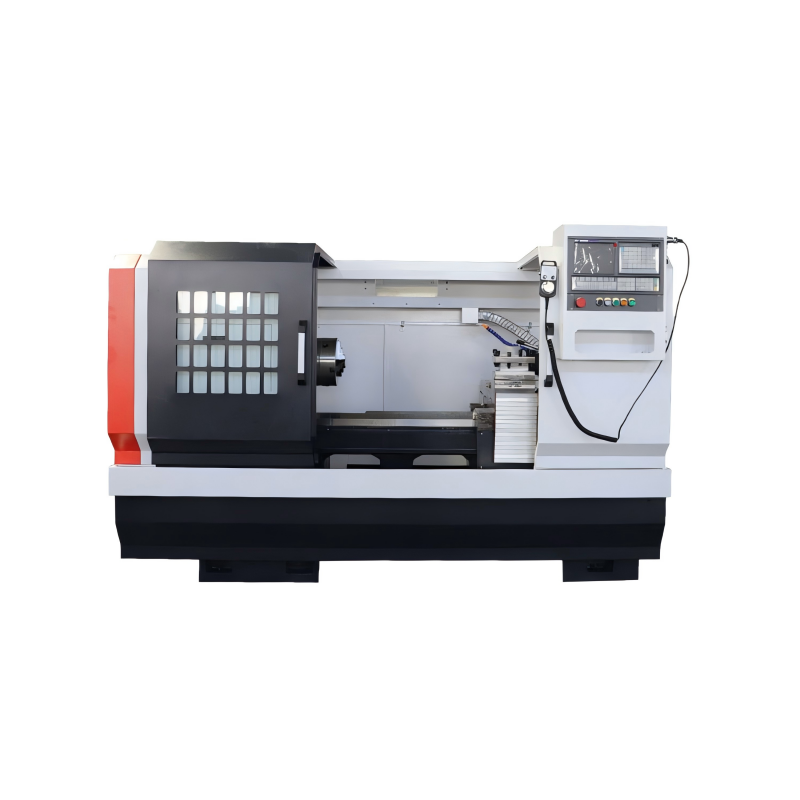
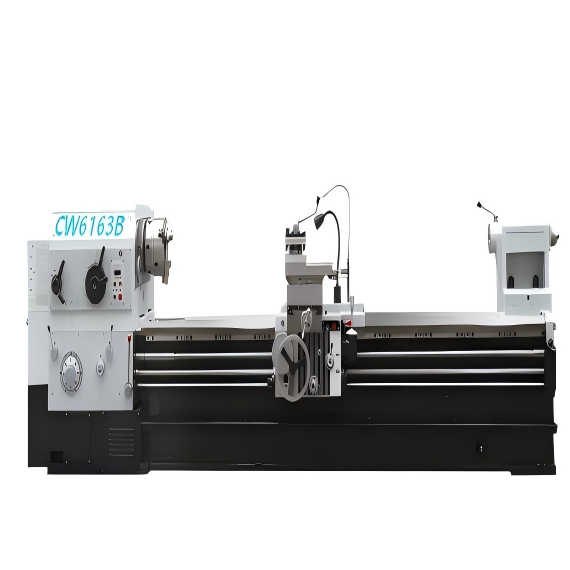
Industrial lathe machines are essential tools in the manufacturing industry, used for shaping metal, wood, or other materials. Given their high-speed operation and sharp cutting tools, it is crucial to understand and adhere to safety protocols when operating these machines. This document aims to provide a comprehensive overview of the necessary precautions, ensuring that operators can work safely and efficiently.
One of the most fundamental aspects of operating an industrial lathe machine is the use of appropriate personal protective equipment (PPE). PPE is designed to protect the operator from potential hazards such as flying debris, noise, and accidental contact with moving parts. The following items are essential:
Ensuring that all PPE is properly fitted and maintained is critical. Operators should also be trained on the correct usage and limitations of each piece of equipment.
Modern industrial lathe machines are equipped with various safety features designed to minimize the risk of accidents. Understanding and utilizing these features is essential for safe operation. Key safety features include:
Operators should familiarize themselves with the location and function of all safety features. Regular maintenance and inspections should be conducted to ensure that these features are in good working order.
Following proper setup and operation procedures is another critical aspect of safe industrial lathe machine use. Here are some key steps to consider:
Training and regular refresher courses are essential to ensure that operators are up-to-date with the latest safety practices and procedures. Additionally, maintaining a clean and organized work environment can significantly reduce the risk of accidents.
Regular maintenance and inspection are vital to the safe and efficient operation of an industrial lathe machine. A well-maintained machine is less likely to fail, reducing the risk of accidents and downtime. Key maintenance tasks include:
A proactive approach to maintenance and inspection can help identify and address potential issues before they become serious problems. This not only enhances safety but also improves the overall efficiency and reliability of the machine.
Proper training and certification are essential for anyone operating an industrial lathe machine. Training programs should cover the following areas:
Operators should be certified by a recognized training program and should undergo regular refresher courses to stay current with best practices and any changes in safety regulations. Employers should also provide ongoing support and resources to ensure that operators have the necessary skills and knowledge to operate the machine safely.
In conclusion, operating an industrial lathe machine requires a strong commitment to safety. By adhering to the guidelines outlined in this document, including the use of PPE, understanding and utilizing safety features, following proper setup and operation procedures, conducting regular maintenance and inspections, and ensuring proper training and certification, operators can significantly reduce the risk of accidents and create a safer work environment.
 30/06/2026
In the realm of manufacturing, precision and efficiency are paramount. Industrial Lathe Machines play a critical role in achieving these goals, providing manufacturers with the ability to shape, cut, and finish materials with high accuracy. However, as in
Read More29/06/2026The evolution of the automotive industry has been marked by significant technological advancements, with each innovation playing a crucial role in enhancing the efficiency and quality of vehicle components. Among these innovations, the industrial lathe ma
Read More28/06/2026An industrial lathe machine is a versatile tool that plays a crucial role in manufacturing and machining processes. Its ability to shape materials with precision makes it an indispensable asset in various industries. However, maximizing the efficiency of
Read More27/06/2026Introduction to Industrial Lathe Machines The industrial lathe machine stands as a cornerstone in the manufacturing industry, playing an essential role in shaping and machining parts with precision. These machines, through their ability to rotate workpiec
Read More27/06/2026An Industrial Lathe Machine is a crucial piece of equipment in the manufacturing and machining industry. It is used for shaping metal, wood, or other materials by rotating them against cutting tools. However, operating such a machine requires precision, s
Read More27/06/2026Industrial Lathe Machines have been a cornerstone of manufacturing processes for centuries, evolving from simple hand-operated devices to sophisticated, computer-controlled machines. As we look towards the future, it is clear that these machines will cont
Read More26/06/2026Understanding the Role of Industrial Lathe Machines in Modern ManufacturingThe industrial lathe machine plays a crucial role in today's manufacturing processes, serving as an essential tool for shaping and turning various materials with high precision. Th
Read More26/06/2026When it comes to precision machining, the industrial lathe machine is an indispensable tool in manufacturing. This versatile piece of equipment can be found in various industries, from automotive and aerospace to medical and electronics. However, with so
Read More26/06/2026Industrial lathe machines, also known as metal lathes, are essential tools in manufacturing processes across various industries. These machines play a crucial role in shaping and machining parts with high precision. Over the years, advancements in technol
Read More26/06/2026Industrial Lathe Machines play a crucial role in manufacturing, allowing for the precise shaping of metal and other materials. However, with their powerful capabilities comes the necessity for stringent safety protocols to ensure the well-being of operato
Read More25/06/2026The Emergence and Early Development of Industrial Lathe MachinesIn the annals of manufacturing history, the industrial lathe machine has been a cornerstone in the evolution of precision engineering. Its origins can be traced back to ancient civilizations
Read More25/06/2026Industrial lathe machines have been a cornerstone of manufacturing processes for centuries, evolving from simple hand-operated devices to sophisticated, automated systems. In today's fast-paced industrial landscape, the transition towards automation is no
Read More25/06/2026Understanding the Basics of an Industrial Lathe MachineAn industrial lathe machine is a fundamental tool in the manufacturing industry, used for shaping materials by rotating them against a cutting tool. This process, known as turning, can create complex
Read More25/06/2026The evolution of industrial lathe machines has been a significant driving force behind the advancement of manufacturing processes, enabling more precise, efficient, and versatile production capabilities. This report delves into the historical development
Read More24/06/2026Industrial lathe machines play a crucial role in manufacturing processes, providing the precision and efficiency needed for turning, facing, and threading operations. Proper maintenance of these machines is essential to ensure their longevity, performance
Read More24/06/2026The industrial lathe machine stands as a cornerstone in the world of manufacturing, playing an indispensable role in shaping materials with precision and efficiency. As technology advances, so too does the potential for optimizing these machines to delive
Read More24/06/2026IntroductionSelecting the right industrial lathe machine is a critical decision for any workshop, as it directly impacts productivity, precision, and overall efficiency. An industrial lathe machine is an essential tool in manufacturing, capable of perform
Read More23/06/2026The industrial lathe machine has long been a cornerstone of manufacturing, providing the precision and versatility needed to shape materials into intricate parts. As technology advances, these machines continue to evolve, incorporating new features that e
Read More23/06/2026Industrial Lathe Machines play a crucial role in the manufacturing industry, particularly when it comes to creating cylindrical parts with high precision. The importance of precision cannot be overstated, as even the slightest deviation can result in subs
Read More23/06/2026Industrial lathe machines are essential tools in the manufacturing and engineering sectors, playing a crucial role in shaping and machining various materials. These machines are designed to rotate a workpiece on its axis to perform operations such as cutt
Read More23/06/2026In the realm of modern manufacturing, the Industrial Lathe Machine stands as a cornerstone, enabling precise and efficient production processes. This versatile tool has evolved significantly over the years, adapting to the changing demands of the industry
Read MoreOur professional sales team is always ready to assist you.