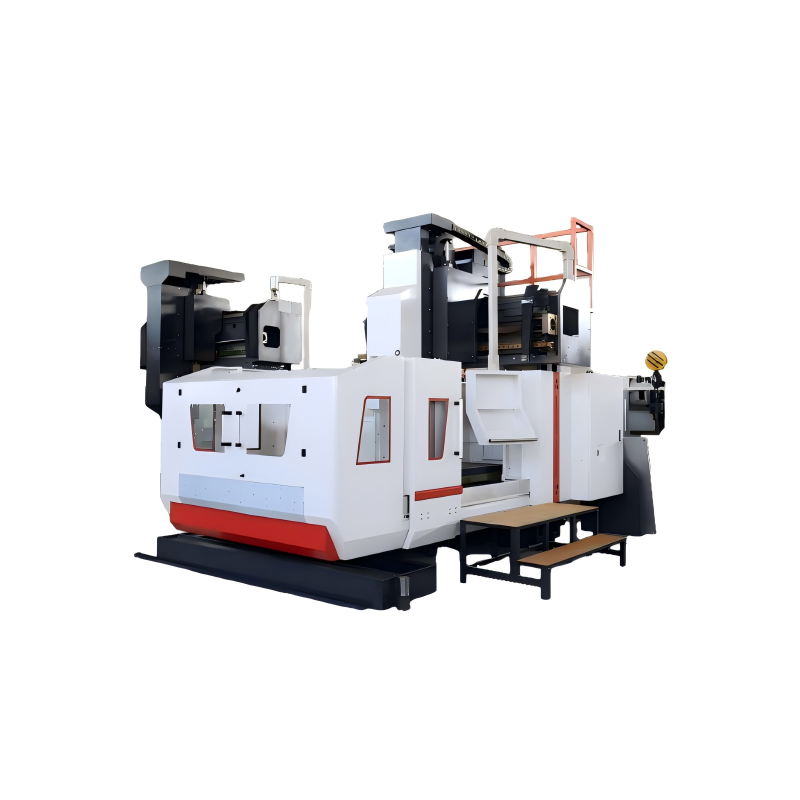
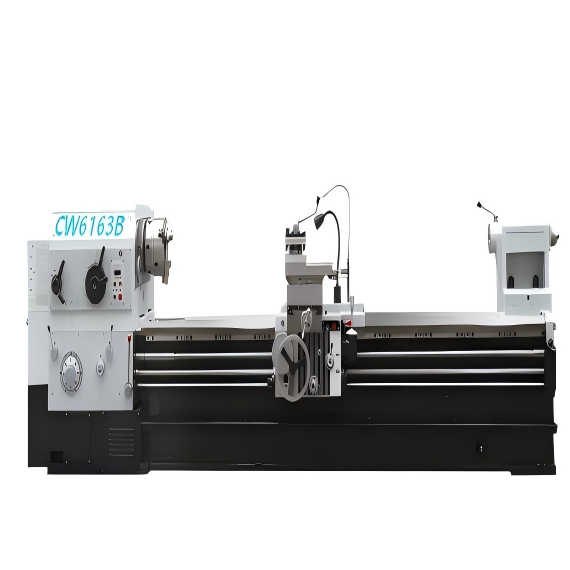
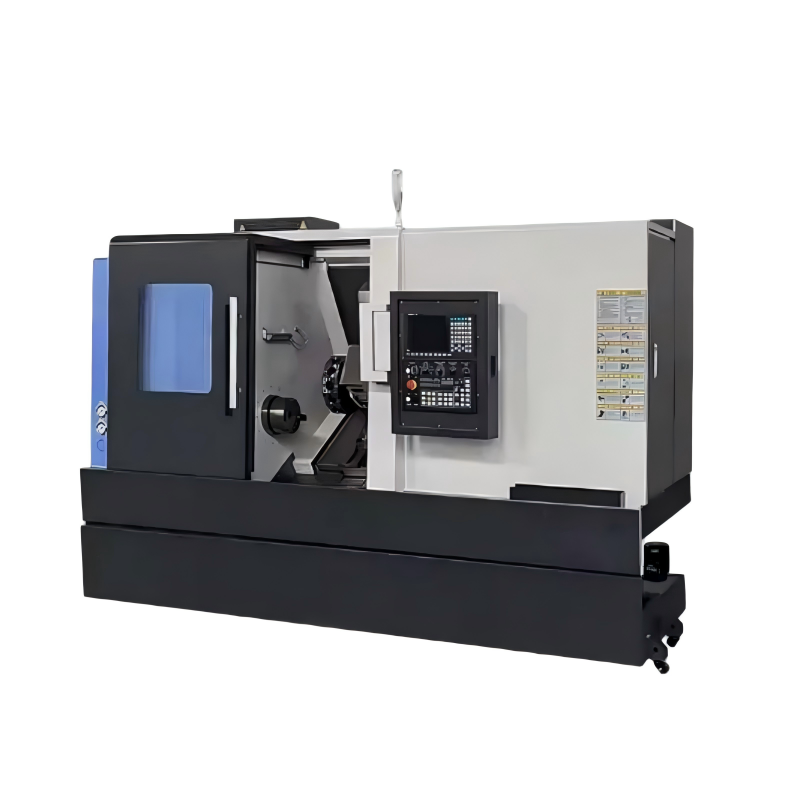
In the realm of manufacturing, the adoption of advanced machining technologies plays a pivotal role in enhancing productivity and maintaining a competitive edge. The 4 Axis Vertical Machining Center (VMC) is one such innovation that has revolutionized the way parts are machined, offering unparalleled precision and efficiency. This report delves into the capabilities and benefits of 4 Axis VMCs, exploring how they can significantly boost productivity in modern manufacturing environments.
The introduction of a fourth axis to traditional three-axis VMCs adds a new dimension to machining capabilities. While a standard three-axis machine operates along the X, Y, and Z axes, a 4 Axis VMC incorporates an additional rotary axis, typically designated as the A-axis. This additional axis allows for the rotation of the workpiece around its longitudinal axis, enabling the machining of complex geometries and contours that would be difficult or impossible to achieve with a three-axis machine. The ability to perform multi-sided operations in a single setup not only reduces the need for repositioning the part but also minimizes the risk of misalignment, leading to higher accuracy and reduced cycle times.
For example, in the aerospace industry, where components often require intricate features and tight tolerances, a 4 Axis VMC can machine parts with high precision, ensuring that critical components meet the stringent quality standards. The flexibility of the 4 Axis VMC also makes it suitable for a wide range of applications, from prototyping to high-volume production, making it a versatile tool in any manufacturing facility.
One of the most significant advantages of using a 4 Axis VMC is the reduction in setup times. In traditional machining, multiple setups are often required to machine different sides of a part, which can be time-consuming and labor-intensive. With a 4 Axis VMC, the workpiece can be rotated and machined from multiple angles without the need for manual intervention, streamlining the entire process. This not only saves time but also reduces the potential for human error, leading to more consistent and reliable results.
Moreover, the ability to perform multiple operations in a single setup allows for a more efficient use of the machine’s cutting time. By minimizing downtime between operations, manufacturers can achieve higher throughput and reduce overall production costs. For instance, in the automotive industry, where high-volume production is the norm, a 4 Axis VMC can significantly increase the number of parts produced per hour, contributing to greater overall efficiency and profitability.
Another key benefit of 4 Axis VMCs is their ability to produce superior surface finishes and part quality. The additional axis allows for more precise control over the cutting tool’s path, enabling the machine to follow complex contours and maintain consistent contact with the workpiece. This results in smoother surfaces and better overall part quality, which is particularly important in industries where aesthetics and performance are critical, such as medical device manufacturing and consumer electronics.
Furthermore, the 4 Axis VMC’s ability to perform continuous cutting paths without the need for frequent tool changes or repositioning helps to eliminate marks and imperfections that can occur during transitions. This leads to a more uniform and visually appealing final product, which can be a significant advantage in markets where appearance is a key selling point.
Modern 4 Axis VMCs are designed to integrate seamlessly with advanced software and automation systems, further enhancing their capabilities and efficiency. Computer-aided design (CAD) and computer-aided manufacturing (CAM) software can be used to create detailed 3D models and generate optimized toolpaths, ensuring that the machine operates at peak performance. Additionally, the integration of automation technologies, such as robotic arms and automated pallet changers, can further reduce manual labor and increase the machine’s uptime.
For example, in a fully automated manufacturing cell, a 4 Axis VMC can be programmed to run unattended, with the robot handling the loading and unloading of parts. This not only maximizes the machine’s utilization but also allows for 24/7 operation, significantly increasing productivity. The use of advanced software and automation also enables real-time monitoring and data collection, providing valuable insights into the machining process and helping to identify areas for improvement.
While the initial investment in a 4 Axis VMC may be higher than that of a traditional three-axis machine, the long-term benefits often justify the cost. The increased efficiency, reduced setup times, and improved part quality lead to lower production costs and higher output, resulting in a faster return on investment (ROI). Additionally, the versatility of the 4 Axis VMC means that it can handle a wider range of jobs, reducing the need for multiple machines and further optimizing the use of resources.
For small and medium-sized enterprises (SMEs), the 4 Axis VMC can be a game-changer, allowing them to compete with larger manufacturers by offering high-quality, complex parts at a competitive price. The ability to take on more diverse and challenging projects can also open up new business opportunities, driving growth and sustainability. In summary, the 4 Axis VMC is not just a tool for improving productivity; it is a strategic investment that can transform a manufacturing operation and position a company for long-term success.
In conclusion, the 4 Axis Vertical Machining Center is a powerful and versatile tool that offers numerous benefits for modern manufacturing. Its ability to handle complex geometries, reduce setup times, improve part quality, and integrate with advanced software and automation systems makes it an indispensable asset for any manufacturing facility. By investing in a 4 Axis VMC, companies can enhance their productivity, reduce costs, and stay ahead in an increasingly competitive market.
 29/06/2026
With the increasing demand for precision and efficiency in manufacturing, modern machine shops are turning to advanced technologies like the 4 Axis Vertical Machining Center and low noise flat bed CNC lathes. These machines not only offer superior results
Read More29/06/2026When discussing the realm of machining, one cannot overlook the significance of vertical machining centers (VMCs) in achieving precision and efficiency. While 3-axis VMCs are widely used for a variety of applications, 4-axis VMCs offer additional capabili
Read More29/06/2026A 4 Axis Vertical Machining Center (VMC) is an advanced manufacturing tool designed to provide high precision and efficiency in the production of complex parts. This type of machine adds a fourth axis, typically a rotary table, to the traditional three-ax
Read More29/06/2026In the realm of precision manufacturing, advancements in machine tools continue to push the boundaries of what is possible. The introduction of the low noise flat bed CNC lathe represents a significant leap forward, particularly when considered alongside
Read More27/06/2026Understanding the Core Components of a 4 Axis Vertical Machining CenterA 4 Axis Vertical Machining Center represents a significant advancement in machining technology, providing manufacturers with an efficient and versatile solution for producing complex
Read More27/06/2026The evolution of manufacturing technologies has led to the development of advanced machining solutions, with 4 Axis Vertical Machining Centers (VMCs) standing out as a significant advancement. These machines are designed to handle complex and precise mach
Read More27/06/2026Understanding the Importance of Regular MaintenanceMaintaining a 4 Axis Vertical Machining Center is crucial for ensuring its optimal performance and longevity. These sophisticated machines, which are designed to handle complex and precise machining tasks
Read More27/06/2026Understanding the Capabilities of 4 Axis Vertical Machining CentersThe introduction of 4 Axis Vertical Machining Centers (VMCs) has revolutionized the manufacturing industry, offering a versatile and efficient solution for producing complex parts. A 4 Axi
Read More26/06/2026The rapid advancements in manufacturing technology have propelled the industry into a new era, characterized by increased efficiency, precision, and versatility. One of the key technologies driving this transformation is the 4 Axis Vertical Machining Cent
Read More26/06/2026Advancements in Precision and AccuracyThe 4 Axis Vertical Machining Center (VMC) has seen significant advancements in recent years, particularly in terms of precision and accuracy. These improvements are largely due to the integration of advanced servo mo
Read More26/06/2026The Evolution of 4 Axis Vertical Machining Centers in ManufacturingThe 4 axis vertical machining center has become a cornerstone in the manufacturing industry, offering an enhanced level of precision and efficiency over its predecessors. These machines ar
Read More26/06/2026Introduction to 4 Axis Vertical Machining CentersThe 4 axis vertical machining center is a critical tool in modern manufacturing, offering an enhanced level of precision and flexibility compared to traditional 3-axis machines. This type of machine adds an
Read More25/06/2026Understanding the Basics of 4 Axis Vertical Machining CentersA 4 Axis Vertical Machining Center (VMC) is a sophisticated piece of machinery that has significantly advanced the capabilities of modern manufacturing. Unlike its 3-axis counterpart, which oper
Read More25/06/2026When it comes to investing in a 4 Axis Vertical Machining Center, the decision requires careful consideration of multiple factors. This type of machining center is designed to provide precision and efficiency, making it a critical asset for many manufactu
Read More25/06/2026The evolution of machining technology has led to the development of advanced systems capable of performing complex operations with high precision. Among these, the 4 Axis Vertical Machining Center stands out as a versatile and efficient solution for vario
Read More25/06/2026Vertical machining centers, especially those with 4-axis capabilities, have become indispensable in modern manufacturing environments. These machines are designed to offer a high degree of precision and flexibility, making them suitable for a wide range o
Read More24/06/2026In the realm of modern manufacturing, precision and efficiency are paramount. The 4 Axis Vertical Machining Center (VMC) has emerged as a pivotal tool in achieving these goals. This report delves into how a 4 Axis VMC can be leveraged to maximize efficien
Read More24/06/2026Understanding the Capabilities of a 4 Axis Vertical Machining CenterA 4 axis vertical machining center represents a significant leap in the capabilities of traditional 3-axis machines, adding an additional rotational axis that allows for more complex part
Read More24/06/2026The advent of 4 Axis Vertical Machining Centers (VMCs) has revolutionized the manufacturing industry, especially in high-volume production environments. These advanced machines are capable of performing complex operations with high precision and efficienc
Read More24/06/2026In the realm of precision engineering, advancements in technology have consistently pushed the boundaries of what is possible. Among these technological marvels, the 4 Axis Vertical Machining Center stands out as a revolutionary tool that has transformed
Read More23/06/2026Vertical machining centers (VMCs) have long been a staple in the manufacturing industry, providing precision, efficiency, and versatility. Among these, the 4 Axis Vertical Machining Center stands out as a highly advanced and capable machine, designed to h
Read More23/06/2026Understanding the Basics of 4 Axis Vertical Machining CentersA 4 axis vertical machining center represents a significant leap in the capabilities of traditional CNC (Computer Numerical Control) machines. Unlike its 3-axis counterpart, which can only move
Read More23/06/2026Understanding the 4 Axis Vertical Machining Center The advent of advanced manufacturing technologies has significantly transformed the production landscape, with the 4 Axis Vertical Machining Center (VMC) standing out as a pivotal tool in modern manufactu
Read More23/06/2026IntroductionThe 4 Axis Vertical Machining Center (VMC) represents a significant advancement in the field of manufacturing, particularly when it comes to the production of complex parts. This technology has revolutionized the way intricate components are m
Read MoreOur professional sales team is always ready to assist you.