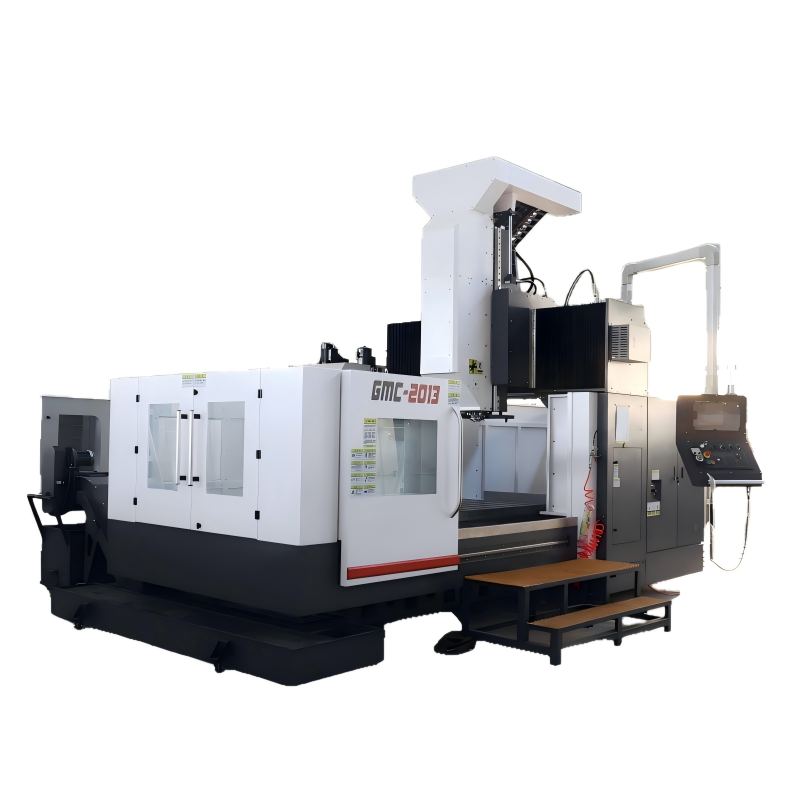
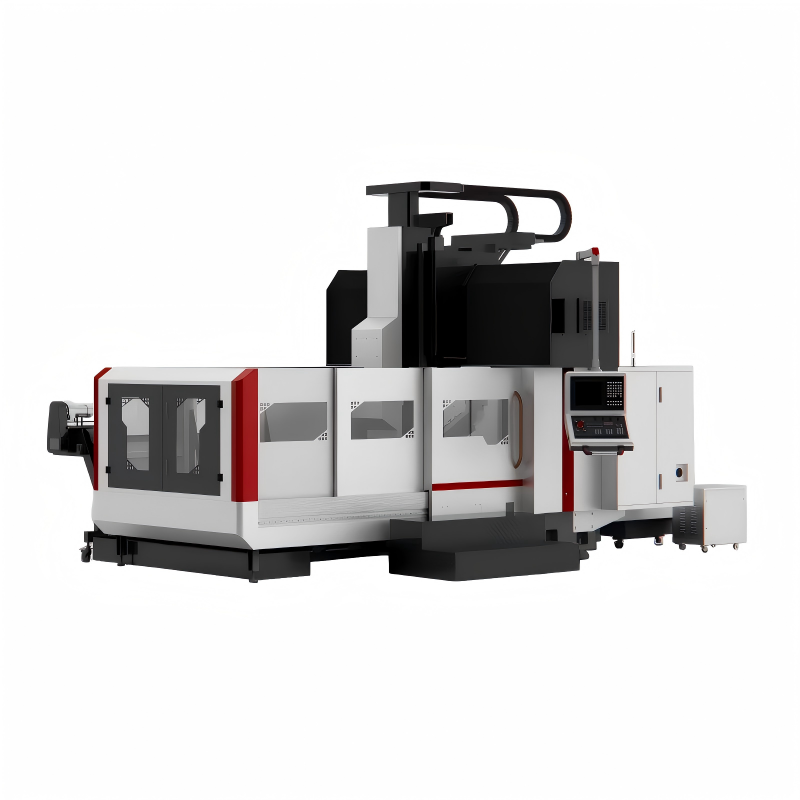
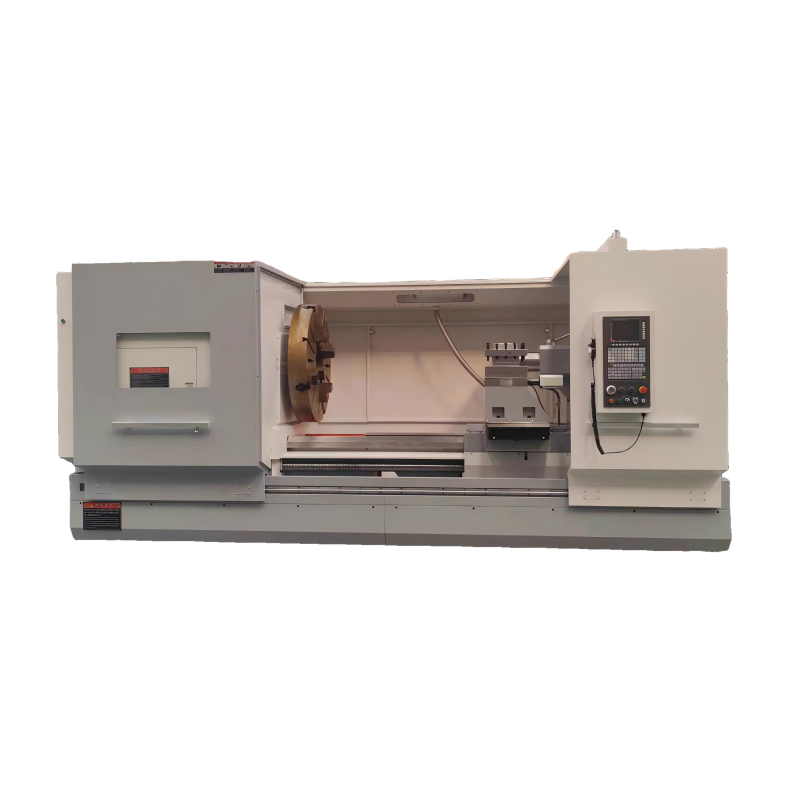
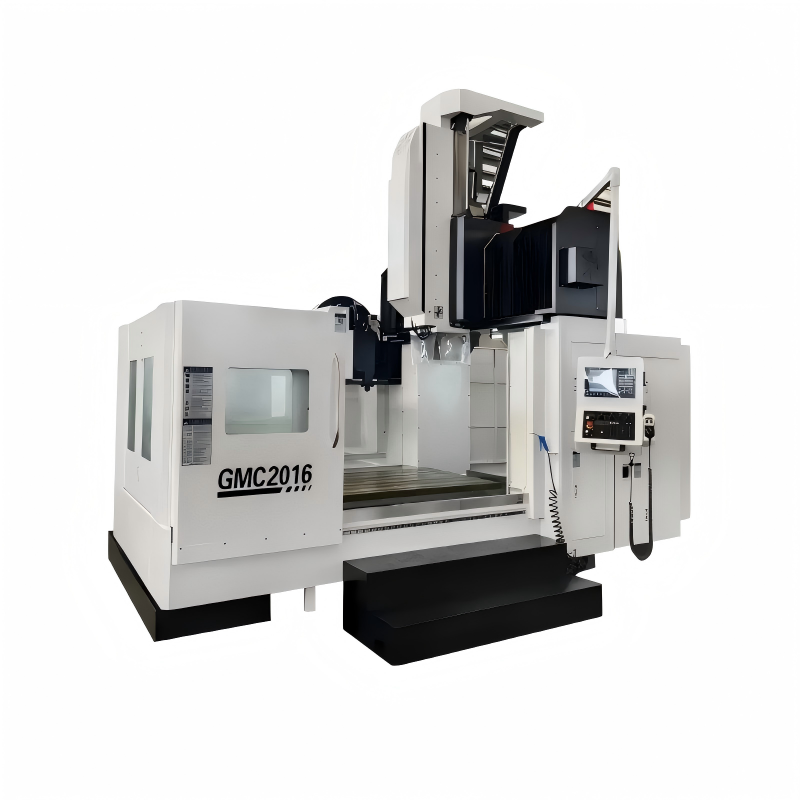
The two-axis CNC (Computer Numerical Control) lathe is a fundamental machine in modern manufacturing, capable of producing highly precise cylindrical parts. It operates on the principle of removing material from a workpiece through controlled movements along two axes: X and Z. The X-axis controls the cross-slide, allowing for radial cuts into the workpiece, while the Z-axis enables longitudinal motion, facilitating operations like facing and turning. This dual-axis control system provides an efficient way to manufacture components with complex geometries, making it indispensable in industries ranging from automotive to aerospace.
One of the key advantages of a two-axis CNC Lathe over its manual counterparts lies in its ability to automate repetitive tasks, thereby increasing productivity and reducing human error. With advancements in technology, these machines have become more user-friendly, incorporating features such as touch-screen interfaces and advanced software that simplify programming and operation. However, to fully leverage the capabilities of a Two-Axis CNC Lathe, selecting the right tools is crucial. Proper tool selection not only enhances the quality of the finished product but also extends the lifespan of the machine and reduces production costs.
When setting up your two-axis CNC lathe, one of the most critical decisions involves choosing the right cutting tools. The type of material you are working with will significantly influence this choice. Different materials—such as steel, aluminum, or plastics—require specific tool geometries and coatings to achieve optimal results. For instance, when machining hard materials like stainless steel, using tools made from carbide can provide better wear resistance compared to high-speed steel (HSS) tools. On the other hand, softer materials may benefit from HSS tools, which offer a good balance between cost and performance.
Furthermore, considering the cutting edge geometry is essential. A sharp cutting edge reduces the force required during the machining process, leading to smoother cuts and improved surface finish. For roughing operations, where the primary goal is material removal, a stronger, more robust tool is preferable. In contrast, finishing operations demand finer tools with smaller nose radii to achieve the desired level of precision and smoothness. Additionally, the use of coated tools, such as those with titanium nitride (TiN) or aluminum titanium nitride (AlTiN) coatings, can further enhance tool life and performance by providing increased hardness and heat resistance.
Beyond just the cutting tool itself, the choice of tool holder and inserts plays a significant role in the overall efficiency and accuracy of a two-axis CNC lathe setup. Tool holders must be rigid enough to withstand the forces generated during machining without deflecting, as any movement can lead to inaccuracies in the final product. High-quality tool holders, often made from hardened steel or other durable materials, ensure stability and reduce vibration, contributing to a better surface finish and longer tool life.
Inserts, which are the replaceable cutting edges used in many CNC lathe applications, come in various shapes and sizes, each designed for specific tasks. Selecting the correct insert involves considering factors such as the workpiece material, the type of cut (e.g., face, OD, or ID), and the desired surface finish. Indexable inserts, which allow for multiple cutting edges, are particularly advantageous as they can be rotated to a new edge once the current one becomes worn, extending the tool's operational life and reducing downtime for tool changes.
Moreover, the use of coolant and lubricants should not be overlooked. Proper application of these fluids can significantly reduce friction and heat generation, protecting both the tool and the workpiece. Coolant systems, whether flood or mist, help maintain consistent temperatures, which is especially important when working with heat-sensitive materials. Lubricants, on the other hand, minimize wear and tear, ensuring that the cutting process remains smooth and efficient.
Effective programming and setup are essential for maximizing the performance of your two-axis CNC lathe. Modern CNC lathes come equipped with advanced control systems that allow for precise and repeatable operations. However, the quality of the output largely depends on how well the program is written and the machine is set up. One of the key aspects of programming is determining the appropriate feed rates and spindle speeds. These parameters need to be carefully selected based on the material being machined, the tool being used, and the desired finish. Too high a feed rate can result in poor surface quality, while too low can lead to inefficient material removal.
Another important consideration is the sequence of operations. Efficiently planning the order in which different cuts are made can minimize the number of tool changes and reduce overall cycle time. For example, grouping similar operations together, such as all facing cuts followed by all turning cuts, can streamline the process and improve productivity. Additionally, utilizing subroutines and macros can help simplify complex programs, making them easier to manage and modify as needed.
Finally, regular maintenance and calibration of the two-axis CNC lathe are crucial for maintaining its accuracy and reliability. This includes checking and adjusting the alignment of the axes, ensuring that the tool holders and spindles are properly secured, and regularly cleaning and lubricating moving parts. By following these best practices, you can ensure that your two-axis CNC lathe operates at peak performance, delivering high-quality parts consistently and efficiently.
In conclusion, the success of your two-axis CNC lathe setup relies heavily on the proper selection and use of cutting tools, tool holders, and inserts, as well as effective programming and maintenance. By understanding the specific requirements of your materials and applications, you can choose the most suitable tools and optimize your setup for maximum efficiency and quality. Regular maintenance and careful programming further ensure that your two-axis CNC lathe continues to deliver exceptional results, making it a valuable asset in your manufacturing process.
 29/06/2026
A Two-Axis CNC Lathe is a sophisticated machine tool that plays a crucial role in the manufacturing industry. This technical report aims to provide an in-depth understanding of the capabilities, applications, and advantages of a Two-Axis CNC Lathe. By exp
Read More29/06/2026Introduction to Big Bore CNC Lathe TechnologyThe advent of Two-Axis CNC Lathe technology has revolutionized the manufacturing sector, particularly in the production of large-scale components. In China, where there is a growing demand for precision and eff
Read More28/06/2026The manufacturing industry has witnessed significant advancements with the introduction of computer numerical control (CNC) machines, which have transformed traditional machining processes. Among these, the Two-Axis CNC Lathe stands out for its versatilit
Read More27/06/2026A Comprehensive Guide to Maintaining Your Two-Axis CNC Lathe is designed to provide a detailed and practical approach to ensuring the longevity and optimal performance of your machine. This guide delves into essential maintenance practices, troubleshootin
Read More26/06/2026Understanding the Basics of Two-Axis CNC LathesThe foundation of maximizing efficiency on a two-axis CNC lathe lies in understanding its fundamental operations and capabilities. A two-axis CNC lathe primarily operates along the X and Z axes, where the X a
Read More26/06/2026In the realm of precision manufacturing, Two-Axis CNC Lathes play a pivotal role in producing high-quality components. The selection of materials is a critical factor that influences not only the efficiency of the machining process but also the final prod
Read More26/06/2026In the realm of modern manufacturing, the integration of advanced machinery plays a pivotal role in enhancing productivity, precision, and efficiency. One such piece of equipment that has revolutionized the production process is the Two-Axis CNC Lathe. Th
Read More25/06/2026The advent of computer numerical control (CNC) technology has revolutionized the manufacturing industry, enabling precise and efficient production processes. Among the various types of CNC machines, the Two-Axis CNC Lathe stands out for its versatility an
Read More25/06/2026A Two-Axis CNC Lathe is an essential piece of equipment for many manufacturing processes, offering precision and efficiency in the production of cylindrical parts. This type of lathe operates on two primary axes - X (horizontal) and Z (vertical), allowing
Read More25/06/2026Understanding the Basics of Two-Axis CNC Lathes The two-axis CNC (Computer Numerical Control) lathe is a versatile machine used in manufacturing for turning and shaping metal or plastic parts. It operates on two axes: X, which controls the horizontal move
Read More24/06/2026Two-Axis CNC Lathes have become an indispensable part of modern machining processes, revolutionizing the way we manufacture parts and components. This report aims to explore the critical role of two-axis CNC lathes in contemporary manufacturing, highlight
Read More24/06/2026In the realm of modern manufacturing, Two-Axis CNC Lathes stand out as powerful tools for precision machining. These machines are not only capable of producing highly accurate parts but also offer a range of features that make them indispensable in variou
Read More24/06/2026A Comprehensive Guide to Maintenance for Two-Axis CNC LathesUnderstanding the Basics of a Two-Axis CNC LatheThe foundation of effective maintenance begins with a thorough understanding of the equipment in question. A two-axis CNC lathe is a precision mach
Read More23/06/2026Understanding the Basics of a Two-Axis CNC LatheIn the realm of modern manufacturing, precision and efficiency are paramount. A Two-Axis CNC Lathe represents a significant advancement in machining technology, enabling manufacturers to achieve higher level
Read More23/06/2026In the realm of precision manufacturing, two-axis CNC lathes play a crucial role in producing high-quality components with tight tolerances. These machines are indispensable for industries ranging from automotive to aerospace, where accuracy and repeatabi
Read More23/06/2026In the rapidly evolving landscape of manufacturing, the adoption of advanced machinery plays a pivotal role in enhancing productivity and efficiency. Among these, the Two-Axis CNC Lathe stands out as a versatile tool that can significantly impact producti
Read More22/06/2026Choosing the right tools for your Two-Axis CNC Lathe is a critical step in ensuring both the efficiency and quality of your machining processes. A well-equipped lathe can significantly enhance productivity, reduce downtime, and produce high-precision part
Read More22/06/2026In the realm of precision machining, Two-Axis CNC Lathes play a pivotal role in transforming raw materials into intricate and accurate components. This report aims to provide an in-depth understanding of the basics of Two-Axis CNC Lathe operations, highli
Read MoreOur professional sales team is always ready to assist you.