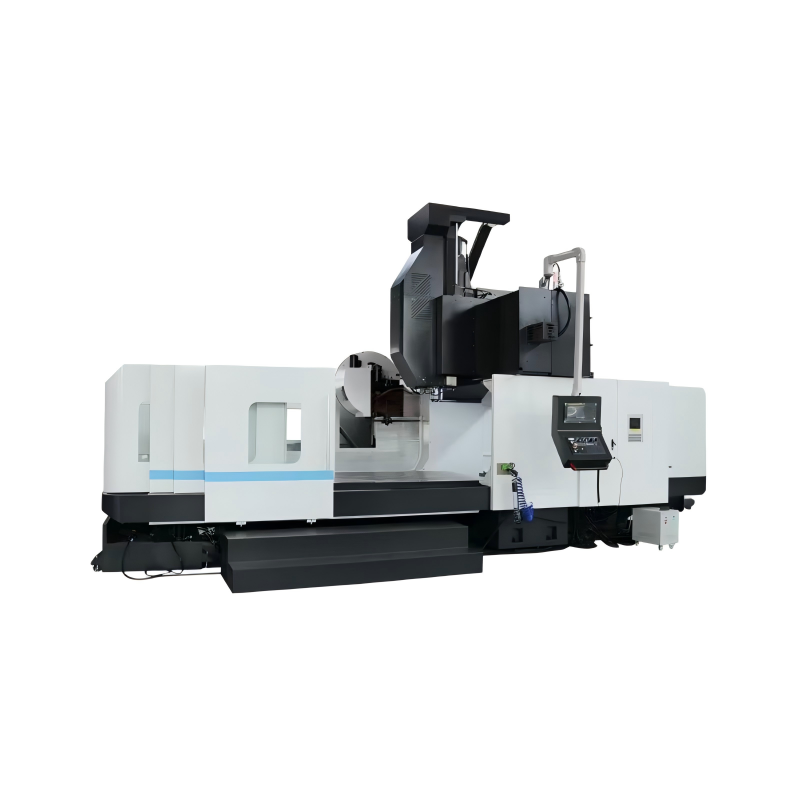
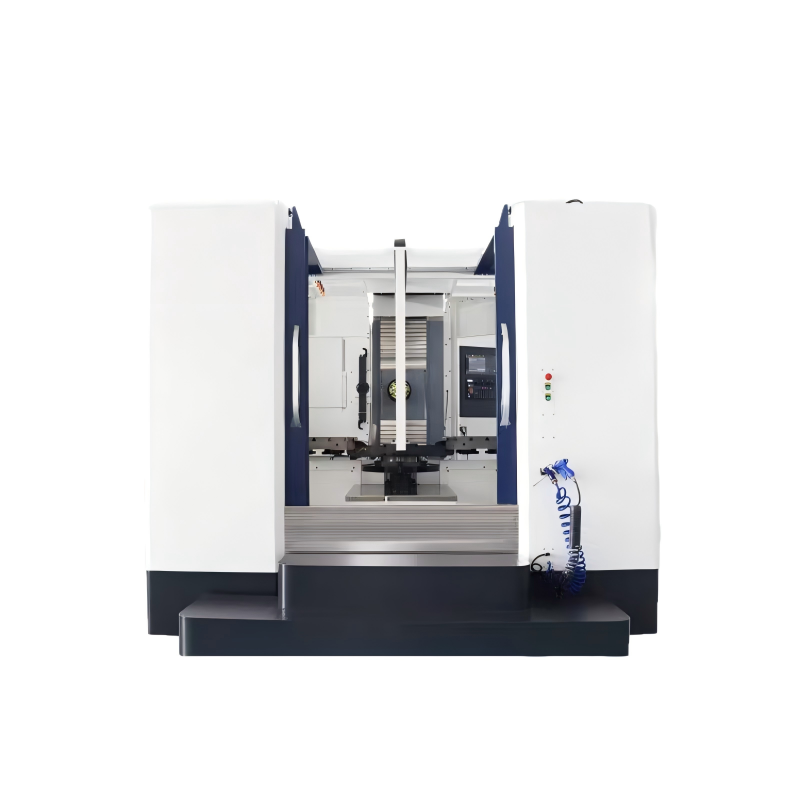
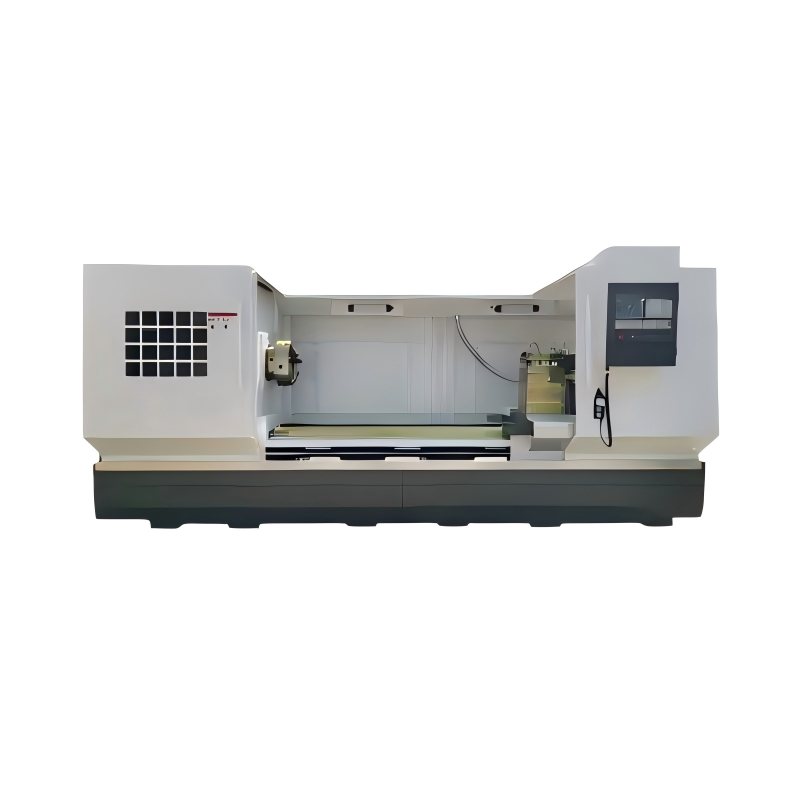
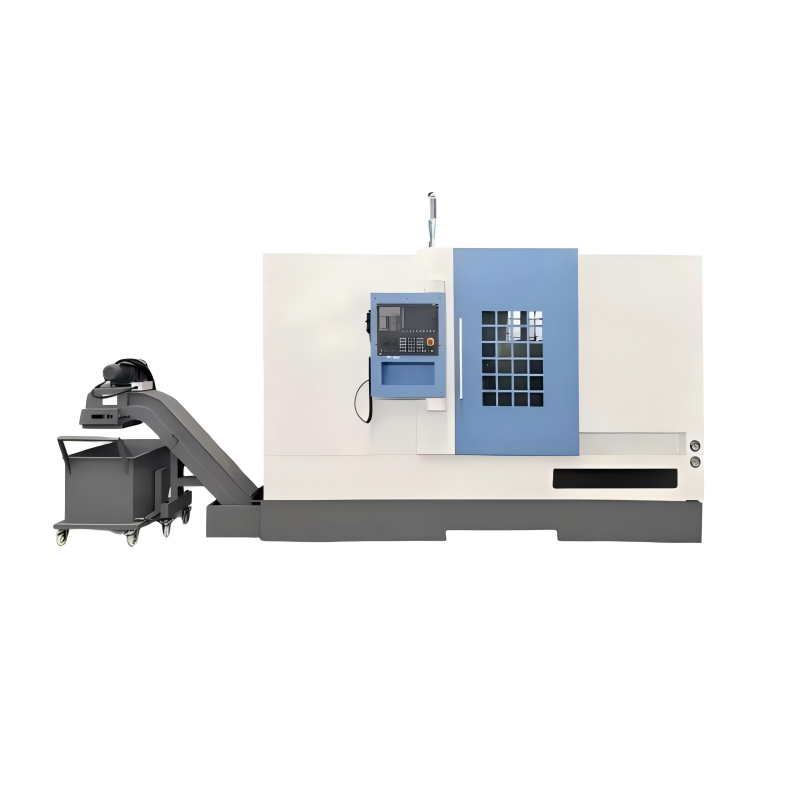
A Two-Axis CNC Lathe is a sophisticated machine tool that plays a crucial role in the manufacturing industry. This technical report aims to provide an in-depth understanding of the capabilities, applications, and advantages of a Two-Axis CNC Lathe. By exploring its features, operational principles, and potential, this document seeks to offer valuable insights for engineers, technicians, and manufacturers.
The fundamental operation of a Two-Axis CNC Lathe revolves around two primary axes: the X-axis and the Z-axis. The X-axis controls the cross-slide movement, which is responsible for the lateral motion of the cutting tool. On the other hand, the Z-axis governs the longitudinal motion, allowing the tool to move along the length of the workpiece. These axes are precisely controlled by a computer numerical control (CNC) system, which interprets the digital design data and translates it into mechanical movements.
The CNC system ensures high precision and repeatability, making the Two-Axis CNC Lathe an ideal choice for producing parts with tight tolerances. The machine's ability to perform complex operations, such as turning, facing, grooving, and threading, makes it versatile and efficient. Additionally, the use of advanced software and programming techniques allows for the creation of intricate and detailed components.
The Two-Axis CNC Lathe finds extensive application in various industries, including automotive, aerospace, medical, and general engineering. In the automotive sector, it is used to manufacture engine components, shafts, and other critical parts. The aerospace industry relies on these lathes to produce high-precision parts for aircraft engines and structural components. In the medical field, they are employed to create surgical instruments and implants, where accuracy and reliability are paramount.
One of the key advantages of a Two-Axis CNC Lathe is its ability to handle a wide range of materials, including metals, plastics, and composites. This versatility makes it suitable for both small-scale production and large-scale manufacturing. Furthermore, the integration of automation and robotics can enhance the efficiency and productivity of these machines, enabling continuous and unattended operation.
The Two-Axis CNC Lathe offers several significant advantages over traditional manual lathes. Firstly, it provides unparalleled precision and consistency, ensuring that each part meets the required specifications. Secondly, the CNC system allows for the rapid prototyping and production of complex geometries, reducing the time and cost associated with manual setup and adjustments. Additionally, the machine's ability to operate continuously without human intervention increases overall productivity and reduces labor costs.
However, there are also some limitations to consider. The initial investment in a Two-Axis CNC Lathe can be substantial, including the cost of the machine itself, as well as the necessary software and training. Additionally, the complexity of the CNC system requires skilled operators and programmers, which may pose a challenge for smaller or less experienced manufacturers. Despite these challenges, the long-term benefits and return on investment make the Two-Axis CNC Lathe a worthwhile investment for many manufacturing operations.
Proper maintenance is essential to ensure the optimal performance and longevity of a Two-Axis CNC Lathe. Regular cleaning and lubrication of moving parts, as well as the replacement of worn-out components, are crucial steps in maintaining the machine's functionality. Additionally, regular calibration and alignment checks are necessary to ensure that the axes remain accurate and consistent.
Troubleshooting common issues, such as tool wear, surface finish problems, and dimensional inaccuracies, requires a thorough understanding of the machine's operation and the underlying causes of these issues. By addressing these problems promptly and effectively, manufacturers can minimize downtime and maintain high levels of productivity. Training and support from the manufacturer or a qualified technician can also be invaluable in resolving more complex issues.
The field of CNC machining is continually evolving, and the Two-Axis CNC Lathe is no exception. One of the emerging trends is the integration of Industry 4.0 technologies, such as the Internet of Things (IoT), artificial intelligence (AI), and machine learning (ML). These technologies enable real-time monitoring, predictive maintenance, and data-driven decision-making, further enhancing the efficiency and reliability of the machines.
Another area of innovation is the development of hybrid machines that combine the capabilities of a Two-Axis CNC Lathe with additional functionalities, such as milling, drilling, and grinding. These multi-functional machines offer even greater versatility and can handle a wider range of operations, making them attractive for manufacturers looking to streamline their production processes.
In conclusion, the Two-Axis CNC Lathe is a powerful and versatile tool that plays a vital role in modern manufacturing. Its precise and efficient operation, combined with its ability to handle a wide range of materials and applications, makes it an indispensable asset for many industries. By understanding its operational principles, applications, and future trends, manufacturers can leverage the full potential of this technology to drive innovation and growth.
 29/06/2026
Introduction to Big Bore CNC Lathe TechnologyThe advent of Two-Axis CNC Lathe technology has revolutionized the manufacturing sector, particularly in the production of large-scale components. In China, where there is a growing demand for precision and eff
Read More29/06/2026Understanding the Basics of a Two-Axis CNC LatheThe two-axis CNC (Computer Numerical Control) lathe is a fundamental machine in modern manufacturing, capable of producing highly precise cylindrical parts. It operates on the principle of removing material
Read More28/06/2026The manufacturing industry has witnessed significant advancements with the introduction of computer numerical control (CNC) machines, which have transformed traditional machining processes. Among these, the Two-Axis CNC Lathe stands out for its versatilit
Read More27/06/2026A Comprehensive Guide to Maintaining Your Two-Axis CNC Lathe is designed to provide a detailed and practical approach to ensuring the longevity and optimal performance of your machine. This guide delves into essential maintenance practices, troubleshootin
Read More26/06/2026Understanding the Basics of Two-Axis CNC LathesThe foundation of maximizing efficiency on a two-axis CNC lathe lies in understanding its fundamental operations and capabilities. A two-axis CNC lathe primarily operates along the X and Z axes, where the X a
Read More26/06/2026In the realm of precision manufacturing, Two-Axis CNC Lathes play a pivotal role in producing high-quality components. The selection of materials is a critical factor that influences not only the efficiency of the machining process but also the final prod
Read More26/06/2026In the realm of modern manufacturing, the integration of advanced machinery plays a pivotal role in enhancing productivity, precision, and efficiency. One such piece of equipment that has revolutionized the production process is the Two-Axis CNC Lathe. Th
Read More25/06/2026The advent of computer numerical control (CNC) technology has revolutionized the manufacturing industry, enabling precise and efficient production processes. Among the various types of CNC machines, the Two-Axis CNC Lathe stands out for its versatility an
Read More25/06/2026A Two-Axis CNC Lathe is an essential piece of equipment for many manufacturing processes, offering precision and efficiency in the production of cylindrical parts. This type of lathe operates on two primary axes - X (horizontal) and Z (vertical), allowing
Read More25/06/2026Understanding the Basics of Two-Axis CNC Lathes The two-axis CNC (Computer Numerical Control) lathe is a versatile machine used in manufacturing for turning and shaping metal or plastic parts. It operates on two axes: X, which controls the horizontal move
Read More24/06/2026Two-Axis CNC Lathes have become an indispensable part of modern machining processes, revolutionizing the way we manufacture parts and components. This report aims to explore the critical role of two-axis CNC lathes in contemporary manufacturing, highlight
Read More24/06/2026In the realm of modern manufacturing, Two-Axis CNC Lathes stand out as powerful tools for precision machining. These machines are not only capable of producing highly accurate parts but also offer a range of features that make them indispensable in variou
Read More24/06/2026A Comprehensive Guide to Maintenance for Two-Axis CNC LathesUnderstanding the Basics of a Two-Axis CNC LatheThe foundation of effective maintenance begins with a thorough understanding of the equipment in question. A two-axis CNC lathe is a precision mach
Read More23/06/2026Understanding the Basics of a Two-Axis CNC LatheIn the realm of modern manufacturing, precision and efficiency are paramount. A Two-Axis CNC Lathe represents a significant advancement in machining technology, enabling manufacturers to achieve higher level
Read More23/06/2026In the realm of precision manufacturing, two-axis CNC lathes play a crucial role in producing high-quality components with tight tolerances. These machines are indispensable for industries ranging from automotive to aerospace, where accuracy and repeatabi
Read More23/06/2026In the rapidly evolving landscape of manufacturing, the adoption of advanced machinery plays a pivotal role in enhancing productivity and efficiency. Among these, the Two-Axis CNC Lathe stands out as a versatile tool that can significantly impact producti
Read More22/06/2026Choosing the right tools for your Two-Axis CNC Lathe is a critical step in ensuring both the efficiency and quality of your machining processes. A well-equipped lathe can significantly enhance productivity, reduce downtime, and produce high-precision part
Read More22/06/2026In the realm of precision machining, Two-Axis CNC Lathes play a pivotal role in transforming raw materials into intricate and accurate components. This report aims to provide an in-depth understanding of the basics of Two-Axis CNC Lathe operations, highli
Read MoreOur professional sales team is always ready to assist you.