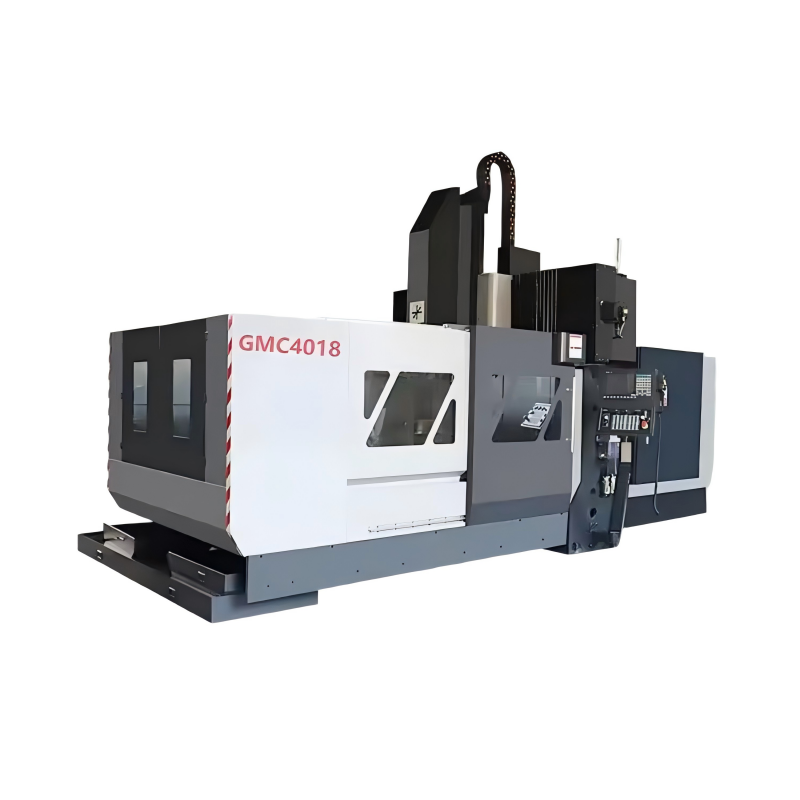
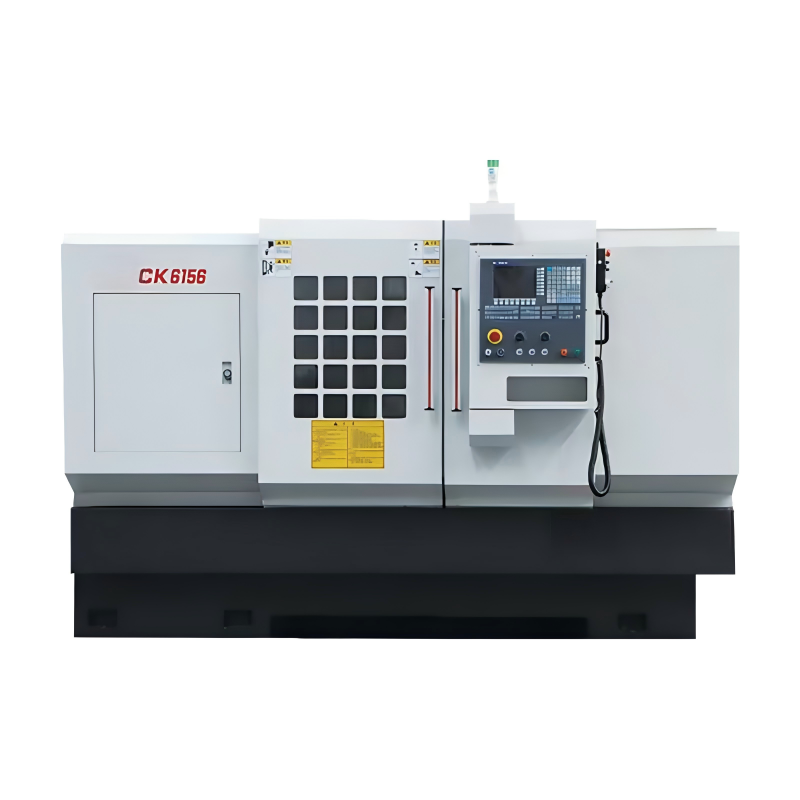
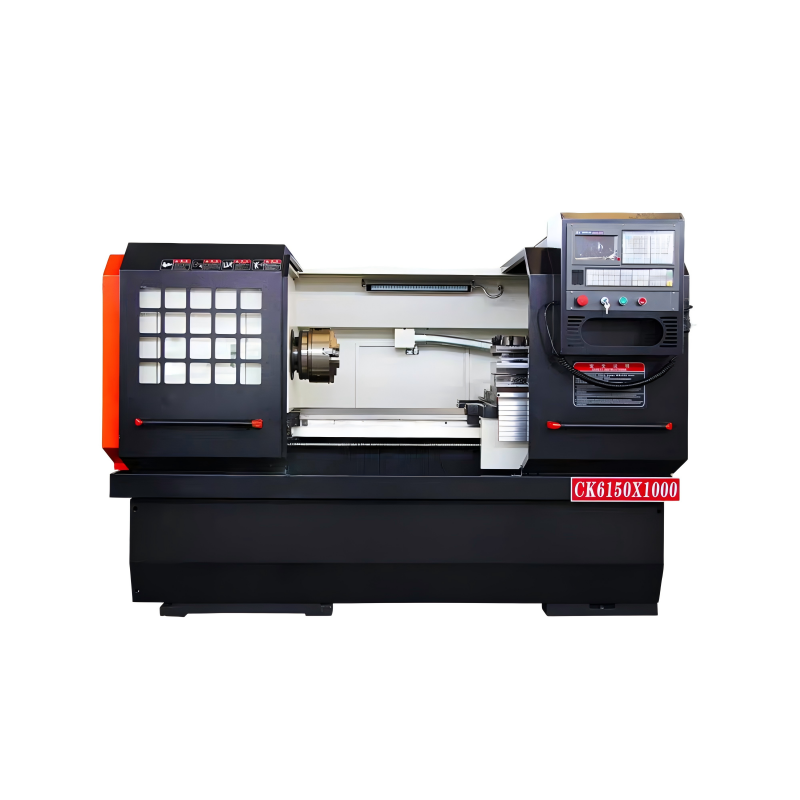
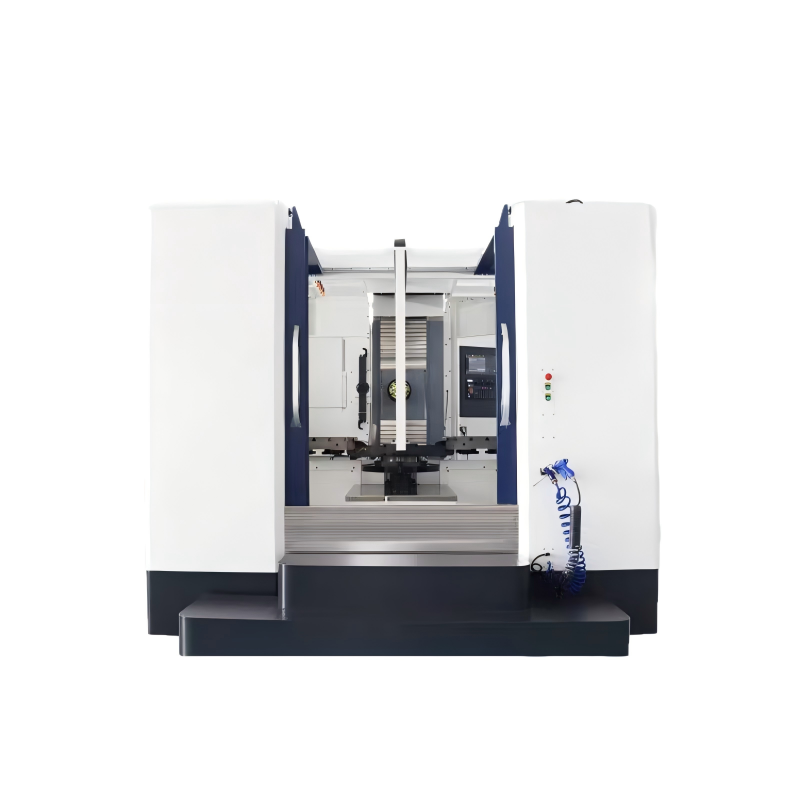
The manufacturing industry has witnessed significant advancements with the introduction of computer numerical control (CNC) machines, which have transformed traditional machining processes. Among these, the Two-Axis CNC Lathe stands out for its versatility and precision in producing complex parts. This report explores the capabilities of a Two-Axis CNC Lathe, highlighting its key advantages and applications.
A Two-Axis CNC Lathe operates on two primary axes: the X-axis and the Z-axis. The X-axis is responsible for controlling the movement of the tool towards or away from the workpiece, while the Z-axis manages the longitudinal motion along the length of the workpiece. This dual-axis system allows for precise cutting, turning, and shaping operations, making it ideal for a wide range of applications. The integration of computer controls ensures that the lathe can execute intricate designs with high accuracy and repeatability. The ability to program specific sequences and parameters enables operators to achieve consistent results, even for highly complex parts.
One of the most significant benefits of using a Two-Axis CNC Lathe is the enhanced precision it offers. Traditional lathes often require manual adjustments and constant monitoring by skilled operators, which can introduce human error and variability. In contrast, a Two-Axis CNC Lathe uses digital programming to control every aspect of the machining process, resulting in higher accuracy and consistency. This precision is particularly valuable when working with materials that require tight tolerances, such as aerospace components, medical devices, and precision engineering parts. Additionally, the automated nature of the CNC lathe reduces the need for frequent tool changes and manual intervention, leading to increased efficiency and productivity. The machine can run continuously, performing multiple operations without interruption, thereby reducing production time and costs.
The Two-Axis CNC Lathe is capable of handling a variety of materials, including metals, plastics, and composites. This flexibility makes it a versatile tool for different industries, each with its unique material requirements. For instance, in the automotive industry, the lathe can be used to produce engine components, while in the medical field, it can create surgical instruments and implants. The ability to work with diverse materials also extends to the complexity of part design. The Two-Axis CNC Lathe can produce intricate geometries, threads, and features that would be challenging or impossible to achieve with manual lathes. This capability is crucial for modern manufacturing, where the demand for customized and specialized parts is increasing. The lathe's adaptability to different materials and designs makes it an indispensable tool for manufacturers looking to stay competitive and innovative.
Modern Two-Axis CNC Lathes are not just standalone machines; they are designed to integrate seamlessly with other advanced technologies, such as Computer-Aided Design (CAD) and Computer-Aided Manufacturing (CAM) software. This integration allows for a more streamlined workflow, from design to production. Engineers can create detailed 3D models in CAD, which are then converted into machine-readable code via CAM. This code is uploaded to the CNC lathe, which executes the instructions with precision. The integration of these technologies also facilitates real-time monitoring and adjustment, ensuring that any issues are detected and corrected promptly. Furthermore, some advanced CNC lathes come equipped with features like automatic tool changers, coolant systems, and in-process inspection tools, which further enhance their functionality and reliability. These additional features make the Two-Axis CNC Lathe a powerful tool for modern manufacturing, capable of meeting the stringent demands of various industries.
While the initial investment in a Two-Axis CNC Lathe may be higher compared to traditional lathes, the long-term benefits often outweigh the costs. The increased precision and efficiency lead to reduced scrap rates and lower rework, which can significantly cut down on material and labor costs. Additionally, the automation provided by the CNC lathe reduces the need for skilled labor, as the machine can perform many tasks autonomously. This can help manufacturers address labor shortages and reduce training costs. The ability to produce complex parts quickly and accurately also opens up new business opportunities, allowing companies to take on more sophisticated projects and expand their customer base. Over time, the cost savings and revenue growth can provide a substantial return on investment, making the Two-Axis CNC Lathe a financially sound choice for many manufacturing operations.
In conclusion, the Two-Axis CNC Lathe is a powerful and versatile tool that offers numerous advantages in modern manufacturing. Its precision, efficiency, flexibility, and integration with advanced technologies make it an essential asset for producing complex parts. By investing in this technology, manufacturers can enhance their capabilities, improve product quality, and stay competitive in a rapidly evolving market.
 29/06/2026
A Two-Axis CNC Lathe is a sophisticated machine tool that plays a crucial role in the manufacturing industry. This technical report aims to provide an in-depth understanding of the capabilities, applications, and advantages of a Two-Axis CNC Lathe. By exp
Read More29/06/2026Introduction to Big Bore CNC Lathe TechnologyThe advent of Two-Axis CNC Lathe technology has revolutionized the manufacturing sector, particularly in the production of large-scale components. In China, where there is a growing demand for precision and eff
Read More29/06/2026Understanding the Basics of a Two-Axis CNC LatheThe two-axis CNC (Computer Numerical Control) lathe is a fundamental machine in modern manufacturing, capable of producing highly precise cylindrical parts. It operates on the principle of removing material
Read More27/06/2026A Comprehensive Guide to Maintaining Your Two-Axis CNC Lathe is designed to provide a detailed and practical approach to ensuring the longevity and optimal performance of your machine. This guide delves into essential maintenance practices, troubleshootin
Read More26/06/2026Understanding the Basics of Two-Axis CNC LathesThe foundation of maximizing efficiency on a two-axis CNC lathe lies in understanding its fundamental operations and capabilities. A two-axis CNC lathe primarily operates along the X and Z axes, where the X a
Read More26/06/2026In the realm of precision manufacturing, Two-Axis CNC Lathes play a pivotal role in producing high-quality components. The selection of materials is a critical factor that influences not only the efficiency of the machining process but also the final prod
Read More26/06/2026In the realm of modern manufacturing, the integration of advanced machinery plays a pivotal role in enhancing productivity, precision, and efficiency. One such piece of equipment that has revolutionized the production process is the Two-Axis CNC Lathe. Th
Read More25/06/2026The advent of computer numerical control (CNC) technology has revolutionized the manufacturing industry, enabling precise and efficient production processes. Among the various types of CNC machines, the Two-Axis CNC Lathe stands out for its versatility an
Read More25/06/2026A Two-Axis CNC Lathe is an essential piece of equipment for many manufacturing processes, offering precision and efficiency in the production of cylindrical parts. This type of lathe operates on two primary axes - X (horizontal) and Z (vertical), allowing
Read More25/06/2026Understanding the Basics of Two-Axis CNC Lathes The two-axis CNC (Computer Numerical Control) lathe is a versatile machine used in manufacturing for turning and shaping metal or plastic parts. It operates on two axes: X, which controls the horizontal move
Read More24/06/2026Two-Axis CNC Lathes have become an indispensable part of modern machining processes, revolutionizing the way we manufacture parts and components. This report aims to explore the critical role of two-axis CNC lathes in contemporary manufacturing, highlight
Read More24/06/2026In the realm of modern manufacturing, Two-Axis CNC Lathes stand out as powerful tools for precision machining. These machines are not only capable of producing highly accurate parts but also offer a range of features that make them indispensable in variou
Read More24/06/2026A Comprehensive Guide to Maintenance for Two-Axis CNC LathesUnderstanding the Basics of a Two-Axis CNC LatheThe foundation of effective maintenance begins with a thorough understanding of the equipment in question. A two-axis CNC lathe is a precision mach
Read More23/06/2026Understanding the Basics of a Two-Axis CNC LatheIn the realm of modern manufacturing, precision and efficiency are paramount. A Two-Axis CNC Lathe represents a significant advancement in machining technology, enabling manufacturers to achieve higher level
Read More23/06/2026In the realm of precision manufacturing, two-axis CNC lathes play a crucial role in producing high-quality components with tight tolerances. These machines are indispensable for industries ranging from automotive to aerospace, where accuracy and repeatabi
Read More23/06/2026In the rapidly evolving landscape of manufacturing, the adoption of advanced machinery plays a pivotal role in enhancing productivity and efficiency. Among these, the Two-Axis CNC Lathe stands out as a versatile tool that can significantly impact producti
Read More22/06/2026Choosing the right tools for your Two-Axis CNC Lathe is a critical step in ensuring both the efficiency and quality of your machining processes. A well-equipped lathe can significantly enhance productivity, reduce downtime, and produce high-precision part
Read More22/06/2026In the realm of precision machining, Two-Axis CNC Lathes play a pivotal role in transforming raw materials into intricate and accurate components. This report aims to provide an in-depth understanding of the basics of Two-Axis CNC Lathe operations, highli
Read MoreOur professional sales team is always ready to assist you.